
The 5 Most Durable Truck Engines Ever: Cummins, Ford Power Stroke, and Toyota 5.7L V8
by AutoExpert | 17 November, 2025
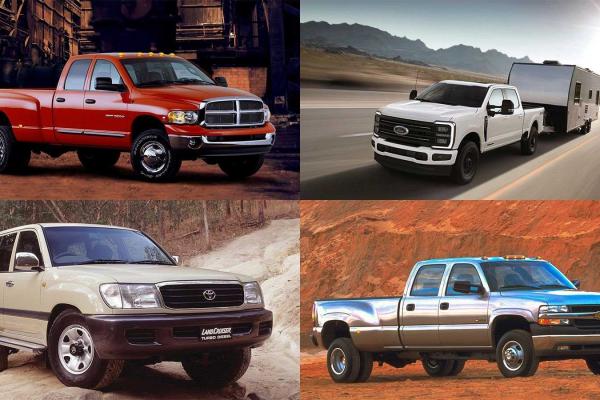
Ask any truck owner which engines actually last and you'll get some strong opinions. Frame doesn't matter, interior doesn't matter—if the motor dies at 150k, that's it. But there's a few out there that hit 300k like it's no big deal and just keep running.
Not talking about the high-tech ones or the ones making crazy horsepower. These are the engines that got abused on farms for 20 years, pulled trailers forever, and kept going even when oil changes got... forgotten. Some made insane torque. Others just wouldn't die.
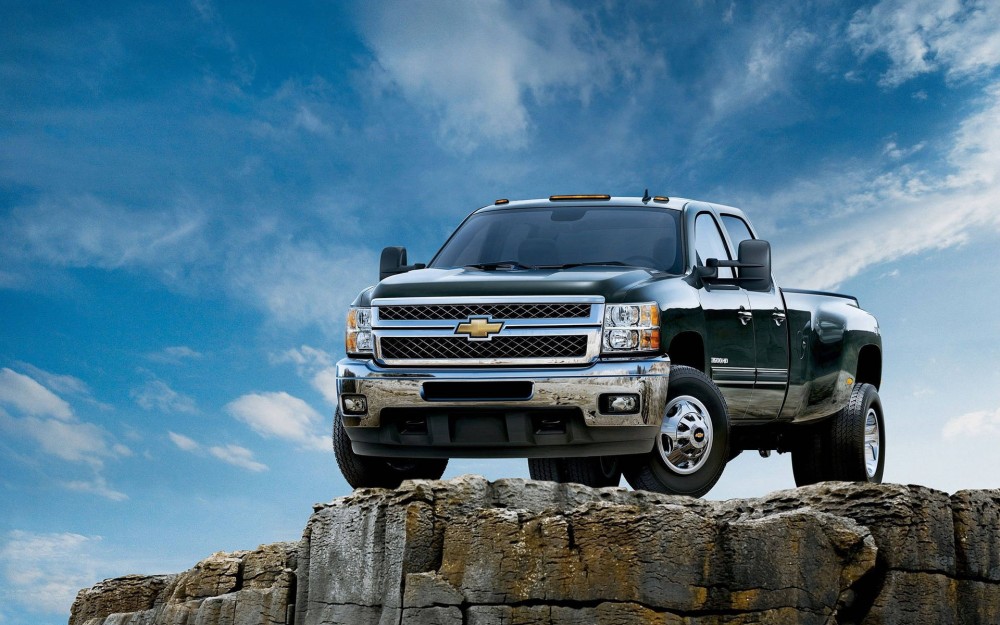
Here's five that proved themselves by outlasting everything else.
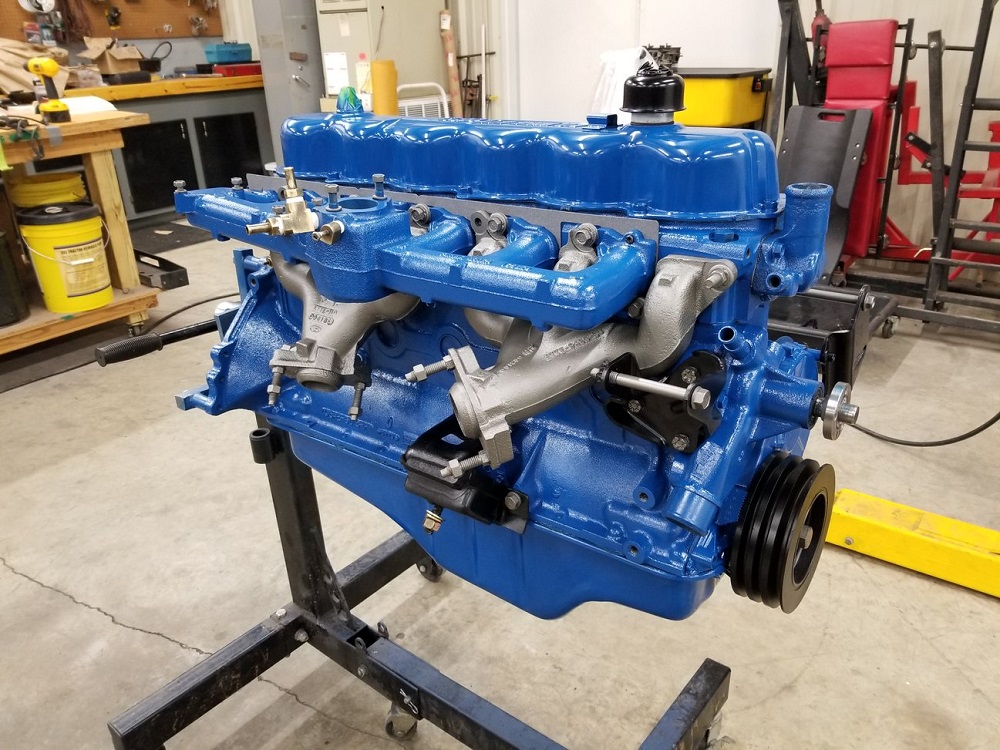
Ford 300 Straight-Six
Way before diesel became the go-to, Ford had this straight-six that you literally couldn't kill. Thing ran from 1965 to 1996. Over 30 years, same engine. Ford threw it in F-series trucks, tractors, generators, airport tugs, whatever.
Made maybe 100 to 150 horsepower depending on the year. Torque was around 220-260 lb-ft, but it hit at like 2,000 rpm which made it perfect for actual work. Won Baja races too, which is nuts for basically a farm motor.
Everything was cast iron. Block, head, forged crank, seven main bearings. Super simple—cam in the block, pushrods, nothing complicated. Added fuel injection in '87 and it got even better. People hit 300k without ever cracking them open. Even neglected ones usually made it past 100k.
GM 6.6-Liter Duramax LBZ
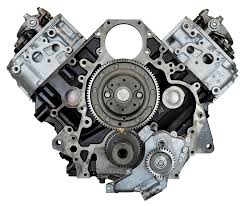
Only stuck around for '06 and '07, but man this thing was good. GM's heavy-duty diesel, fixed everything people complained about with the earlier version. Cast iron block, aluminum heads, built solid.
Made 360 hp and 650 lb-ft, way more than before. GM upgraded the fuel system, beefed up the connecting rods, improved airflow. Ran cooler, no injector headaches.
Pair it with an Allison six-speed or the ZF manual and you've got something serious. Emissions setup caused some soot issues, occasionally you'd get wear on some aluminum parts or the water pump, but keep up with maintenance and don't tune it into oblivion and it'll run forever.
Toyota 5.7-Liter V8
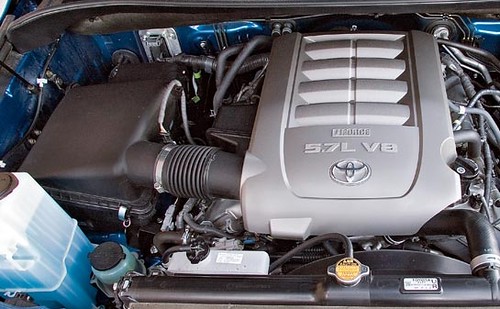
Doesn't get the hype diesels do, but Toyota's 5.7 has been powering Tundras since 2007 pretty quietly. Aluminum block, dual overhead cams, variable valve timing. Makes 381 hp and 401 lb-ft. Enough to tow 10,000 pounds no problem.
Toyota over-built this thing. Forged internals, good cooling, tuned for longevity over peak power. People see 300k all the time. One guy got a million miles out of his '07 doing regular maintenance.
Early ones had some air pump stuff and occasional cam tower leaks around 100k, but they sorted it. Still going after 14 years. No turbo, no hybrid stuff, just a V8 that works.
Ford 7.3-Liter Power Stroke
This is what made Ford's diesel reputation. Navistar built about two million from '94 to the early 2000s. Started at 215 hp with 425 lb-ft, eventually 225 hp and 450 lb-ft. Could tow almost 14,000 pounds.
Built like a tank. Gray cast iron block, forged steel everything, HEUI injection that was part hydraulic, part electronic. Old-school tough with enough modern tech to work well. People hit 400k to 500k on stock motors regularly. Injectors could go 200k before needing work.
Cam sensors died sometimes, you'd get rust or turbo pipe leaks, but compared to how long these ran that's minor. Ford still makes remanufactured 7.3s with a two-year unlimited-mile warranty. That tells you everything.
Cummins 5.9-Liter 12-Valve
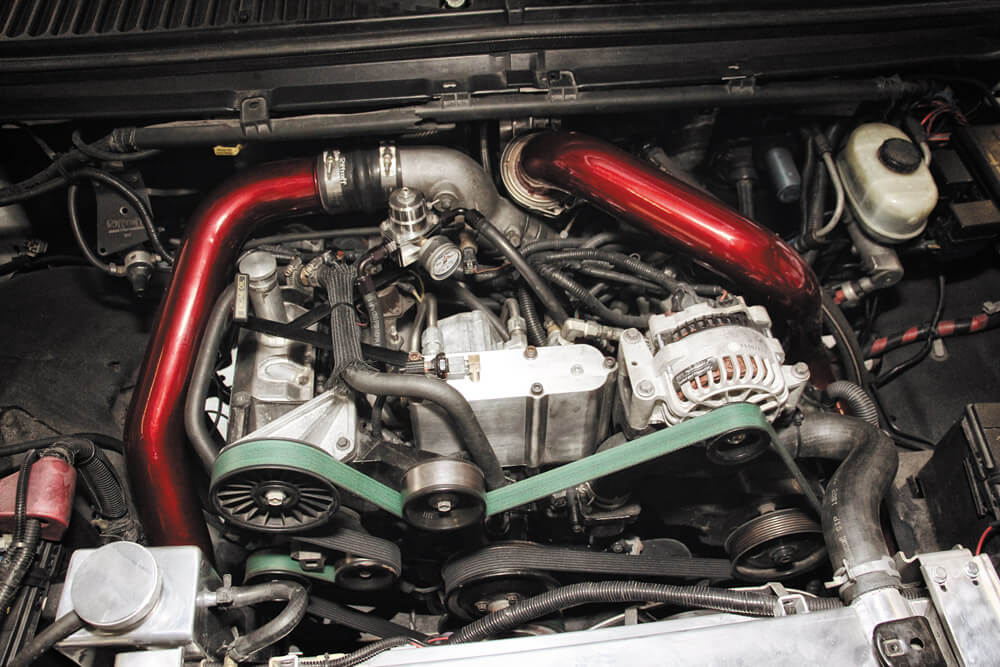
This is it. Every other diesel gets compared to the 5.9 12-valve. Cummins made it for tractors and excavators in the mid-'80s. Dodge stuck it in the Ram in '89 and changed everything. Seven main bearings, forged everything, cast iron block—overbuilt from the start. Early ones made around 160 hp but the torque was there and it was simple to work on.
'94 is when it got crazy. Added the Bosch P-pump, power jumped to 215 hp with 440 lb-ft. More importantly you could mod it easily. Bigger injectors, better turbo, suddenly making 300+ hp without hurting reliability. Cummins designed it like commercial equipment, not something for regular consumers.
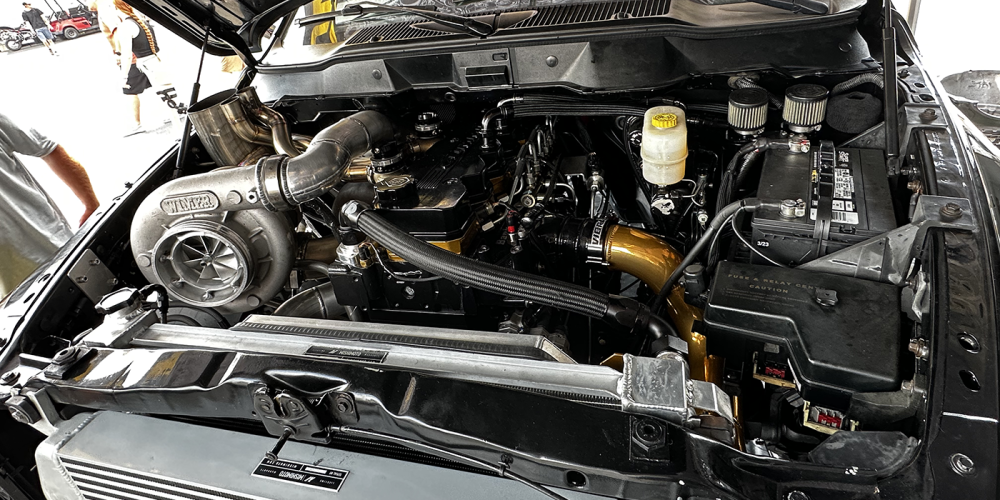
Clean fuel and regular oil changes and these hit 500k to 700k. Some went over a million. Purely mechanical meant less to break. Even after the 24-valve replaced it in '98, the 12-valve is still what people want. Cummins guys don't shut up about it for good reason.