The $10 EV Battery: Why Automakers Still Won't Build Cheap Cars
by AutoExpert | 30 May, 2025
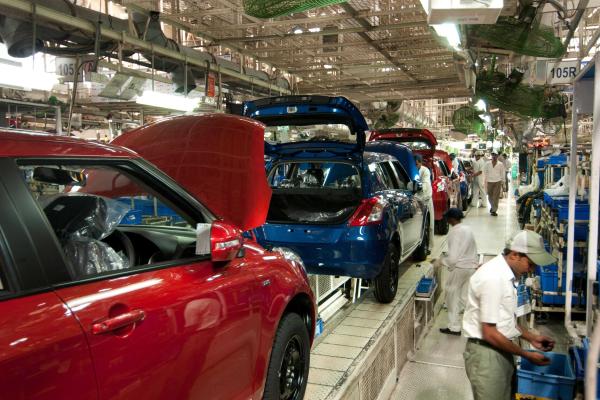
There's a massive disconnect happening in the auto world right now. Everyone wants affordable cars, especially electric ones, but automakers would rather do anything else than build them. The math is brutal - companies make good money on trucks and big SUVs, break even on mid-size crossovers, and lose their shirts on small cars.
The Battery Breakthrough That Changes Nothing
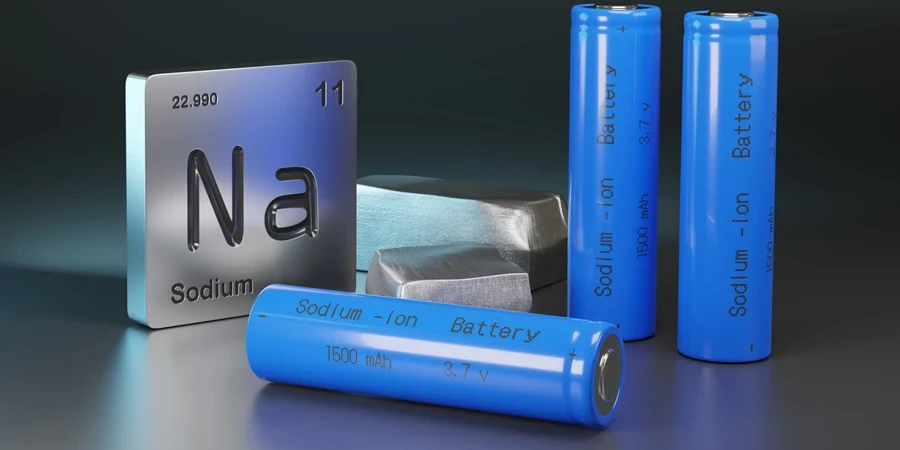
A new development from China might seem like it could solve everything. CATL, the battery giant, has cracked the code on sodium-ion batteries that cost just $10 per kilowatt hour. Compare that to lithium iron phosphate batteries at $75 per kWh, and it looks like a game-changer for cheap EVs.

Since batteries are the most expensive part of any electric car, this sodium chemistry could theoretically slash prices. Plus, sodium is way more stable than lithium, eliminating supply chain headaches. Sounds perfect, right?
The Reality Check
Here's the problem: automakers aren't exactly jumping for joy about ultra-cheap EVs. The U.S. electric car market isn't growing as fast as everyone hoped, and pretty much every company except Tesla is bleeding money on EVs. Chasing low-margin sales when you're already losing money doesn't make much business sense.
Even worse, if a company can't make money on a $25,000 EV with expensive lithium batteries, dropping the price to $20,000 with cheaper sodium batteries doesn't magically fix the profit problem. Everyone in the chain - manufacturers, dealers, lenders - still loses money.
The Luxury Pivot
That's why the industry has shifted hard toward expensive vehicles. High interest rates mean only wealthier buyers are shopping for new cars anyway, and they want luxury features and premium experiences. Fat profit margins on $50,000+ vehicles suddenly make a lot more sense than trying to squeeze pennies from budget cars.
Companies like Toyota still move tons of Corollas and RAV4s, but most manufacturers have given up on committing to truly affordable options. The financial incentives just aren't there, especially in an uncertain economic climate.
No Relief in Sight
Don't expect this to change anytime soon. As long as the Federal Reserve is navigating economic uncertainty and interest rates stay high, the focus will remain on profitable luxury vehicles rather than the affordable transportation people actually need. Every promising report about Chinese cost-cutting innovations sounds exciting, but the fundamental business realities haven't shifted.
The cruel irony? The technology to build cheap, reliable EVs is getting better and cheaper every day. The willingness to actually build them? That's a different story entirely.