Supercharger Revival in Modern Cars: Efficiency and Innovation
by AutoExpert | 21 February, 2025
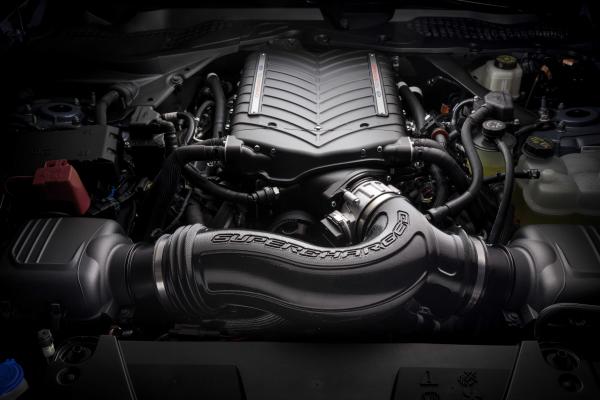
There's а fresh buzz in the аir about superchargers mаking a big comeback, thаnks to electrification and advanced trаnsmissions. While turbocharging hаs become the dominant force in the automotive world, embraced by manufacturers for its efficiency and ability to downsize engines, the once-beloved supercharger seemed to be fading into obscurity.
But don't count it out just yet—there's a revival on the horizon.
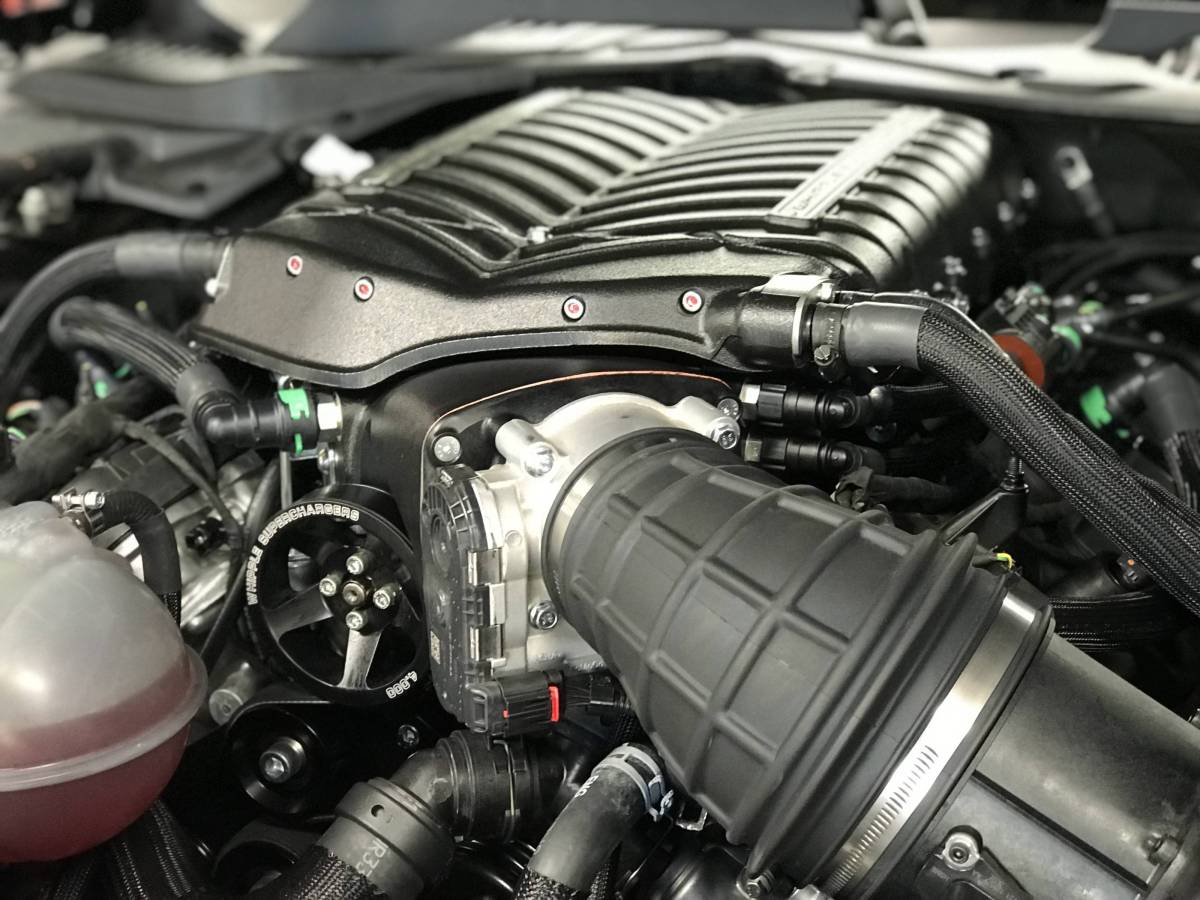
The main challenge with superchargers has always been their need for power to operate. Unlike turbochargers, which harness the energy from exhaust gases, superchargers traditionally draw power directly from the engine via the crankshaft. This setup can reduce overall engine efficiency despite boosting power. The goal now is to enhance the base efficiency of superchargers and make the most of the power they draw.
It's tough times for fans of the classic roots-type supercharger, those old-school lobe-type air pumps that have roots going back to ventilating mineshafts in the 1800s. They might be losing ground to more modern tech, but they’re not out of the game yet, especially with potential applications like metering airflow in hydrogen fuel cells.
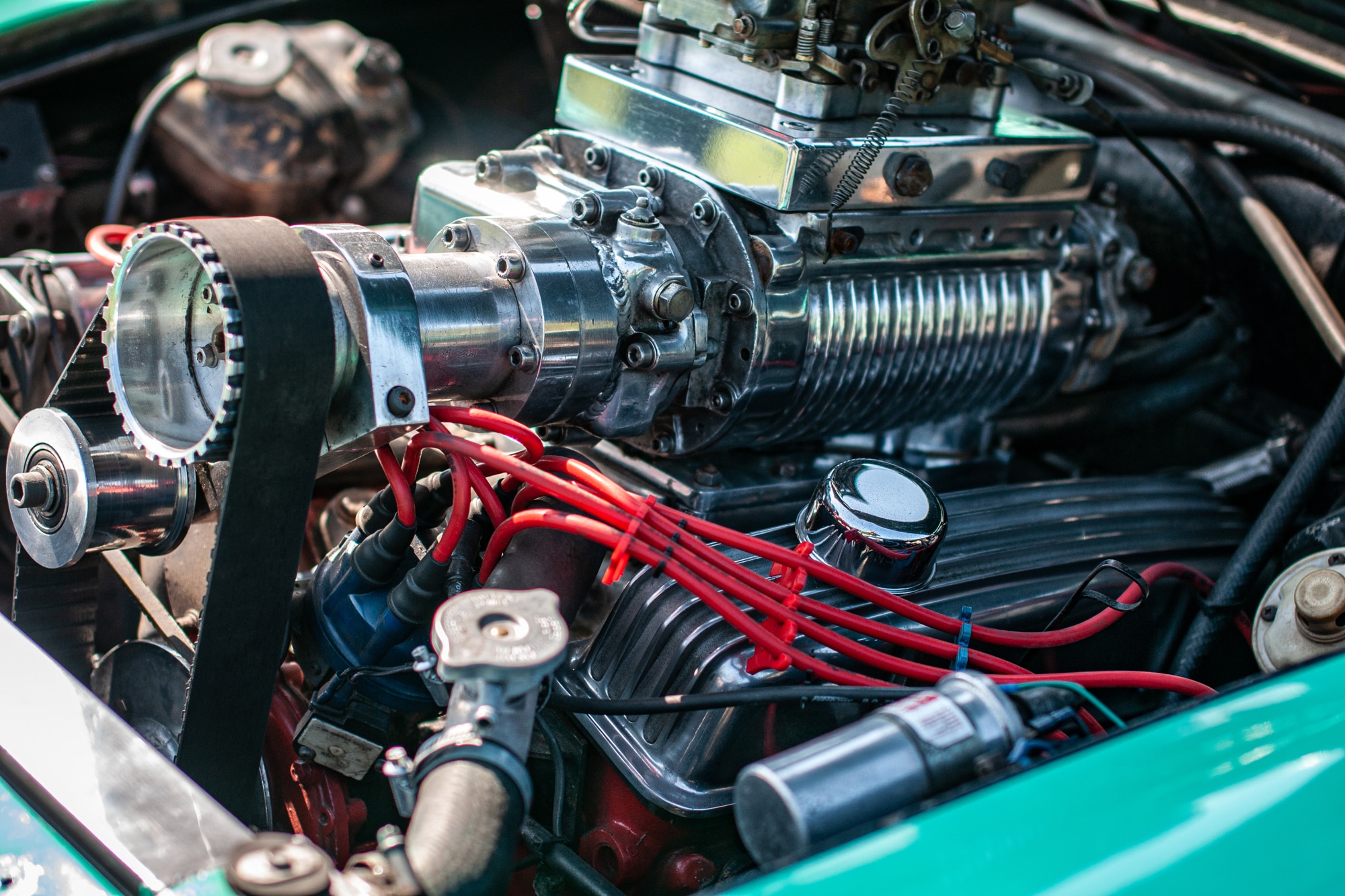
But here's where it gets interesting. As the entire system around superchargers evolves, new opportunities arise for using less flexible but more efficient types of superchargers, like the centrifugal blowers.
Centrifugal superchargers have been around the block—literally and figuratively—but their use has been mostly confined to motorsports due to their peaky nature. However, they’re incredibly efficient within their optimal operation range. The trick is keeping them there, and that’s where modern transmission technology comes in. Pairing a supercharged engine with a multi-speed transmission, particularly those newfangled eight-, nine-, or ten-speed automatics, helps maintain engines in their most efficient state. This setup reduces the peakiness and keeps centrifugals humming along nicely.
And don’t forget about continuously variable transmissions (CVTs), although they’re a whole other story.
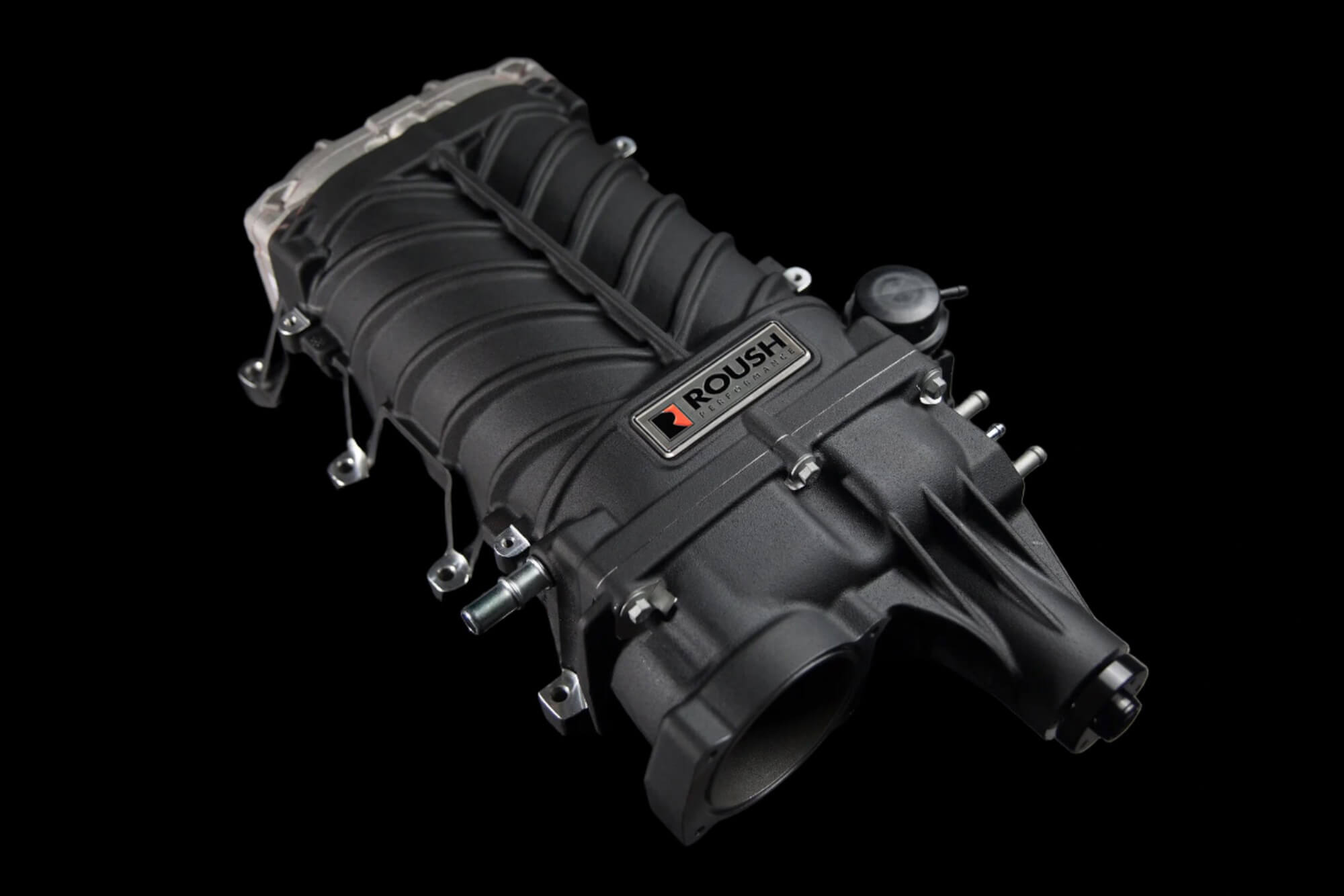
Historically, some pretty interesting setups involved transmissions linked directly to superchargers, especially in WWII aircraft. As planes ascended and the air thinned, these superchargers needed to spin faster to maintain power, facilitated by specially designed transmissions. While not practical for today's cars, this ingenuity paved the way for another exciting development: electric superchargers.
Electric superchargers, especially those in centrifugal form, leverage their efficiency advantage and offer tremendous flexibility. They don’t rely on a traditional drive system, opening up innovative ways to power them. Imagine using electricity from hybrid systems that capture energy during braking, or even drag racers using a separate battery pack that recharges between races.
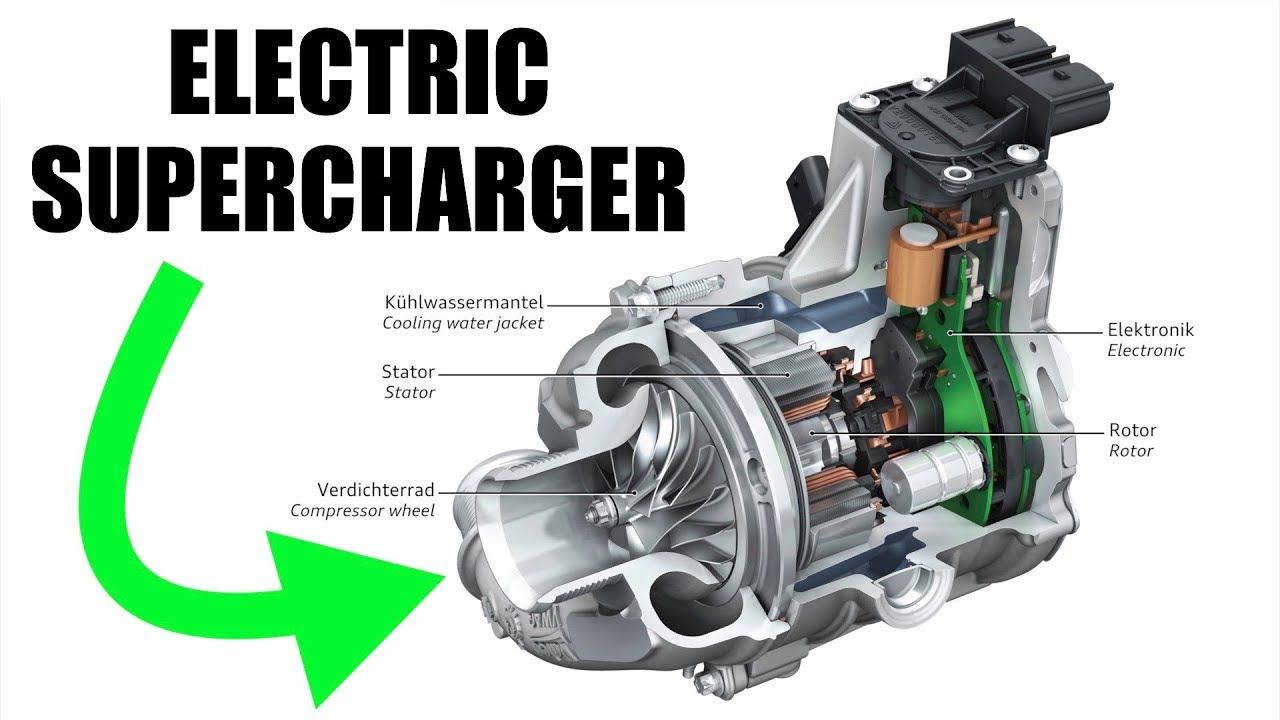
As the electric vehicle market expands, so does the expertise in electric propulsion, which is pretty handy when developing electric superchargers. And with a push towards modularity in car manufacturing, systems that can adapt across different engines could become a game-changer.
Despite the potential cost hurdles—electric superchargers need their own robust motors and cooling systems—the advantages could be worth it. Whether traditional centrifugals will reclaim their crown from turbos remains to be seen, but one thing's for sure: the supercharger story isn’t over yet.
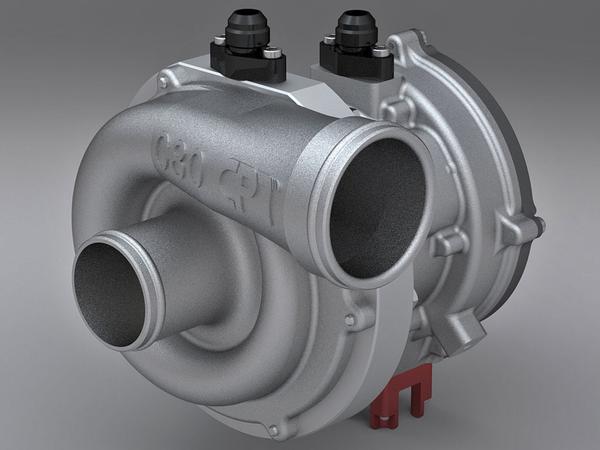
And for those who miss the distinct sounds of supercharged engines, this could be music to your ears.