
Solar Cars: Things Worth Knowing About These Sun-Powered Vehicles
by AutoExpert | 17 July, 2025
The Basics
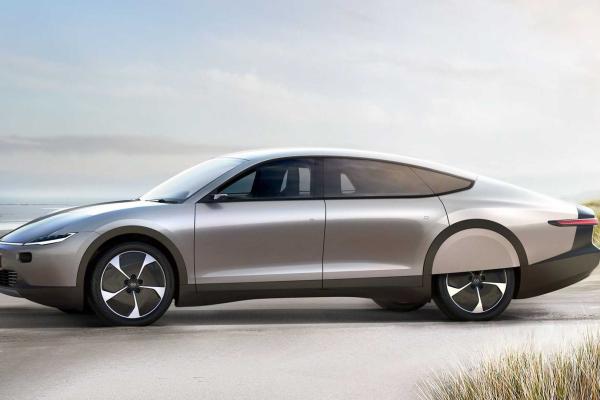
These cars convert sunlight directly into electricity, which is pretty cool when you think about it. And here's the thing – they can actually drive at night too, since the batteries store up solar energy during the day. Not exactly practical for most people yet, but the technology is getting there.

Racing History
The whole solar car thing really kicked off in 1983 when two brothers, Hans Tholstrup and Larry Perkins, drove something called the "Quiet Achiever" from Perth to Sydney. They managed about 20 km/h, which sounds painfully slow but was pretty groundbreaking at the time.

These days, solar cars are way faster. The current speed record holder is the Sunswift IV, which hit 88.738 km/h back in 2011. A team from the University of New South Wales built it, and Barton Mawer was behind the wheel.
.jpg)
Real-World Applications
Most solar cars are still built just for racing, but some companies are starting to experiment with the tech. Toyota already stuck solar panels on the Prius to help power some of its systems. It's not running purely on solar power, but it's a start.
The design process borrows heavily from aerospace, bicycle, and alternative energy industries. Everything has to be super lightweight and efficient because there's only so much energy coming from the sun.

The Upside
The benefits are pretty obvious – they're environmentally friendly, the sun is free, and there's basically no maintenance except replacing the battery eventually. But they're still limited by how much energy they can actually capture.
Racing Scene
Solar car racing is surprisingly popular. Switzerland hosted the first official race, Tour de Sol, back in 1985. Now there are races all over the world:
The World Solar Challenge covers 3000 km across Australia from Darwin to Adelaide. The North American Solar Challenge is a 1200-1800 mile rally that draws teams from everywhere. South Africa started their own 4100 km race in 2008, and they allow hybrids and electric cars too.

There's even a race just for high school students in America, sponsored by Dell and Hunt Oil Company. The idea is to get kids interested in engineering and alternative energy, which is pretty smart.
Solar cars are still more novelty than necessity, but the technology keeps improving. Who knows – maybe in a few years they'll actually be practical for everyday driving.