Secret Weapon: How Catesby Tunnel - a 150-Year-Old Tunnel Builds the Fastest EVs
by AutoExpert | 29 May, 2025
Building the world's fastest electric car requires more than just computer models and wind tunnel tests. Sometimes the best testing facility is a 150-year-old railway tunnel that's been sitting empty for decades.
From Railway to Race Lab
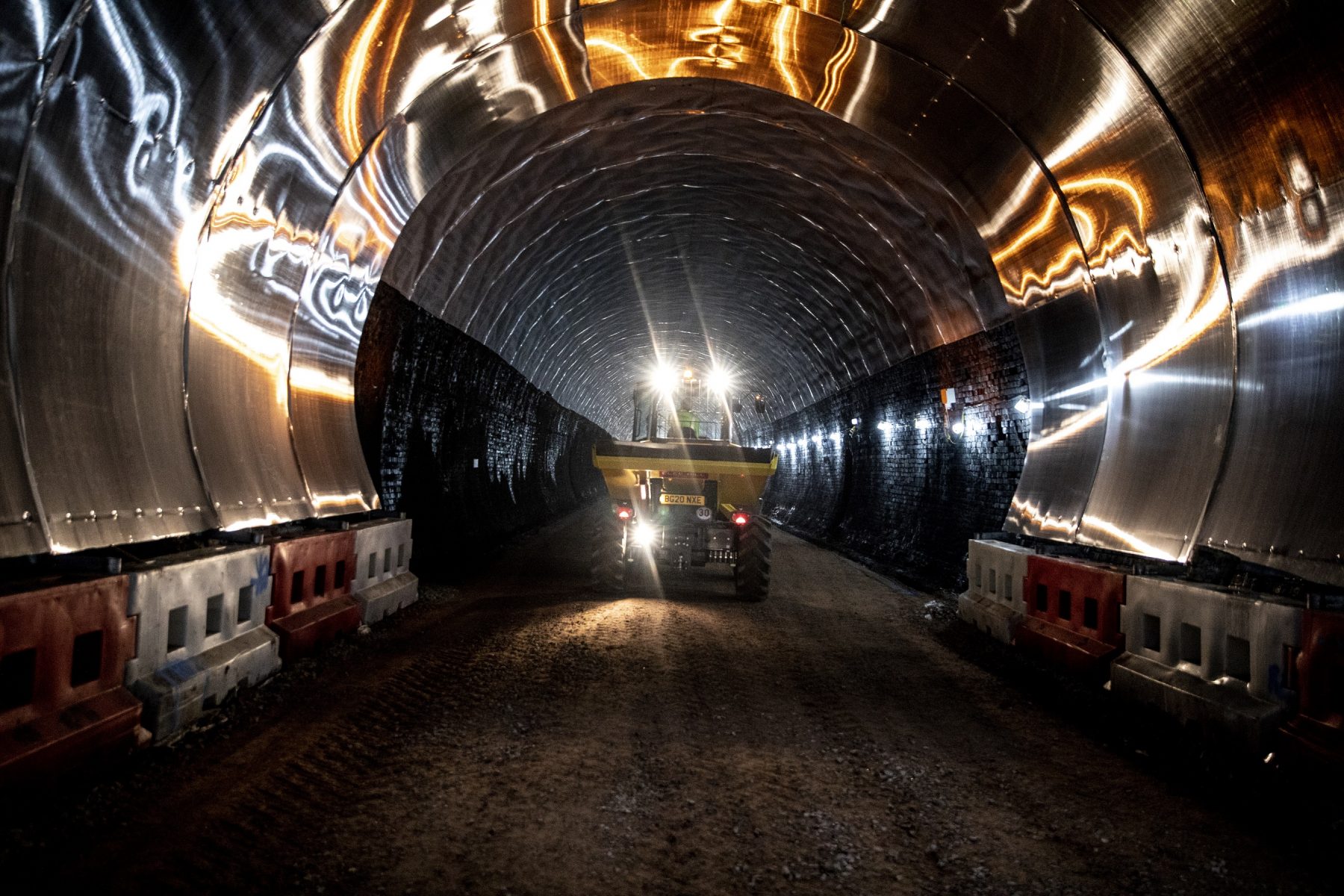
The Catesby Tunnel in Northamptonshire, England once carried trains between Sheffield and London for nearly 70 years before closing in 1966. Today, this 1.6-mile underground passage serves as the perfect testing ground for McMurtry's record-breaking Spéirling electric supercar.
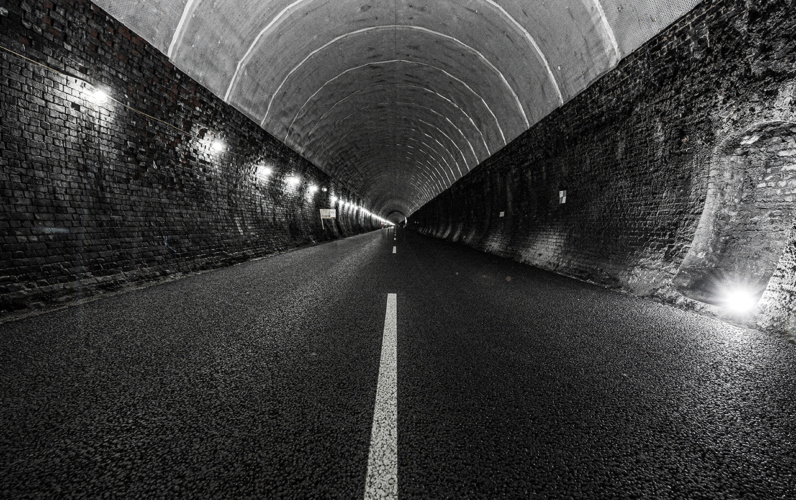
Since 2017, the Victorian-era tunnel has found new purpose as an aerodynamic testing facility that offers something no traditional test track can match: complete isolation from weather variables.
Why Underground Works Better
Computer simulations and wind tunnels can only tell engineers so much about how a car will actually perform. Real-world testing reveals the gaps between theory and practice, but outdoor tracks come with complications like wind, rain, and changing conditions that skew results.
The Catesby Tunnel eliminates these variables entirely. Engineers can run the McMurtry Spéirling repeatedly through the same controlled environment, collecting precise data about airflow, surface pressures, and ride height without worrying about a sudden gust throwing off their measurements.
It's similar to how Formula 1 teams use flow-vis paint and aero rakes during testing, but with far fewer variables to account for.
Creative Problem Solving
Testing underground does create some unique challenges. GPS signals can't penetrate the tunnel, so traditional speed measurement methods don't work. Instead, the team analyzes onboard camera footage focused on the wheels, calculating wheel speed from the video to determine the car's actual velocity.
The process might seem old-school, but it works. The tunnel allows McMurtry to validate their computer models against real-world performance, ensuring their aerodynamic predictions actually translate to the track.

Fast and Underground
The footage of the Spéirling blasting through the tunnel at 160 mph in complete darkness looks like something from a sci-fi movie. The smooth ceiling surface even raises interesting possibilities - could this be where manufacturers finally test those bold claims about cars generating enough downforce to drive upside down?
For now, the Catesby Tunnel proves that sometimes the best high-tech testing requires decidedly low-tech solutions. A Victorian railway tunnel might not seem like cutting-edge automotive development, but it's helping create the fastest-accelerating electric vehicles on the planet.

The combination of historical infrastructure and modern engineering shows how creative thinking can solve complex problems. When you need perfect testing conditions, sometimes the answer isn't building something new - it's finding something old that already does the job perfectly.