

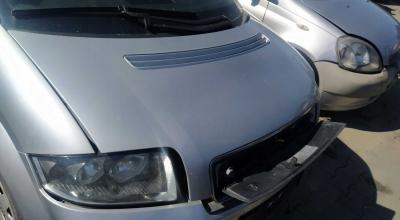
The original Audi A2’s front service flap provided access to its oil dipstick and the filling points for engine oil and washer fluid. More extensive engine access involved removing the bonnet. O

Open the boot of most small cars from the 1960s and you would expect shopping, a spare wheel or perhaps a toolbox. In a Citroën 2CV Sahara, the engine would be taking up much of that space. The o
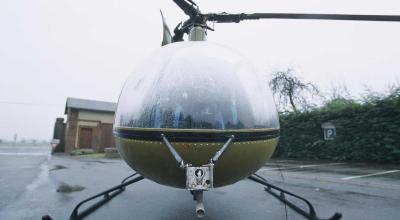
Among the cars in Citroën’s heritage collection sits something that makes even the company’s stranger experiments look quite sensible: a helicopter. Two seats, a bubble-like cabin and
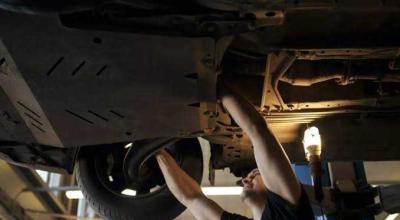
An engine splash shield can make a ridiculous amount of noise for a piece of plastic. One corner slips out of its clips, drops a few inches, and begins scraping the road. You hear it over the radio. Y

A remarkably low odometer reading has a way of making every other detail fade into the background. The paint may be dull, the tires may look suspiciously old and the service book may contain a de
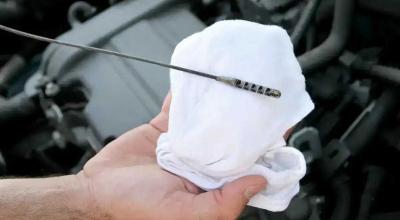
An engine can be low on oil and sound perfectly content. It may start normally, idle without complaint and carry the car through the morning commute. The driver sees no smoke, hears no knocking and re
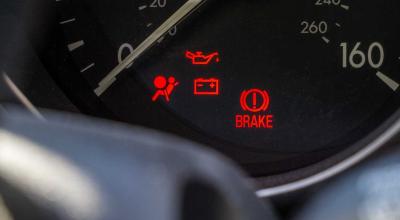
The parking brake has been released, but the red warning light remains on. The first reaction is usually to pull the lever again or press the parking-brake switch a few times. Perhaps the sensor
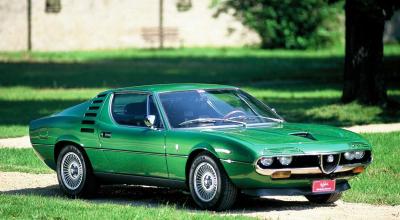
Speed has become ridiculously easy to buy. A modern electric crossover can pin its passengers to the seats while carrying three children, a week’s shopping and a suspicious amount of sports equi
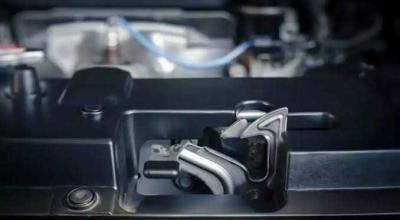
Opening a car’s hood is oddly ceremonial. First comes the lever beneath the dashboard, usually hidden low enough to require an undignified search around the driver’s footwell. The hood

On a cold morning, the dashboard can produce a blue thermometer symbol that looks far more alarming than the engine sounds. The car starts normally. No steam rises from beneath the hood. Nothing sm