

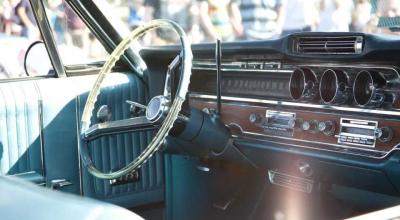
Open the door of a large American sedan from the 1950s and the front seat looks less like a modern cockpit than a particularly comfortable sofa. There is no center console dividing driver and passe
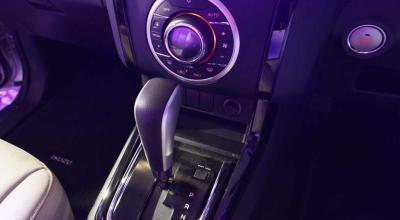
Press the accelerator hard in a conventional automatic car and its behavior follows a familiar rhythm. The engine climbs through the rev range, the transmission changes gear and the engine note drops
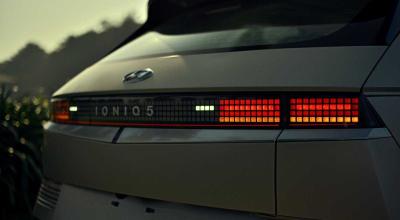
In a conventional car, the relationship between the brake pedal and the brake lights feels reassuringly simple. Press the pedal and the red lamps illuminate. Release it and they go dark. Drivers be
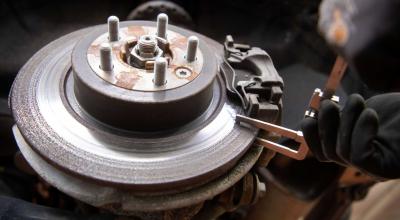
The usual explanation sounds perfectly logical. When a car slows down, its weight moves toward the front. The front tires carry more load, so the front brakes provide more of the stopping force. That
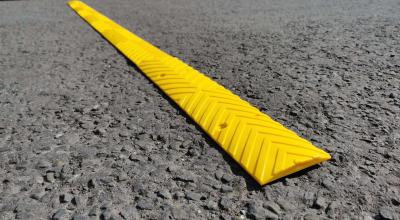
One tire wanders across the painted line and the previously quiet cabin erupts with a harsh mechanical growl. The steering wheel trembles, the seat vibrates and, for half a second, it feels as if some
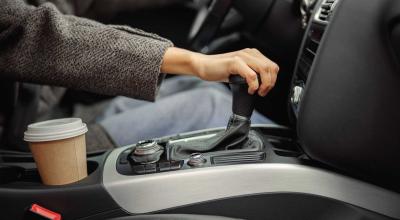
Shift an automatic car into Drive, release the brake and it begins moving without a touch of the accelerator. The movement is usually gentle. Just enough to edge forward in traffic, ease into a par
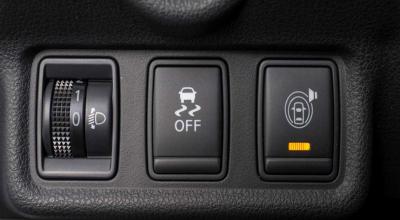
There is something wonderfully unhelpful about the traction-control symbol. It shows a car wriggling across the road, which makes the button beside it look like the obvious thing to press when the roa