
Cadillac Sold a V8 That Could Run on Four Cylinders. The Dashboard Let You Watch.
by AutoExpert | 19 November, 2026
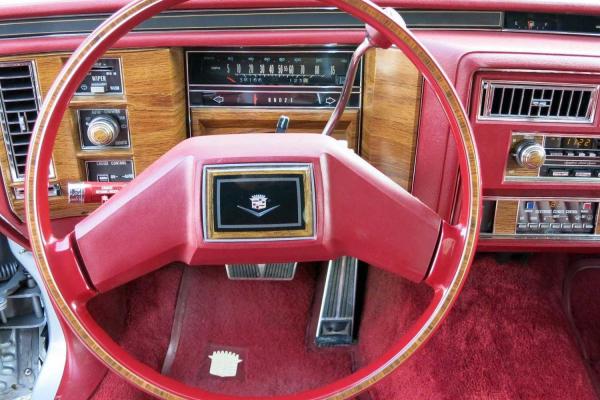
Press a button in a suitably equipped 1981 Cadillac and the dashboard would tell you how many cylinders were working. Eight when you needed the power. Six or four when you could manage with less. Cadillac had given its big V8 a way to take some of the afternoon off, and invited the owner to watch.
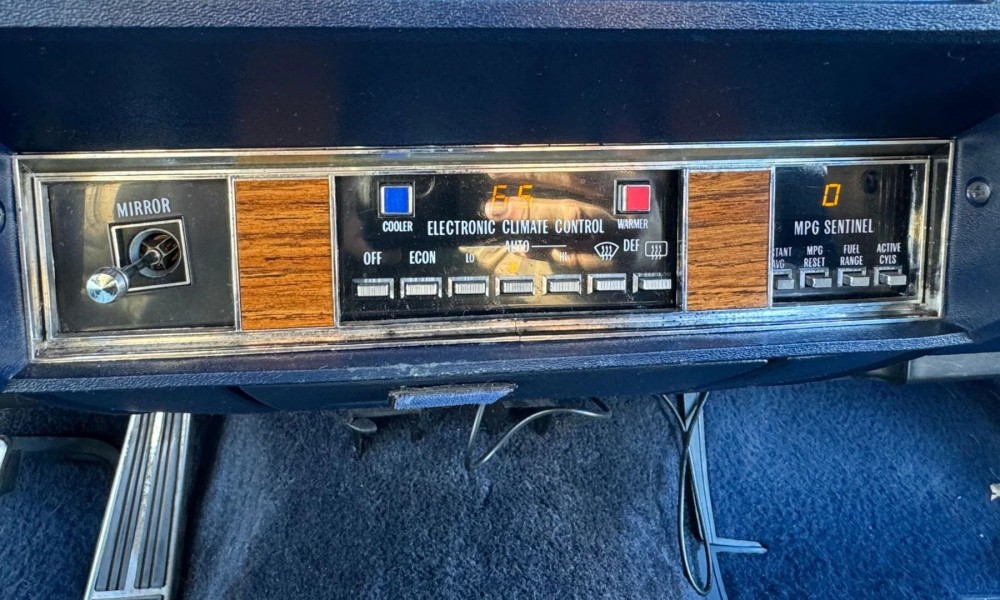
The Cadillac V8-6-4 was meant to save fuel without asking buyers to give up a large luxury car. Under lighter loads, it deactivated cylinders; when the driver wanted more power, all eight returned to work. The MPG Sentinel display made the process visible.
That display was a persuasive little piece of showroom theater. A salesperson could explain the fuel-saving idea, press a button and let the car demonstrate it. You could also call up average or instantaneous fuel consumption, making the engine’s changing workload something you could follow from the driver’s seat.
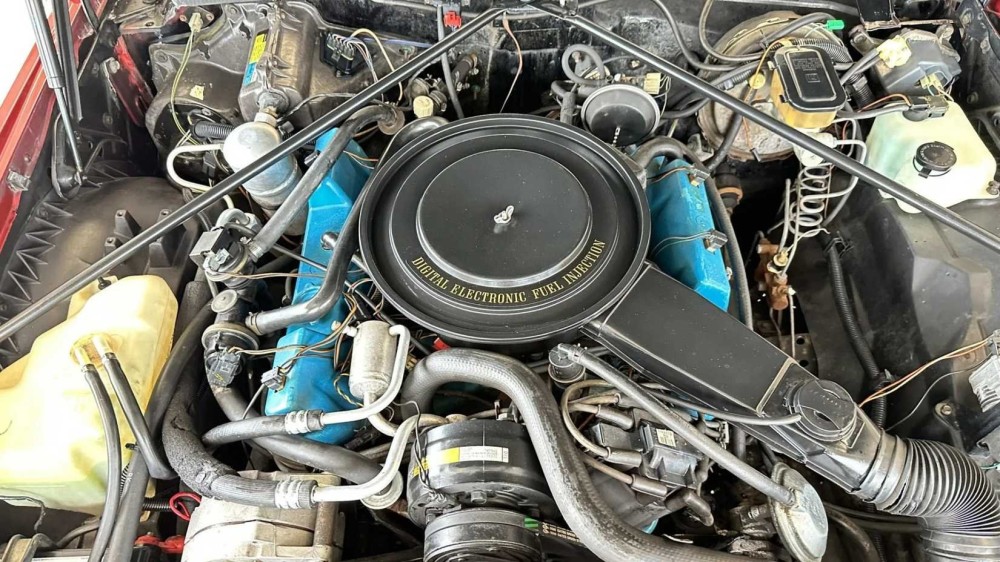
The brochure’s confidence extended well beyond the display. It described electronic fuel injection and an onboard diagnostic system that let a technician retrieve fault information through the car’s controls. Cadillac was selling a sophisticated machine, with electronics helping both the person driving it and the person servicing it.
Then the promise met ordinary driving. As Autoweek recounts, the control system could struggle with the changing demands, hunting between cylinder modes. Smoothness mattered in a Cadillac. An engine drawing attention to its decisions was a particularly awkward shortcoming.
By July 20, 1981, Cadillac was writing to owners. A surviving letter defended the engine against adverse publicity while announcing extra protection for five years or 50,000 miles from the car’s original sale.
Read the brochure and that letter together and the story becomes more interesting than a simple failed-engine anecdote. The sales material asks you to admire what the car can do. The letter asks you to retain confidence in it.
Cadillac told owners to keep the new protection paperwork in the glovebox. Within easy reach, then, of the button that had made the whole idea look so convincing.