
You Put the Back Seat Upright. That Doesn’t Mean It’s Locked.
by AutoExpert | 20 November, 2026
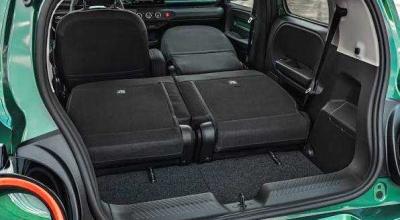
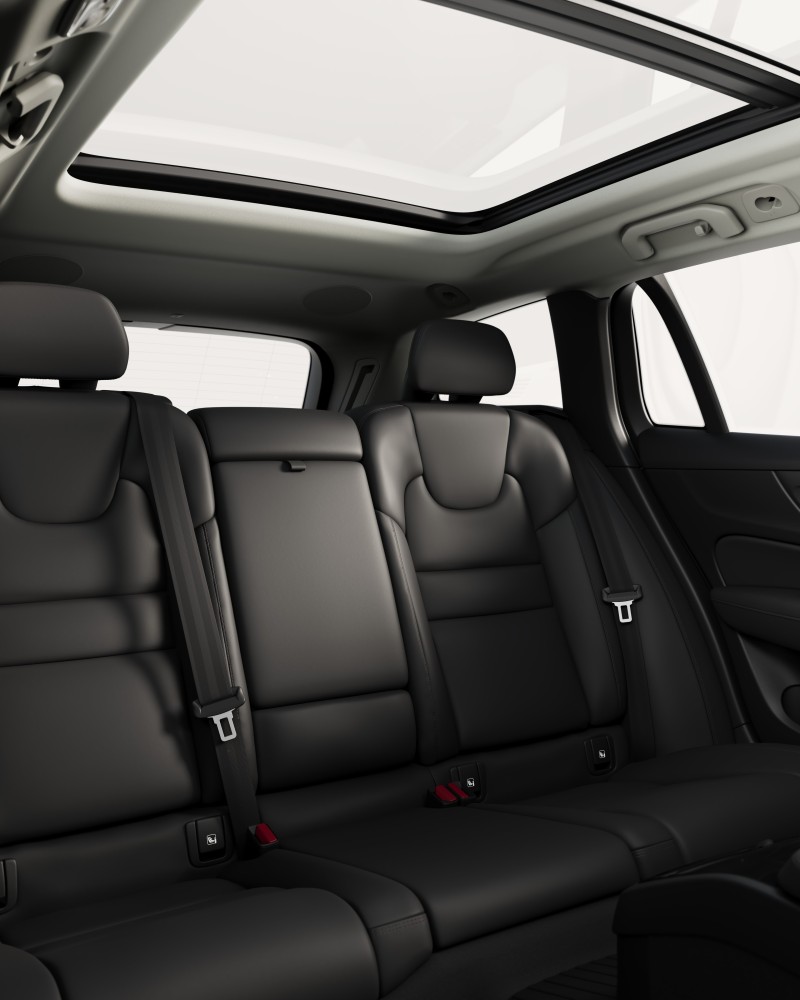
The bookcase is finally out of the car. You lift the rear backrests, brush away the packaging and close the doors. Everything looks normal again, apart from a small patch of red beside one of the release handles.
On cars with this indicator, that red patch can mean the backrest hasn’t locked. It may be standing upright, roughly where it belongs, without being secured for the next passenger.
This is an easy detail to miss after a trip that involved measuring furniture in a shop and discovering, in the car park, that the measurements were optimistic. Getting everything home feels like the end of the job. Putting the seats back becomes something you do with one hand while carrying the last bag.
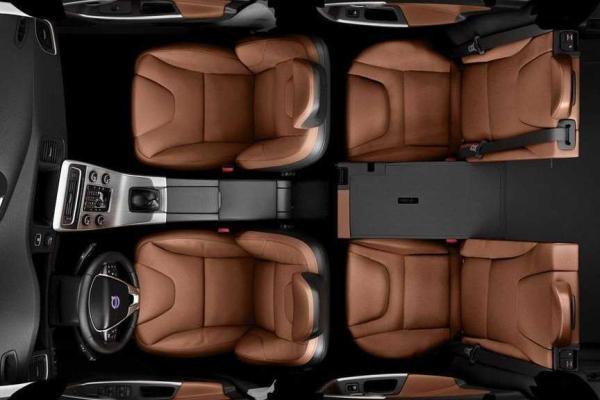
Volvo’s V60 instructions give the red indicator a clear purpose: it shows that the backrest is unlocked, and it should disappear when the seat is properly secured again. The head restraint also needs returning to its locked position. Honda uses red tabs on certain rear-seat release levers, which go down when the backrest locks.
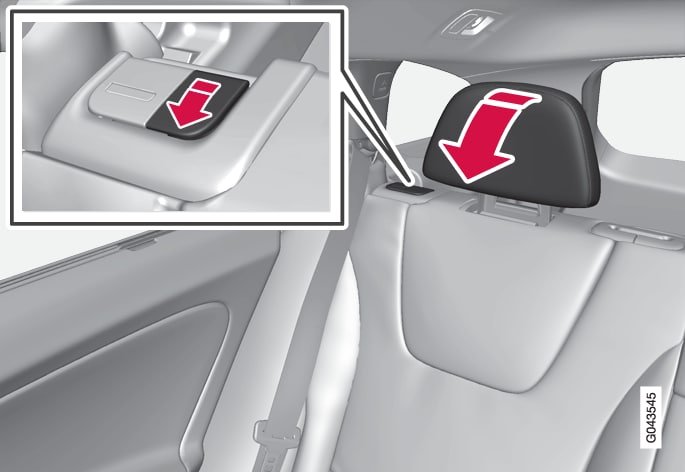
Before pushing the seat back, look around its edges. Move loose belongings away and make sure a belt hasn’t ended up behind the backrest. Then follow the handbook’s instructions for securing that particular seat. Check each section you folded; getting one side into place tells you nothing about the other.
If your car has no colored indicator, use the checking procedure in its manual. The useful question is whether the latch has engaged, rather than whether the upholstery lines up neatly.
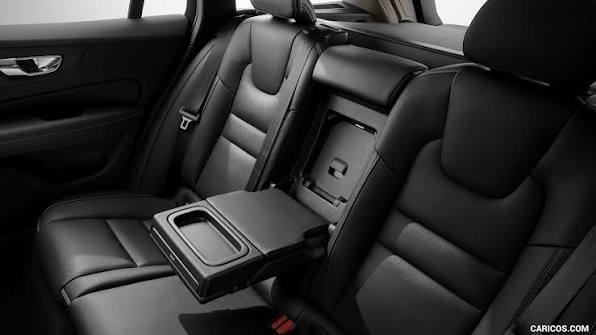
A backrest that still won’t lock needs attention before anyone uses that seat. Repeatedly slamming it harder is a poor substitute for finding the obstruction or having the mechanism inspected.
And leave the belts ready for the next passenger. After all the effort of getting the bookcase out, nobody should have to fold the seat down again to find the buckle.