
The Jaguar XJ220 Lost Six Cylinders Before Customers Got One. What Happened?
by AutoExpert | 20 November, 2026
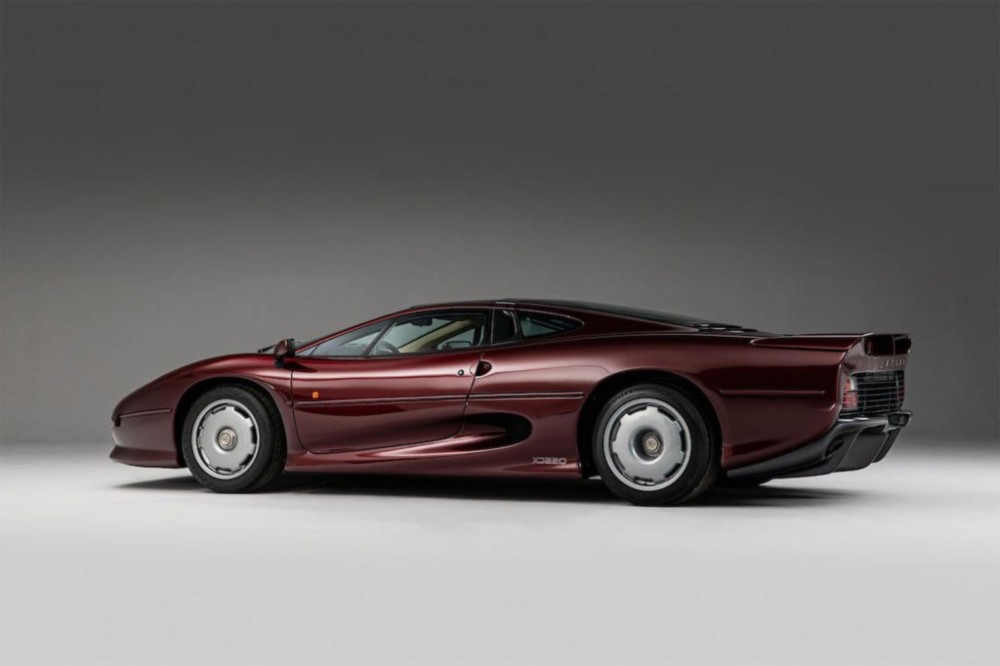
Look at the Jaguar XJ220 unveiled in 1988, then look beneath the bodywork of the car customers received in 1992. Somewhere along the way, six cylinders and the drive to the front wheels have disappeared.
The production XJ220 used a twin-turbo V6 and rear-wheel drive. The show car had a V12 and four-wheel drive. It sounds like the familiar story of a manufacturer displaying something wonderful, then letting the accountants near it. The awkward detail is that the original wasn’t supposed to reach a showroom at all.
Jaguar’s heritage archive describes it as a demonstration of what the company could do. About a dozen engineers and designers worked on it voluntarily in their spare time, helped by roughly forty suppliers. They became known as the Saturday Club. Chief engineer Jim Randle had conceived a supercar with ambitions for both road and track, and Keith Helfert supplied the shape.
When it appeared at the Birmingham motor show on October 18, 1988, the response changed its future. Demand prompted a feasibility study. Production approval followed in late 1989, with Tom Walkinshaw’s TWR involved in bringing the car to customers.
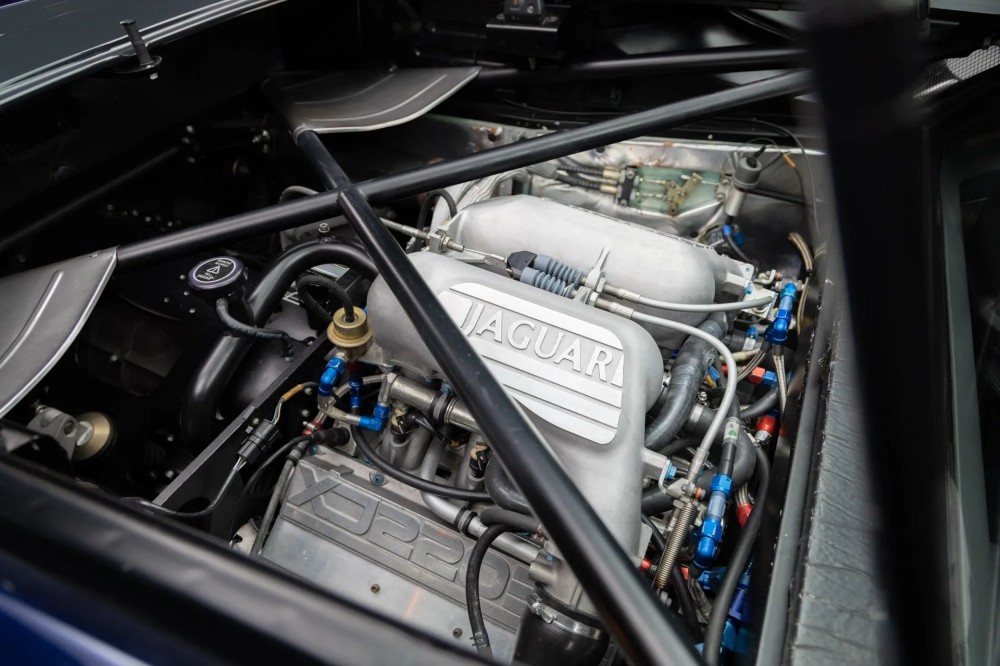
That step matters. An engineering showcase had become a vehicle somebody had to develop, manufacture and support. The finished car retained its name and extraordinary silhouette, while its specification changed substantially.
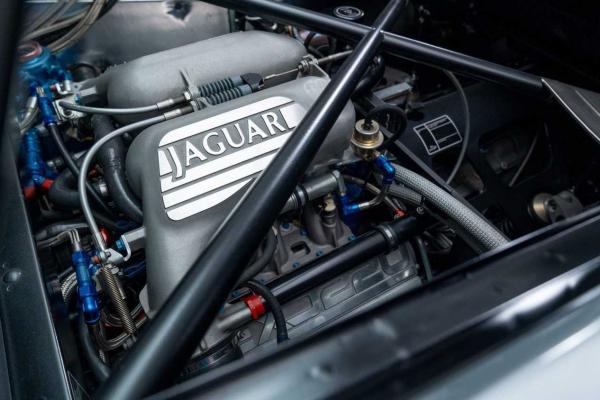
The Jaguar XJ220 V6 engine displaced 3.5 liters and used two turbochargers. Jaguar quoted 550 PS, driving the rear wheels through a five-speed gearbox. Its own history records a 213 mph test speed. Whatever someone might have felt about the missing cylinders, the resulting car was hardly short of performance.
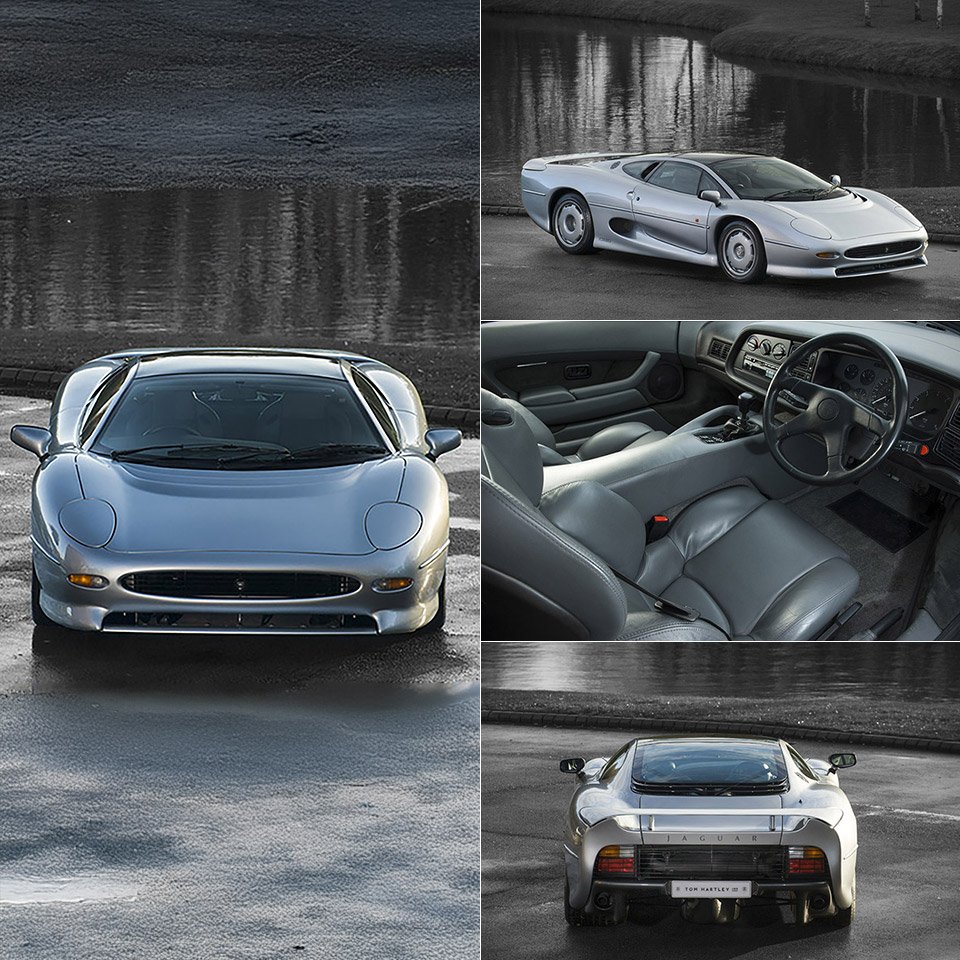
The first customer example was completed in June 1992. By then, the V12 concept had already spent years defining what an XJ220 looked like in people’s minds. That is a difficult thing for a specification sheet to undo.
The original survives in the Jaguar Daimler Heritage Trust collection. It makes an unusually revealing museum exhibit: the car that persuaded Jaguar to build an XJ220, standing there with an engine the production XJ220 never had.