

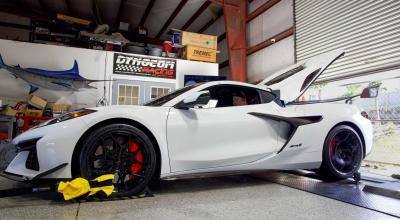
The new Corvette ZR1 just got a whole lot wilder. HP Tuners has become the first company to unlock the Global B E68 ECU used in the ZR1. That same unit also runs the Chevrolet Corvette Z06, which mean
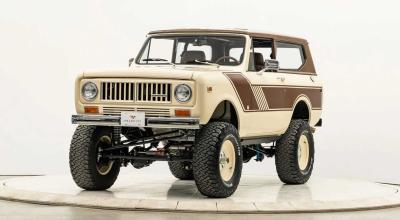
While the new electric Scout from Scout Motors keeps making headlines, some people are looking in the opposite direction. Instead of waiting for a modern EV version of the classic 4x4, they would rath
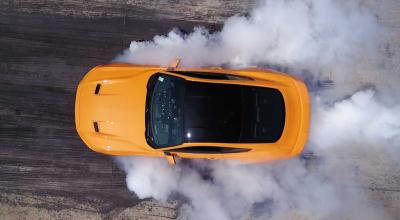
Cars keep changing and not everyone's thrilled about it. Automakers used to build whatever they wanted. Now there are rules for everything. Emissions, noise, safety, design, all of it. The EPA say
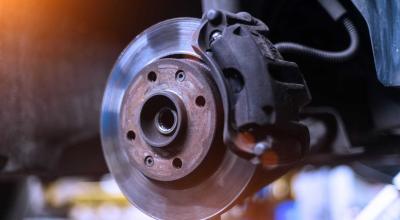
Drum brakes are mostly gone now, though weirdly the Audi Q4 e-tron still rocks them in back for some reason. Took forever to get here. Disc brakes got invented way back in 1902, same year drum brakes
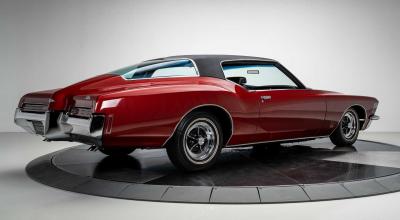
Muscle cars had their moment from about 1964 to 1970. Pontiac dropped the GTO in '64 and suddenly everyone was shoving massive V8s into whatever would fit. Pretty straightforward idea: big engine,
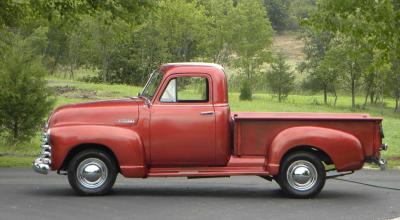
Nobody at Chevrolet actually named it the Stovebolt. When the inline six-cylinder showed up in 1929, gearheads took one look at those slotted bolts holding the pushrod covers and oil pan together and
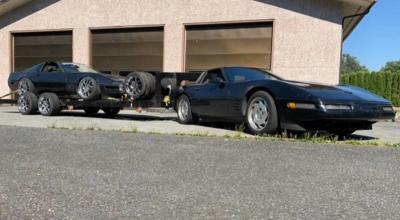
At first glance, it almost sounds reasonable. The Chevrolet Corvette runs a powerful V8. Chevy trucks run V8s. Trucks can tow. So… why not a Corvette? Because power isn’t the same thin
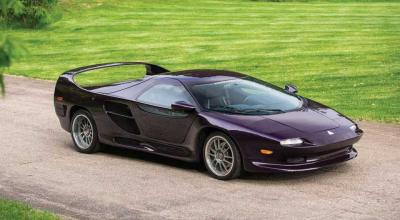
V12 engines are already ridiculous. Huge. Expensive. Overcomplicated. Most brands avoid them entirely. Now add a manual transmission and you’re basically talking about something that shouldn&rsq
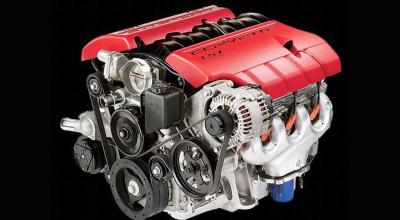
Chevy has made its share of questionable decisions over the years, but its small-block V8s? Those are sacred territory. From classic LS engines to today’s LT lineup, Chevy’s V8s have power
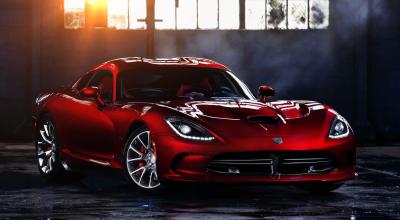
American sports cars have always loved big engines — big V8s, big noise, big everything. But one car pushed “big” to an absurd level. And no, it wasn’t a Corvette, Camaro, or M