Save Big on Alloy Wheel Repairs: How to Fix Curb Rash and Cracks
by AutoExpert | 21 March, 2025
We've all been there. That stomach-dropping moment when you hear the scrape of your wheel against a curb. Ouch. But before you start Googling prices for brand new alloys, hang on a sec - there's a much cheaper option that could save you hundreds.
What's the deal with alloy wheel repair?
So what exactly can be fixed when it comes to your alloys? Pretty much everything, as it turns out.
Over time, even the most carefully driven wheels start looking a bit sad. The shiny protective coating peels away, the whole thing fades to a dull gray, and suddenly your pride and joy looks like it's been through the wars. Worse still, when that protective layer goes, you're looking at potential slow punctures down the line. Not ideal.
And then there's the more obvious damage - the battle scars from that sneaky curb that jumped out of nowhere or the pothole that appeared in the dead of night. These can leave your wheels properly messed up - bent, cracked, or with chunks missing from the rim. But here's the thing - a good repair shop can work magic on wheels you might think are destined for the scrap heap.
How the repair magic happens
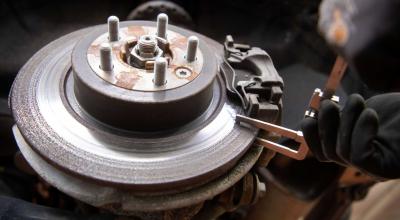
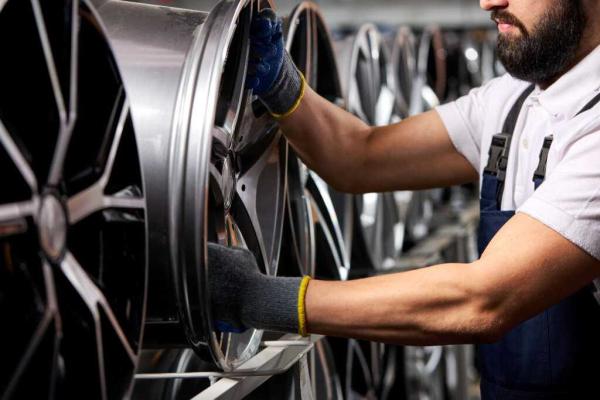
Take your wheels to the pros, and the first thing they'll do is strip everything back to basics. Off come the tires, off comes all that old paint and lacquer until they're working with bare metal. Don't need a courtesy car? Some places let you just drop off the wheels if you've got spares to use in the meantime.
If your wheels just need a facelift rather than serious surgery, they'll get a coat of primer, then paint, then a protective lacquer on top. This gets baked and polished until they're gleaming like new.
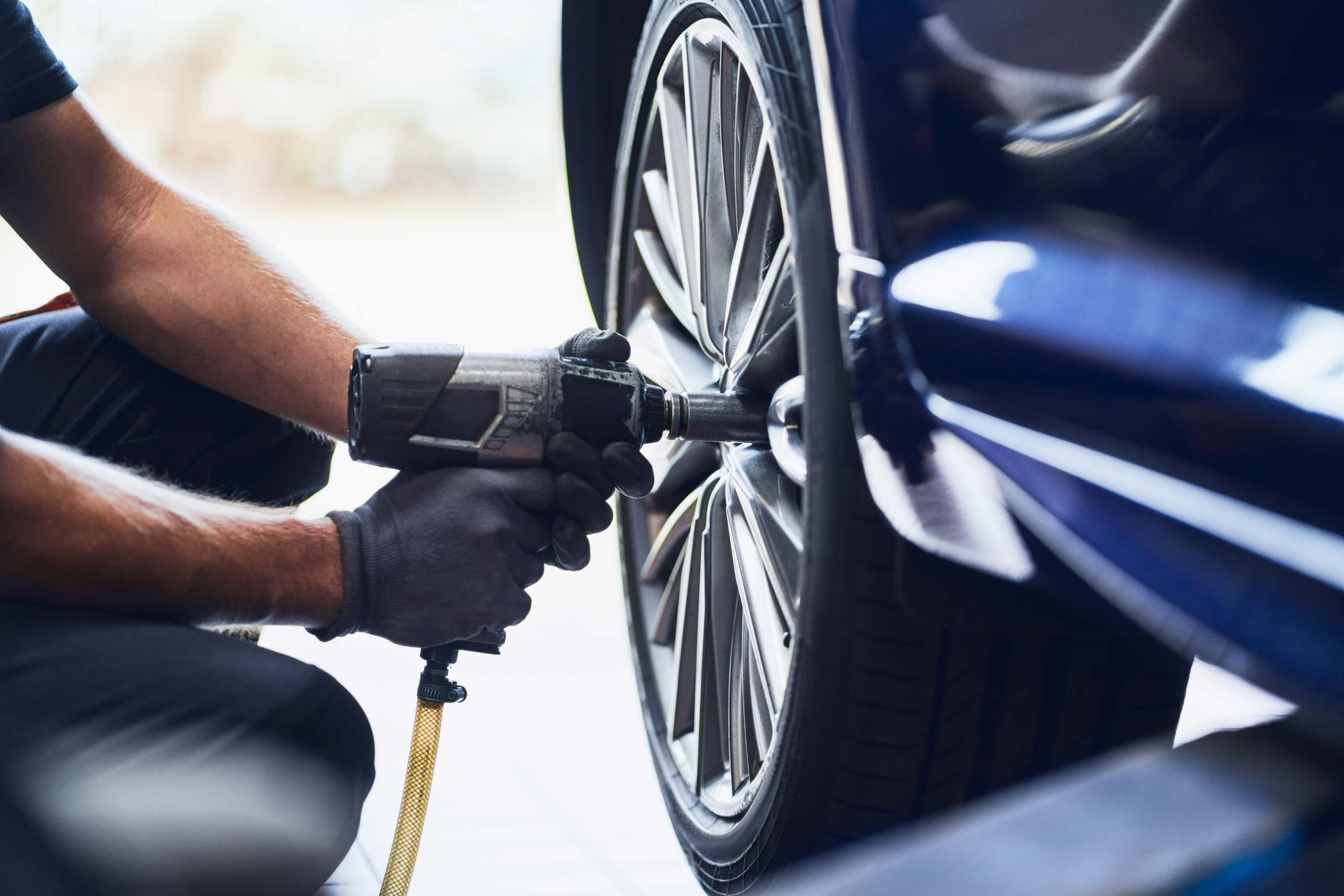
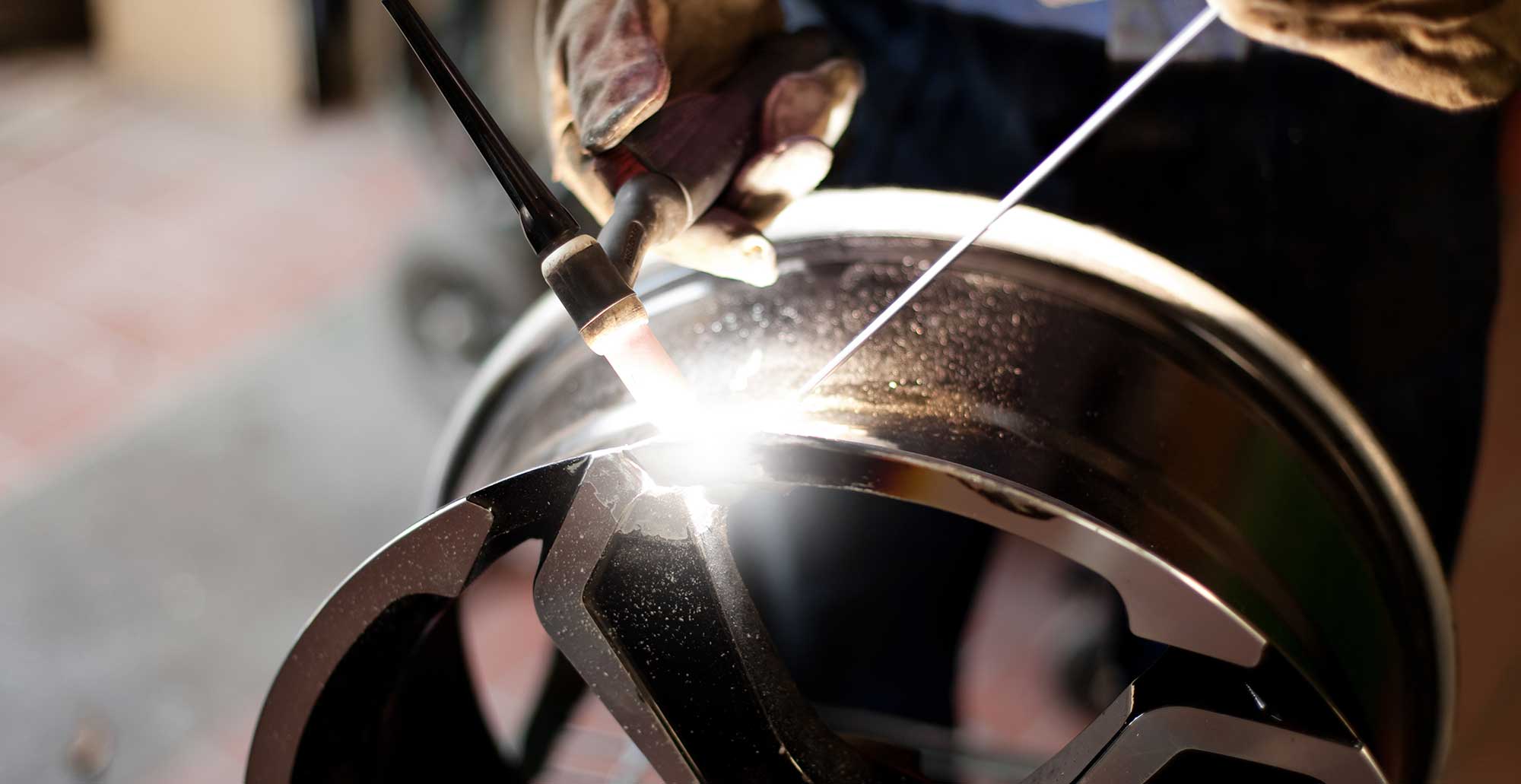
Got actual damage? That's where the real work starts. Minor curb rash gets filled and smoothed out. Bigger problems like cracks might need welding, dents need pushing out, and corrosion needs some serious elbow grease to sand away. Once the wheel's structure is sorted, they'll check it's perfectly balanced (wobbly wheels are no fun for anyone) before giving it the same paint treatment.
Some places offer powdercoating instead of wet paint. It's this cool process where electrically charged powder sticks to the metal, then gets baked on for a super-tough finish. Fancy.
Worth fixing or just replace 'em?
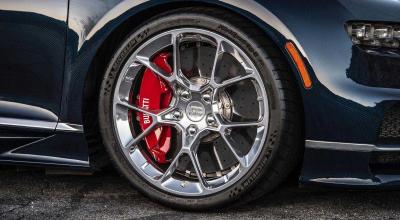
Let's talk money. New alloys, especially for newer cars, can cost an absolute fortune. We're talking hundreds per wheel for anything decent, and the bigger they are, the more you'll cry when you see the bill.
Even if you're looking to sell your car soon, don't underestimate how much those wheels matter. Scuffed, sad-looking alloys scream "this car hasn't been looked after" to potential buyers. Fresh, shiny wheels? That's the automotive equivalent of putting on a nice outfit for a job interview. You'll sell faster and probably get more cash too.
Can they fix anything?
Look, not every wheel can be saved. If you've got massive dents or cracks running through the middle, sometimes it's game over for safety reasons. But honestly, the stuff these wheel wizards can fix will blow your mind.
Welding alloys isn't like welding your garden gate - it's proper skilled work. Some cracks are just too dangerous to patch up. Always get an honest opinion from someone who knows their stuff, and remember that no wheel is worth risking your neck over.
One more thing - wheels that have already been repaired once might not survive a second round, especially if they've had serious damage before. Sometimes you've just got to know when to say goodbye.
What's this gonna cost me?
Alright, the million-dollar question (except it's nowhere near a million dollars, thankfully). Price depends on a few things:
- How massive your wheels are - 22-inch monsters cost more than dinky 15-inchers
- How fancy the original finish was - simple silver is cheaper to redo than some multi-tone masterpiece
- Whether you want something different - bored of silver and fancy going black? That'll cost extra
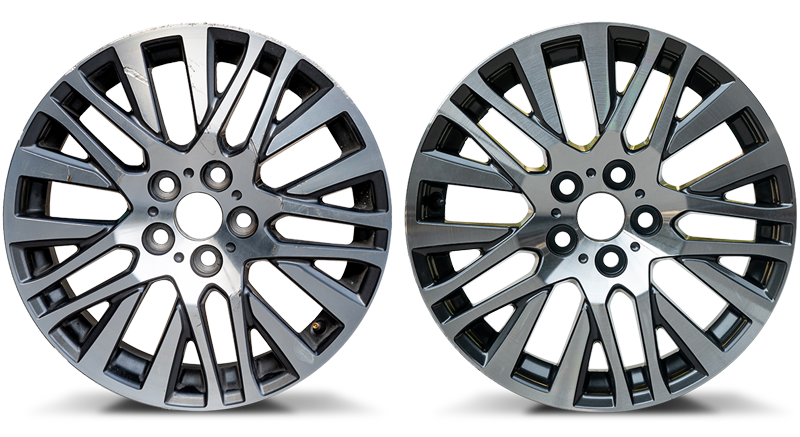
- If they've got those super shiny "diamond-cut" faces - these need special machinery and add big bucks to the bill
- How messed up they are - little scrapes are quick fixes, massive dents take time
Bottom line? Most refurbs come in between $70-$150 per wheel. Not pocket change, but way better than the $450+ you'd drop on each new alloy.

The Stuff People Always Ask
Where can I actually get this done? Repair shops are all over the place. Ask your garage who they use, or hit up that friend who's always got immaculate wheels for their recommendation.
Do I need to buy new tires too? Nah, if your tires still have decent tread, they'll just put them back on your freshly pimped wheels.
Is it actually safe driving on repaired wheels? If a proper professional does the work, absolutely. The key is finding someone legit, not your mate's cousin who "knows about cars."
Will they guarantee the work? Any decent place offers some kind of warranty - usually 6-12 months. Just remember it won't cover you curbing them again the day after you get them back. They're not miracle workers.
How do I stop ruining them again? After they're fixed, give them at least a day before washing them. When you do clean them, be gentle - no wire brushes or harsh chemicals. Keep your tires properly pumped up to avoid pothole damage, and maybe invest in those plastic rim protectors if you're particularly prone to curb encounters.