
SangYup Lee: Sculpting Hyundai's Future with Innovative Car Design
by AutoExpert | 4 April, 2025
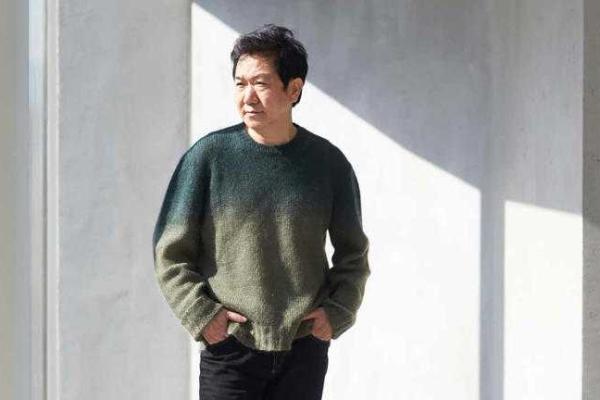
Hyundai and Genesis have climbed to the top of the design world in the last decade, and SangYup Lee has been the driving force behind this transformation since 2016. He's not just one of the most gifted talents in the automotive industry today - he's also one of the genuinely nicest people you'll meet.
Lee's journey to becoming Hyundai's design chief isn't your typical career path. Born and raised in South Korea, he actually studied sculpture in college, but wasn't exactly thrilled about the whole starving-artist lifestyle that usually follows. A fateful visit to the Art Center College of Design in Pasadena changed everything.
"I visited there and saw a car design major student and they were actually making a clay model of a car," Lee remembers. "I was looking at it, and I thought 'Oh! I'm good at making clay models as well, so maybe there's something I can do and I can have so much fun out of it.'"
That lightbulb moment led him to pack his bags and head to California to study car design. The biggest challenge? Coming from a country with practically zero car culture to the world's hotspot for automotive enthusiasm. Sure, Korea had been building cars for decades, but as Lee explains, there wasn't really a car-enthusiast culture – just a business culture.
"My classmates, they all grew up with cars... so they are all car enthusiasts and I was not," he admits. "So it was quite a challenge for me to adapt to the culture and learn. But at the same time, one benefit of not knowing anything about cars, it's like a little kid learning a language, like a sponge soaking up water. I adapted without filtering."

After graduation, Lee jumped across the pond to Europe, interning at both Pininfarina (where the legendary Ken Okuyama took him under his wing) and Porsche (where he worked with Stefan Stark). While in Italy, he even got to know Giorgetto Giugiaro – basically the godfather of modern car design.
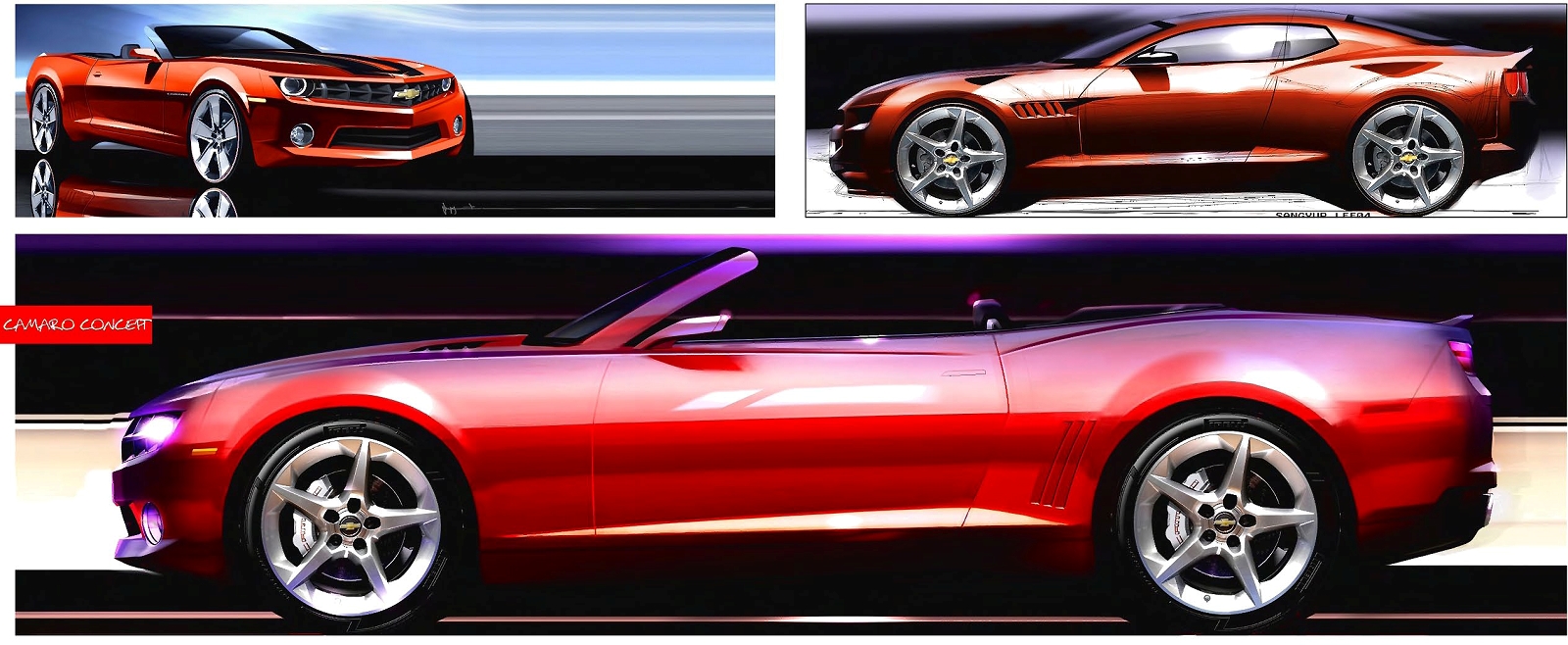
From there, Lee boomeranged back to the US to join GM, where his fingerprints ended up on some pretty iconic American metal – the Cadillac Sixteen concept, C6 Corvette, and fifth-generation Camaro, among others. Eventually, Europe called again, this time with the Volkswagen Group. He started at VW, then moved up to head exterior design for Bentley, creating the jaw-dropping EXP 10 Speed 6 concept and the current Continental GT.
By the time Lee headed back to Korea to join Hyundai and Genesis, he'd lived in eight different countries and designed for 15 different car brands. Talk about the perfect training ground for someone who now oversees design for multiple brands selling cars worldwide.

"I don't consider myself a Korean designer, to be honest," he says. "To become a good designer, you really have to have a global perspective, so I think my journey has been understanding a global perspective. Now, working for a Korean company, I didn't join Hyundai and Genesis because I'm Korean, I joined because of the vision and passion and the history is unbelievable."
Lee gives major props to Hyundai's leadership for constantly pushing the design team to break new ground. The proof is in the pudding – just look at the head-turning vehicles that Hyundai and Genesis are putting out today. Unlike many automakers, Hyundai doesn't treat design and engineering as rival departments fighting for territory.
"Designers have to dream, and engineers have to make that dream come true. This is our mentality," he explains.

Lee also emphasizes that Hyundai is obsessively focused on its customers. Yeah, that sounds like typical corporate speak, but he insists it's not just talk. His team spends tons of time thinking about what customers need – even the stuff they don't realize they need yet.
"A car is expensive, you know," he points out, "when you pay this much money, it has to be worth it."
When Lee visits the States (Hyundai has a design and engineering hub in Irvine, California), he makes it a point to visit Costco. Not for the free samples or bulk toilet paper, but to observe customers in their natural habitat – the parking lot. Like some automotive David Attenborough, he watches how people actually use their cars to figure out how to make them better.
These parking lot safaris also remind him of the need to make his designs stand out. "There are so many cars in the parking lot, and often I ask myself, 'What the heck am I supposed to do to make my car special?'"
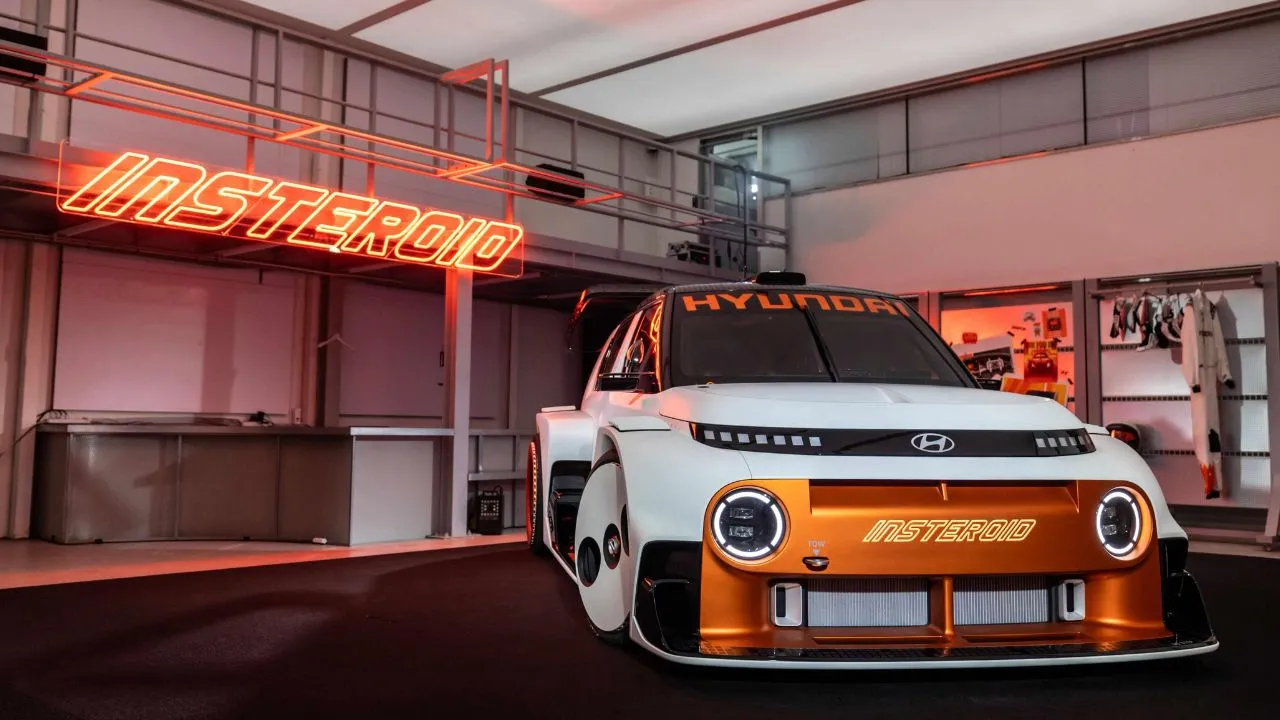
At Hyundai and Genesis, designs start with a blank canvas, but they're always informed by what came before. "Before I start, I just want to make sure I always look back to bring what I have to do to the next level." That means studying previous Hyundai models, but also entire eras of automotive design and the lessons each period offers.
You can see this thinking play out in the Ioniq 5 and Ioniq 6. The Ioniq 5, being a family-friendly everyday car, draws inspiration from Giugiaro-designed hatchbacks of the '70s like the VW Golf, Lancia Delta, and Hyundai's first Pony. These cars featured simple, slab-sided designs that were easier to manufacture affordably without sacrificing quality. Meanwhile, the Ioniq 6 takes cues from early aerodynamic pioneers like the first Saabs, which were designed by airplane engineers. For an electric sedan where efficiency is paramount, this streamliner approach both honors those early innovators and serves a practical purpose.
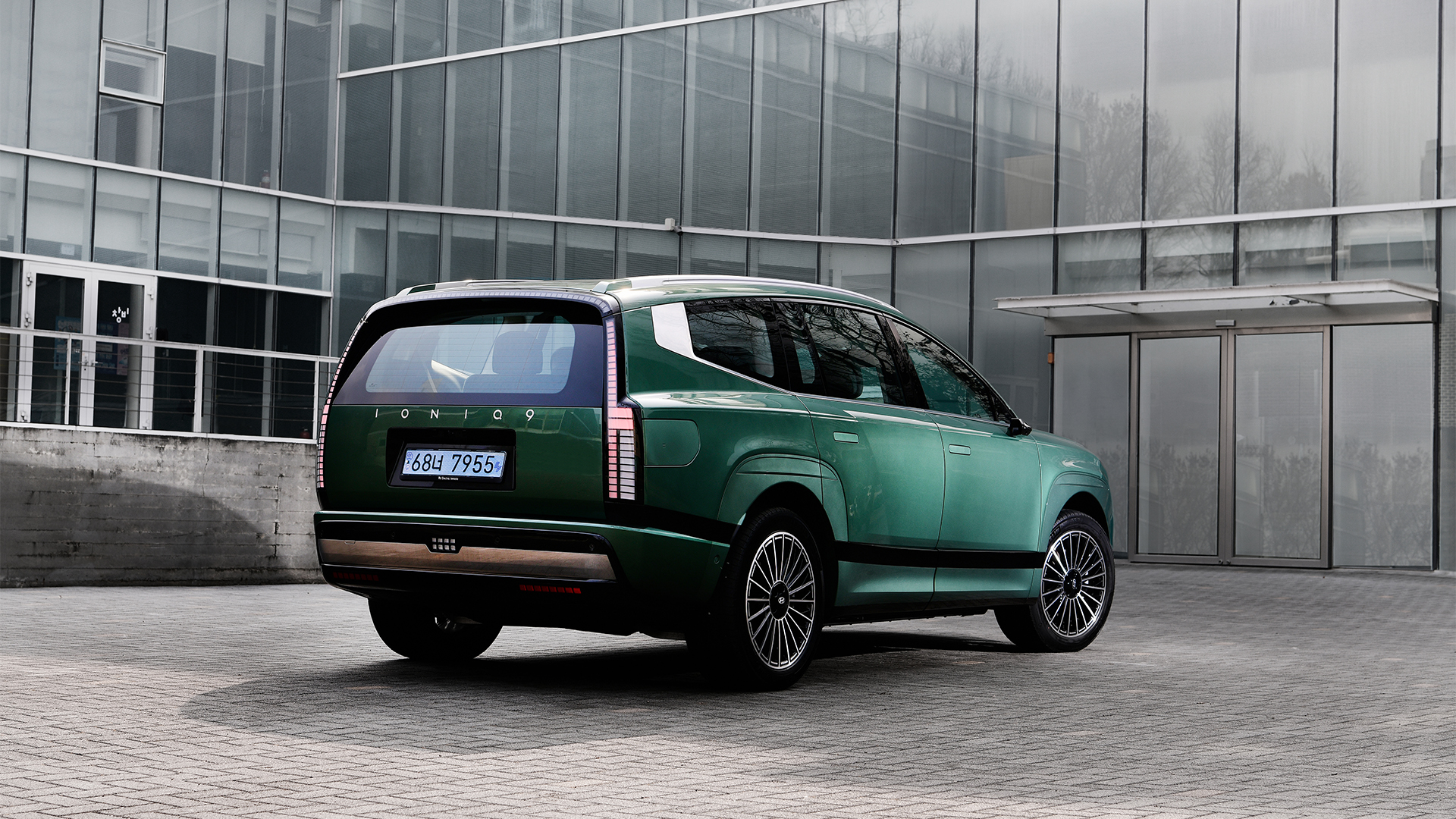
The Hyundai brand is also careful to create meaningful distinctions between its models. Lee points to the new Santa Fe and Ioniq 9 as examples. Both are three-row SUVs, but the Santa Fe went boxy to follow current trends and maximize interior space. The Ioniq 9, on the other hand, looks completely different.
"Should we do two boxy SUVs? Probably not," Lee muses.
That's why the Ioniq 9 features a more rounded design to optimize aerodynamic efficiency – more important for an EV than for the gas-powered Santa Fe.
"In car design, form has to follow function."
Not that Lee isn't having a blast. He always tries to inject some optimism and joy into his designs.
"You know, the world is becoming more and more uncertain," he says, "the anxiety of people is growing and growing. Can we have a product to make people smile?"
Lee gets pretty philosophical about car design and Hyundai's place in the grand scheme of things. He deliberately avoids the "same-sausage-different-length" approach of German automakers, instead giving each model its own distinct personality.
"We don't have the brand power like Mercedes has. Yet," he says with a hint of ambition. "So we're taking risks... because our customer profile is so different."
Hyundai's customer base is incredibly diverse, which means different design languages appeal to different groups of buyers.
Lee keeps coming back to the importance of staying "humble," because even after 50+ years, Hyundai still sees itself as somewhat of an industry challenger, and car design is always evolving. The nature of designing automobiles has changed dramatically and continues to transform. It's a field that designers must approach with humility.
"Back in the day of Giorgetto Giugiaro and Bertone, they're the maestros, everybody else bows to them," Lee reflects. "These days, it doesn't work that way. It's very complicated, not only on the hardware side, but the software side." He constantly reminds his team to keep an open mind. Creating a car requires collaboration with everyone involved, not just imposing your vision on others.
Above all else, Lee is thankful for the path his career has taken.
"My journey has been very fortunate. I've been able to meet great people, a lot of people. And one thing I always like is new challenges, new opportunities, new people. Now, I have to start thinking about how to pass my legacy to younger designers, just like how my mentors made me who I am right now."