Rolling Coal: What It Is, How It Works, and Is It Legal?
by AutoExpert | 15 August, 2025
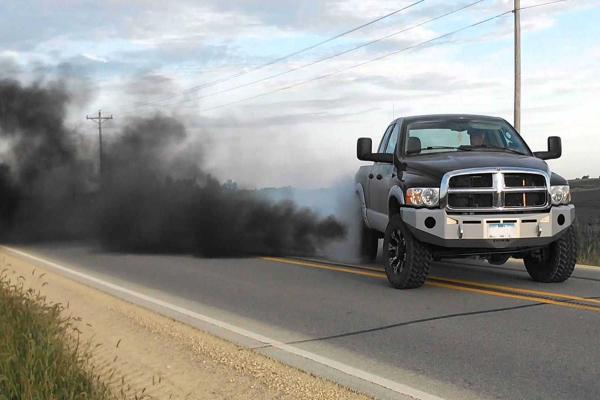
You've probably seen them on highways across America – diesel trucks belching massive clouds of black smoke from their exhaust stacks. This controversial modification, known as "rolling coal," has become a popular way for truck enthusiasts to make a statement against eco-friendly driving.
What started in competitive truck pulling events has now spread to everyday pickup trucks and even some modified cars. The whole point is creating the biggest, blackest smoke cloud possible, often aimed at unsuspecting Prius drivers or anyone in a hybrid vehicle.
How Does It Actually Work?
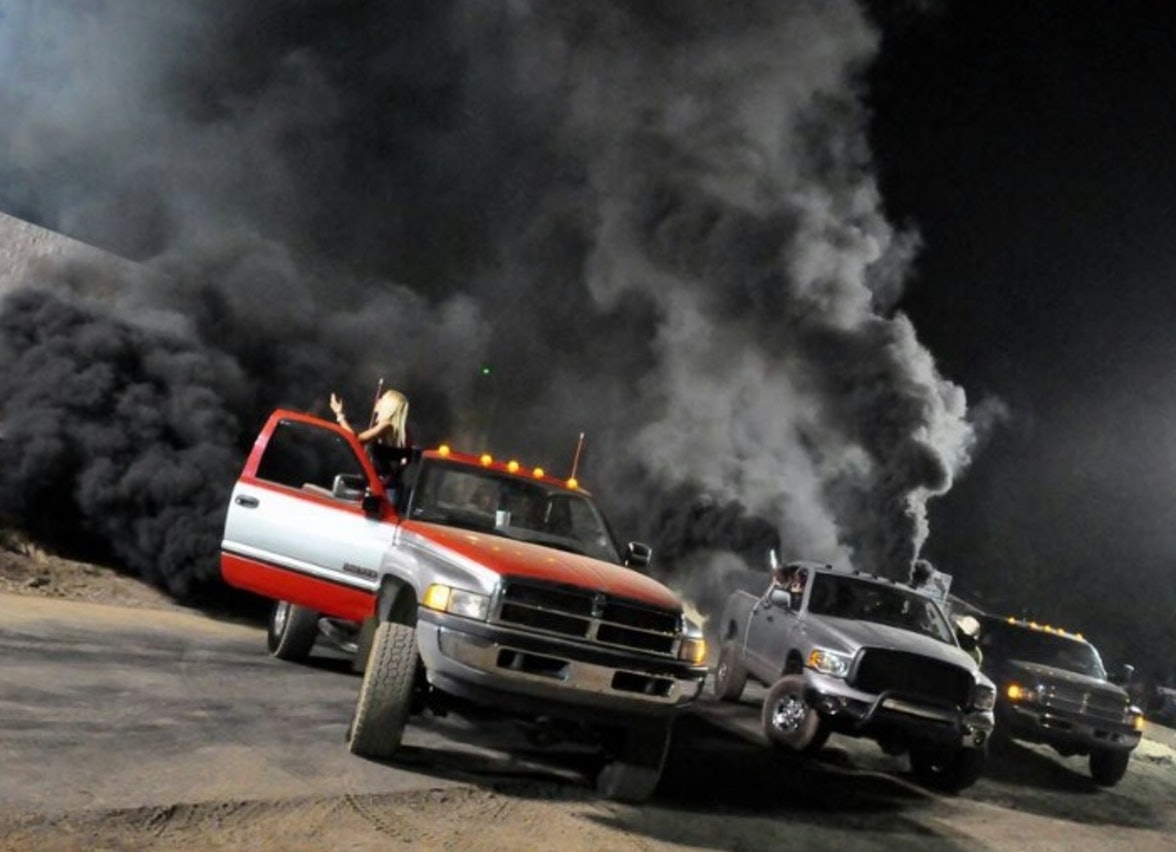
The process is surprisingly straightforward, though definitely not legal. Truck owners modify their engines to dump excessive amounts of diesel fuel into the cylinders while simultaneously bypassing or removing emissions control equipment.
A simple switch wired to the engine's computer allows drivers to create an extremely fuel-rich mixture that goes way beyond normal combustion ratios. All that extra fuel creates tons of particulates – basically soot – that gets pumped out through the exhaust.
The real magic happens when owners also mess with the EGR (exhaust gas recirculation) valve, which normally helps control emissions by recycling some exhaust gases back into the engine. Rolling coal setups bypass this system entirely. Throw in the removal of catalytic converters, and there's virtually nothing filtering those exhaust gases anymore.
Taking It to the Extreme
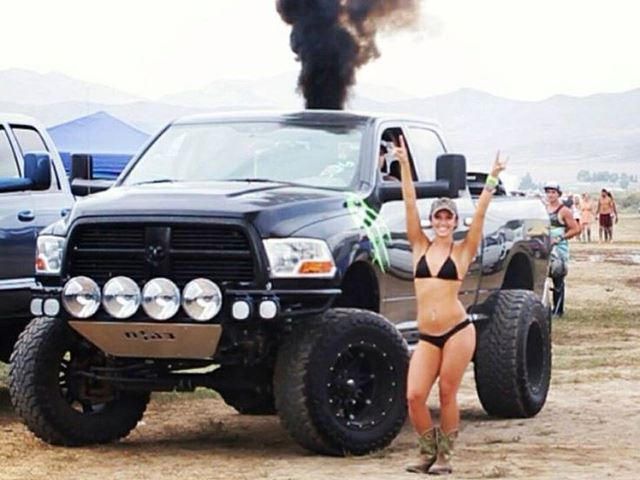
Some enthusiasts go full theatrical with their setups, installing massive "smoke stacks" right behind the truck's cab or even chimney-style pipes sticking up through the hood. These straight-pipe configurations ensure maximum smoke visibility with zero dilution of those thick black clouds.
The whole thing originated in truck pulling competitions, where the massive smoke clouds were actually a byproduct of engines working at maximum power to drag incredibly heavy loads. It was a genuine display of horsepower and torque in these uniquely American competitions.

The Legal Reality
Here's the catch – modifying emissions equipment violates federal Clean Air Act regulations, making rolling coal illegal across the United States. Most truck owners try to fly under the radar by only using their smoke-generating setups occasionally, keeping the bypass systems turned off during emissions testing.
The trend has created quite a divide between diesel enthusiasts who see it as harmless fun and environmentalists who view it as a deliberate attack on clean air efforts. Either way, rolling coal has definitely become one of the most polarizing automotive modifications out there.