
Roadside Assistance: Your Lifeline in a Car Emergency
by AutoExpert | 1 July, 2025
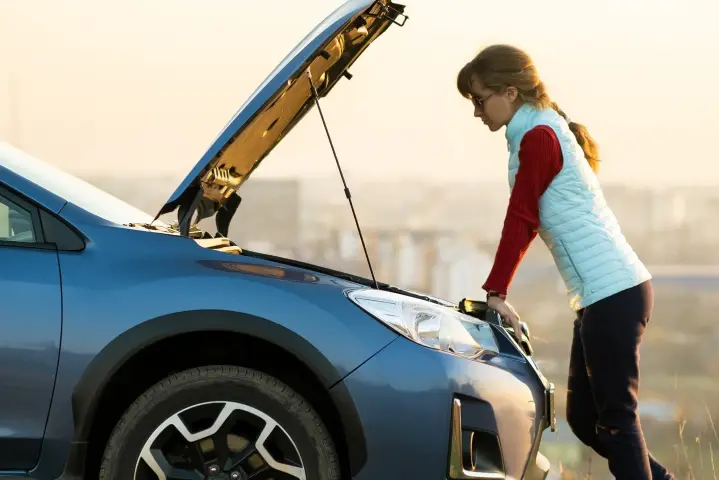
Picture this: someone's driving home from work when their car suddenly starts making weird noises and dies on the side of the highway. No cell service, no idea what's wrong, and no clue who to call. Sound familiar? With about 69 million breakdowns happening every year in the US, most drivers will face this nightmare at some point.
What Even Is Roadside Assistance?
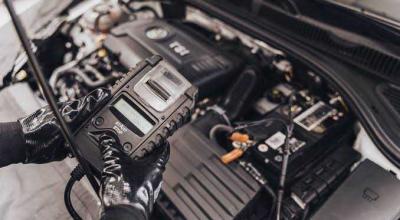
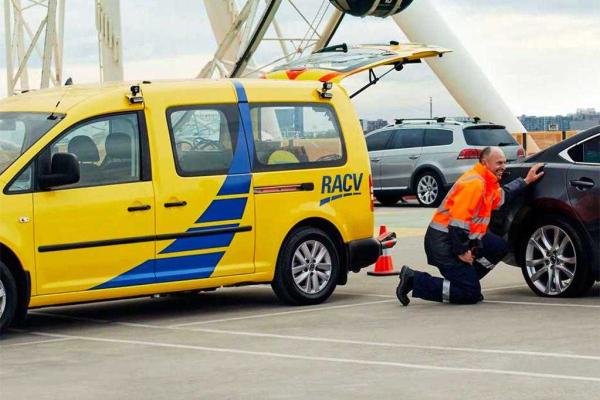
Roadside assistance is basically having a superhero on speed dial for car emergencies. Dead battery? They'll jump it. Flat tire? They'll change it. Locked out? They'll get the door open. Run out of gas like an idiot? They'll bring fuel without judging too harshly.

People can get this coverage from all sorts of places - insurance companies, AAA, car manufacturers, even some credit card companies throw it in as a perk. The idea is simple: pay a little now to avoid getting totally screwed later when something goes wrong.
How It Actually Works
When disaster strikes, drivers just call their provider or use an app. They'll ask what's wrong, where the car is, and some basic info about the coverage. Then they send someone out to either fix the problem on the spot or tow the car somewhere that can.

The catch? Every plan has limits. Some only cover towing for 10 miles. Others only allow three service calls per year. Some won't touch specialty tires or only bring a gallon of gas. The fine print matters big time.
The Money Talk
Here's where it gets interesting. Roadside assistance comes in a bunch of different flavors:
- Standalone memberships like AAA start around $50 a year for basic coverage. More comprehensive plans cost more but cover pretty much everything.
- Insurance add-ons are usually the cheapest option - often just $10-15 added to an existing car insurance policy. Same services, lower price, but sometimes tied to insurance limits.
- New car warranties often include free roadside assistance for the first few years. Nice perk, but it disappears when the warranty runs out.
- Pay-as-you-go is available for people without coverage, but it's brutal. Towing alone can cost $75-150, and that's before they even start driving anywhere.

Some lucky people get it free through premium credit cards or cell phone plans, but most folks need to actually pay for it.
Is It Actually Worth It?
For most people? Absolutely. Here's the math: one tow can cost more than an entire year of coverage. Getting locked out and calling a locksmith? That's easily $100-200. Run out of gas in the middle of nowhere? Good luck finding help that doesn't cost a fortune.
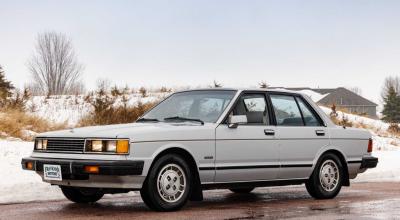
It's especially valuable for people with older cars, long commutes, or anyone who drives in remote areas where finding help isn't easy. New drivers who haven't figured out all the ways cars can betray them also benefit big time.
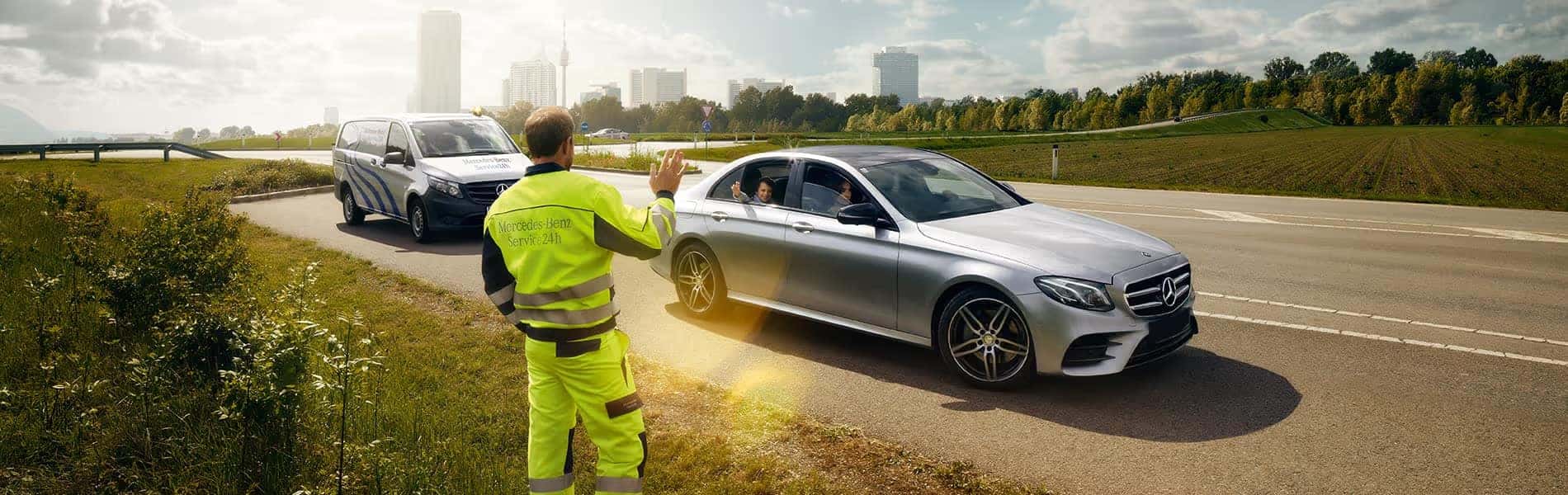
The only people who might skip it are those with brand new cars under warranty or people who barely drive. Everyone else should probably have some kind of coverage.
The Bottom Line
Car trouble is inevitable. The question isn't whether something will go wrong, but when. Roadside assistance is cheap insurance against expensive, stressful situations that always happen at the worst possible time.
The key is reading the fine print and picking coverage that actually makes sense. Whether it's through insurance, AAA, or whoever else, having someone to call when everything goes sideways is worth way more than the annual fee.