
Retread Tires: Saving Money and the Planet (Without Exploding)
by AutoExpert | 1 July, 2025
New tires cost a ridiculous amount of money. Like, painfully expensive. And somehow people are supposed to replace them constantly while old ones pile up in dumps somewhere. It's kind of a mess when you think about it.
That's where retread tires come in – basically taking a tire that's structurally fine but has bald spots and giving it a fresh surface to work with. It's like getting your favorite boots resoled instead of throwing them away and buying new ones.

But here's the thing: mention retreads to most people and they immediately picture blown-out tire chunks scattered across the interstate. Which, fair enough, nobody wants that kind of drama during their morning commute.
What Actually Goes Down
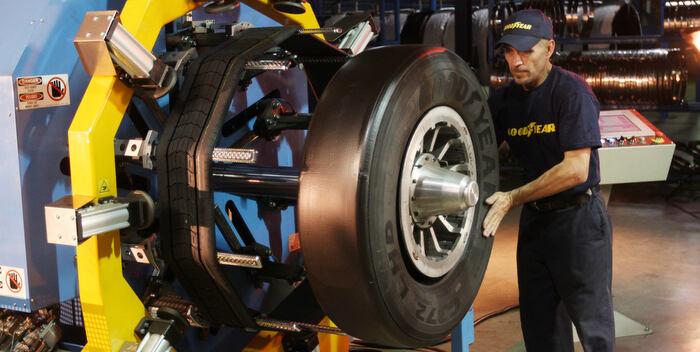
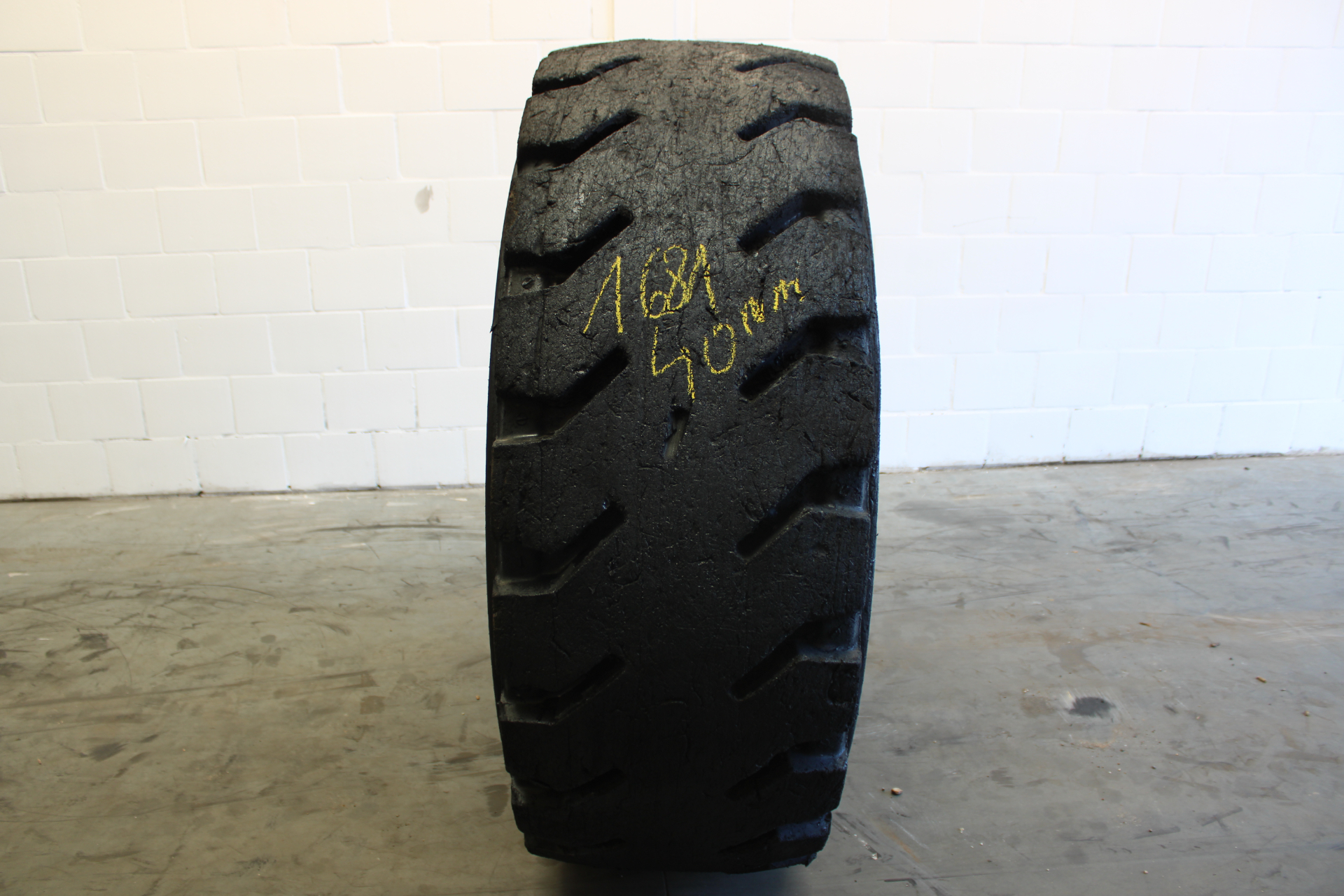
Retreading isn't some dude in his garage with a glue gun. Good shops have legit equipment and trained people who know what they're doing. They strip off the worn tread, check every inch of the tire for problems, then bond new rubber using heat and pressure that would make a pizza oven jealous.
The whole process is pretty involved – inspecting for damage, buffing the surface smooth, applying bonding stuff, sticking on the new tread, then basically baking it until everything fuses together permanently. When someone knows what they're doing, the end result looks like it rolled off the factory floor.
The Safety Question Everyone's Thinking
Look, nobody wants their tire to disintegrate while they're doing 70 on the freeway. That's nightmare fuel right there. The reality is that reputable retreading places put these things through serious quality control – multiple inspections, high-tech scanning, the works.
The problem is telling the difference between a place that takes safety seriously and some operation that's cutting every corner possible to save a buck. This is where doing homework pays off – checking reviews, looking for certifications, maybe even asking to see their process.
Why People Actually Bother
- The Money Thing
Retreads usually run about half the price of new tires and last roughly the same amount of time if you don't abuse them. For someone running a trucking company with 50 vehicles, that's not pocket change – it's serious money.
- Feeling Less Guilty About the Planet
Making new tires involves chopping down forests and dumping chemicals everywhere, then eventually all those tires end up rotting in landfills. Retreading lets people squeeze more life out of what already exists instead of demanding fresh destruction.
- They Actually Work Pretty Well
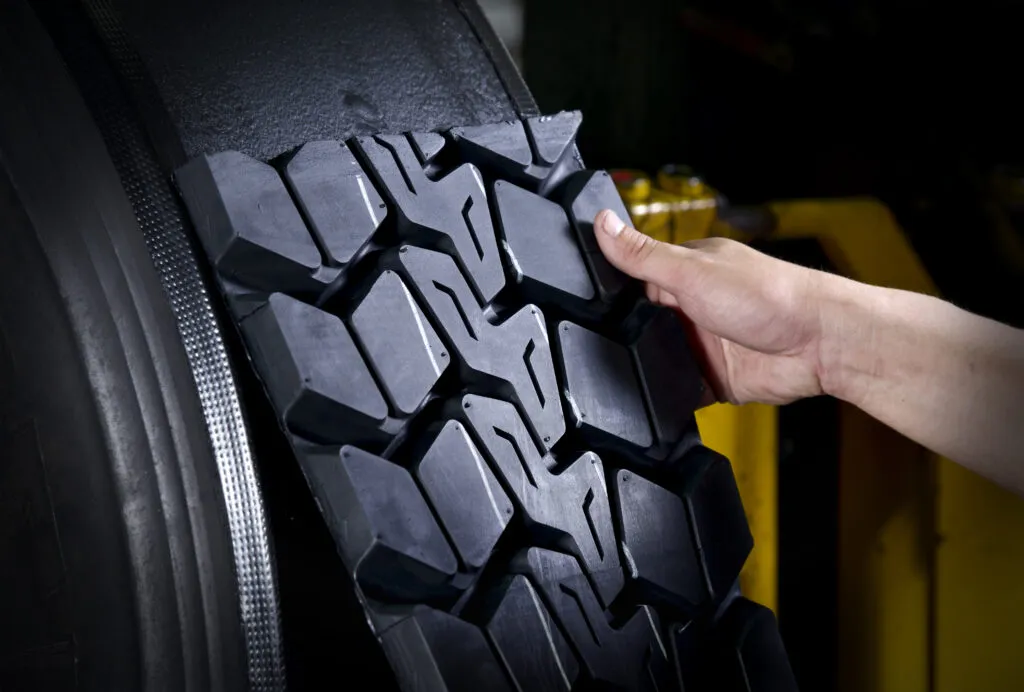
Modern retreads perform almost as good as new ones. Some places even do custom tread patterns for specific jobs – extra grip for construction trucks, racing compounds for track days, whatever.
Clearing Up the Weird Myths
- "Retreads Blow Out All the Time": Most of that tire debris on highways comes from people driving on underinflated or damaged tires, period. Doesn't matter if they're new, retreaded, or blessed by tire fairies – neglect them and bad things happen.
- "They Fall Apart Faster": A decent retread should last about as long as a new tire. The catch is you still have to take care of it – check air pressure, rotate them, don't drive on them when they're obviously toast.
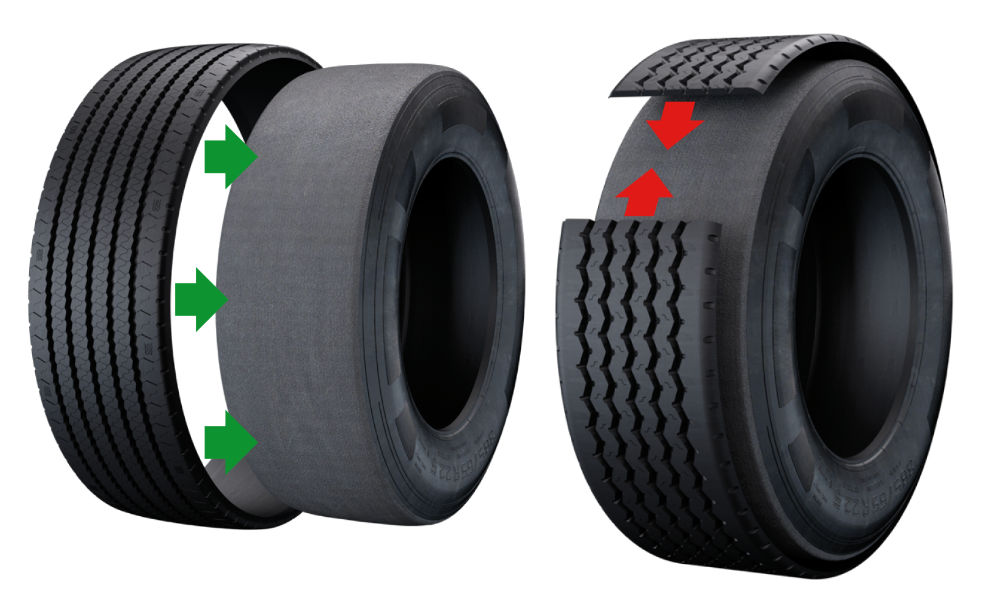
- "They Look Like Garbage": A botched retread job definitely looks terrible – lumpy, crooked, like someone did it blindfolded. But professional places have equipment that makes them look factory-perfect. If someone can tell just by looking, something went wrong.
- "Only for Big Rigs": Sure, trucking companies love retreads because they save tons of money. But regular cars can use them too. Hell, race car teams use retreads because they can get exactly the tread compound they want for specific tracks.
Not Getting Screwed Over
The trick is finding someone who actually knows what they're doing instead of the cheapest option on Craigslist. Look for shops with actual certifications, read reviews from real customers, and inspect what you're getting. A properly done retread should look absolutely perfect – smooth, straight, ready to roll.
There's usually a DOT code stamped on the sidewall that proves it meets safety standards, which is basically the government saying "yeah, this probably won't kill you."
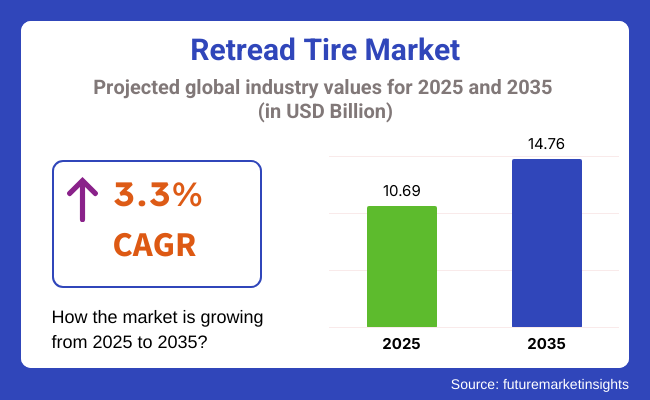
Here's the deal: retreads used to be pretty sketchy back in the day, but the technology has gotten way better. Find a good shop and they're a smart way to save money without turning every drive into a gambling session. Just don't expect miracles from the bargain basement option.