
Those Headlines About Mandatory Rear Seatbelt Alerts in 2027 Are Now Out of Date
by AutoExpert | 20 October, 2026
New U.S. rear seatbelt warning requirements apply to covered vehicles manufactured from September 1, 2028. The original rear-seat deadline was September 2027, but NHTSA extended it in April 2026. Existing cars do not need to have warning systems retrofitted under this rule.
Ask everyone in the back whether they have buckled up and the answer usually arrives as a chorus of yeses. Whether those answers are accompanied by the sound of buckles clicking is another matter.
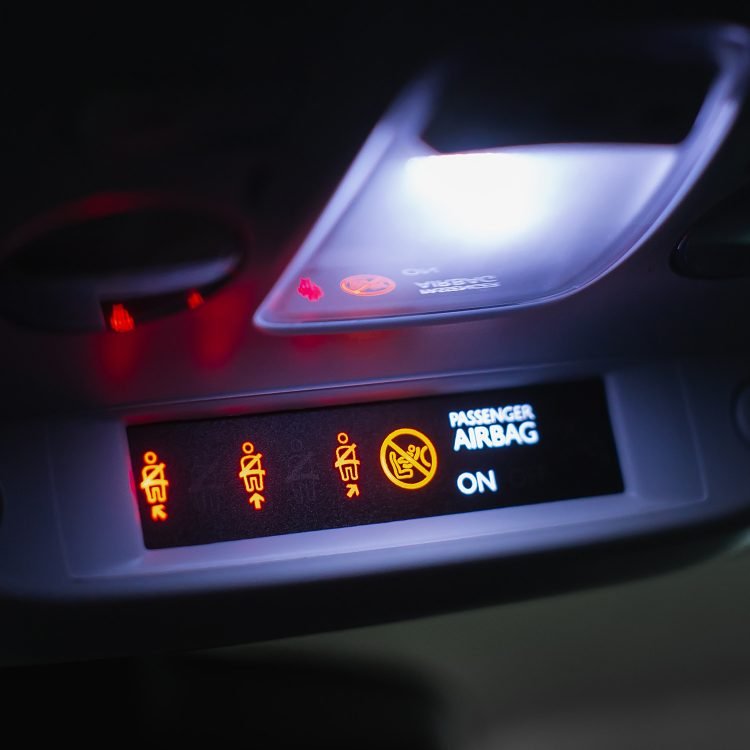
Rear-seat reminders give the driver something more reliable to work with. Some cars already display belt status for the back seats. The federal rule will make that information a requirement across covered new vehicles, alongside more persistent warnings for people sitting up front.
There is a date correction to make first, though. Reports published after NHTSA announced the rule in December 2024 referred to September 1, 2027 for rear-seat compliance. An amendment published on April 6, 2026 moved both the enhanced front-seat and new rear-seat deadlines to September 1, 2028. Manufacturers can comply earlier, while multi-stage manufacturers and vehicle alterers get an additional year.
What will the rear-seat warnings actually do?
At the beginning of a journey, a visual reminder must show how many or which rear belts are buckled and/or unbuckled, generally for at least 60 seconds. If a buckled rear belt is subsequently released while the vehicle is in forward or reverse drive mode, an audible and visual warning must activate, subject to the rule’s exceptions.
That change-of-status warning has a 30-second minimum duration, although specified events can end it sooner, including fastening the belt again. The distinction matters: a belt being unfastened during the journey is treated differently from its status when the car starts.
The rule also leaves manufacturers more freedom than some early coverage suggested. Rear-seat occupant detection is not mandatory. A compliant system can monitor the buckles without determining whether a person is sitting above them. Where manufacturers do fit occupant detection, the rules accommodate it. So this is not a requirement for every car to sound an alarm whenever a bag lands on the back seat.
Coverage includes passenger cars and light trucks, SUVs and certain buses within the applicable vehicle categories. There are exceptions, including specific provisions for emergency and school vehicles. The shorthand that all buses or passenger vans are exempt is too broad.
For someone keeping their current car, there is no appointment to book or equipment to buy. These are manufacturing standards for covered new vehicles. They are also separate from state laws governing who must wear a belt.
If you are shopping for a car before the deadline, check its manual or ask for a demonstration. Rear-seat reminders already exist, and the particular display, sound and detection method can vary. A few minutes learning the system is preferable to discovering its vocabulary halfway through a family road trip.