Radar Speed Signs: Why They Flash When No One's There
by AutoExpert | 28 February, 2025
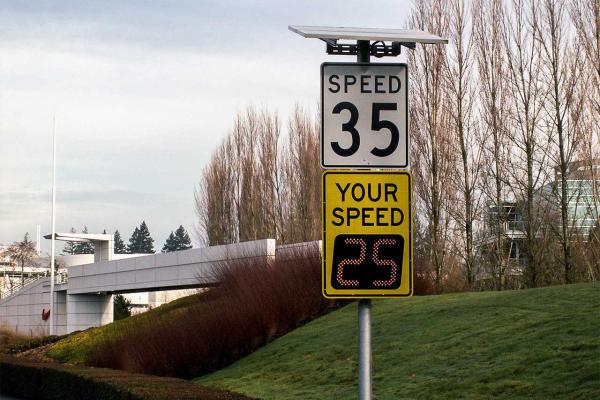
It's one of those little mysteries of modern driving that makes you do a double-take. Let's break down what's actually happening there (and no, the sign isn't haunted!)
The Basics: How These Signs Actually Work
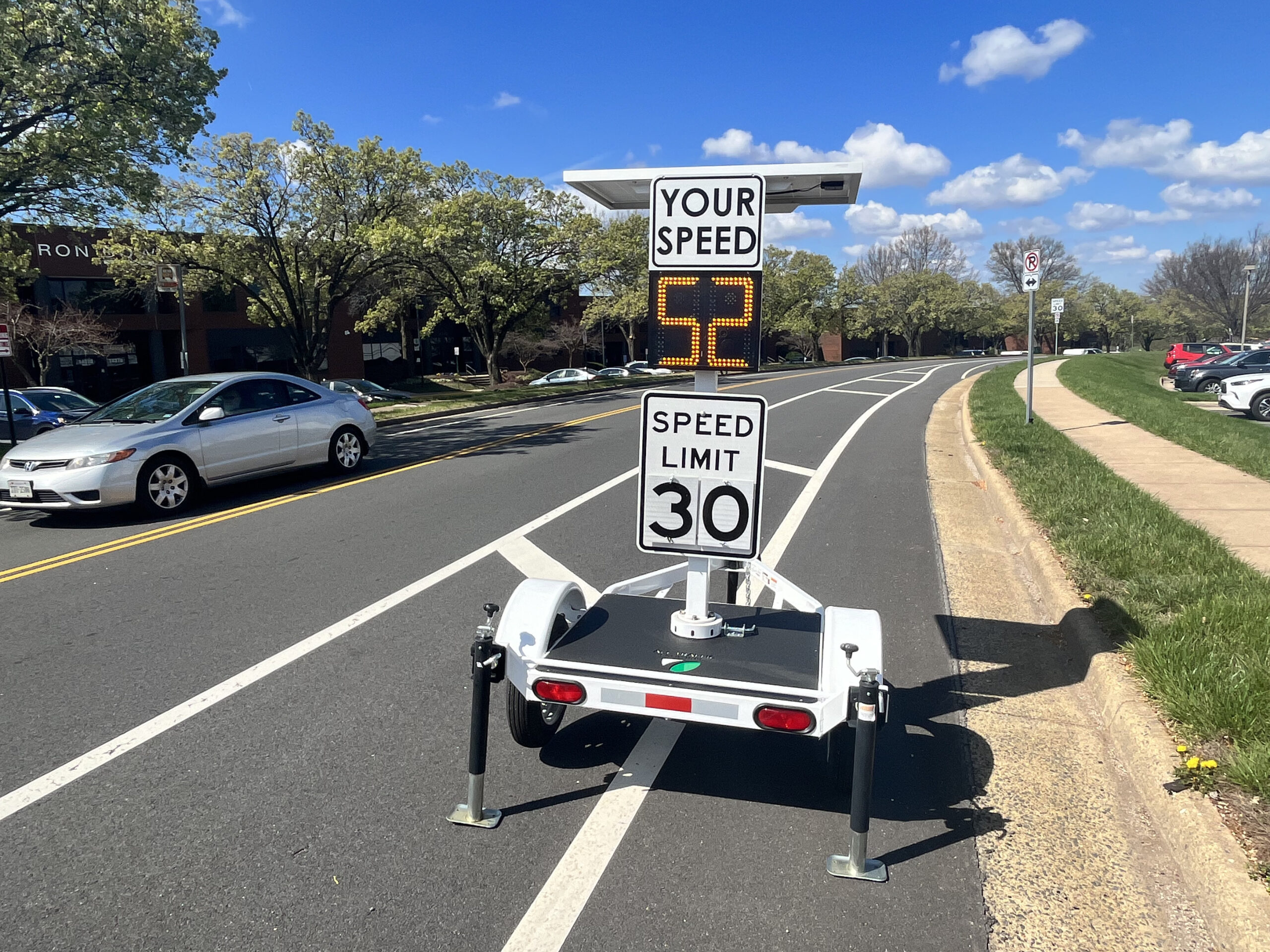
Before diving into the weird stuff, here's a quick refresher on these handy roadside gadgets. Radar speed displays are pretty straightforward in theory – they shoot out radar waves that bounce off your car and come back to the sign. By measuring how long that round trip takes and analyzing the frequency changes (something called the Doppler Effect), they calculate your speed and flash it on that big LED screen.
The idea is simple: when you see your own speed staring back at you, you're more likely to ease off the gas pedal if you're going too fast. And it works! Studies show these signs typically reduce speeds by about 10% in areas where they're installed.
So Why Do They Light Up When Nobody's Around?
Those Radar Waves Go Farther Than You Think
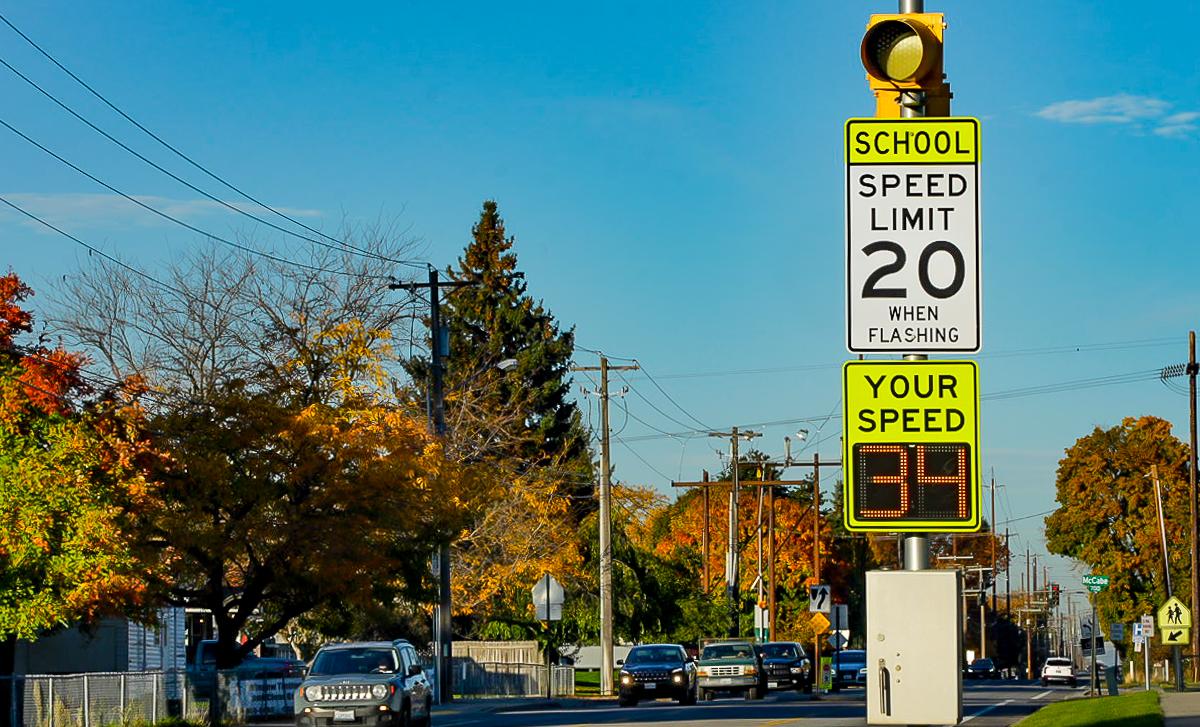
Here's something cool – radar doesn't need perfect visibility to work. While your eyes might not spot a car around the bend or over that hill, radar waves can detect vehicles well beyond what you can see. A car might be just coming into radar range when the sign lights up, even though you can't spot it yet.
They're Super Sensitive (Maybe Too Sensitive)
These systems are designed to pick up on even small objects moving at speed. Sometimes that sensitivity works against them. Things you might not expect can trigger a reading:
- A person jogging down the sidewalk
- Swaying tree branches on a windy day
- Birds flying past
- Even raindrops falling during a heavy storm
I once saw a speed sign flash "12 mph" when it was just me walking my dog nearby. No cars anywhere!
Environmental Gremlins
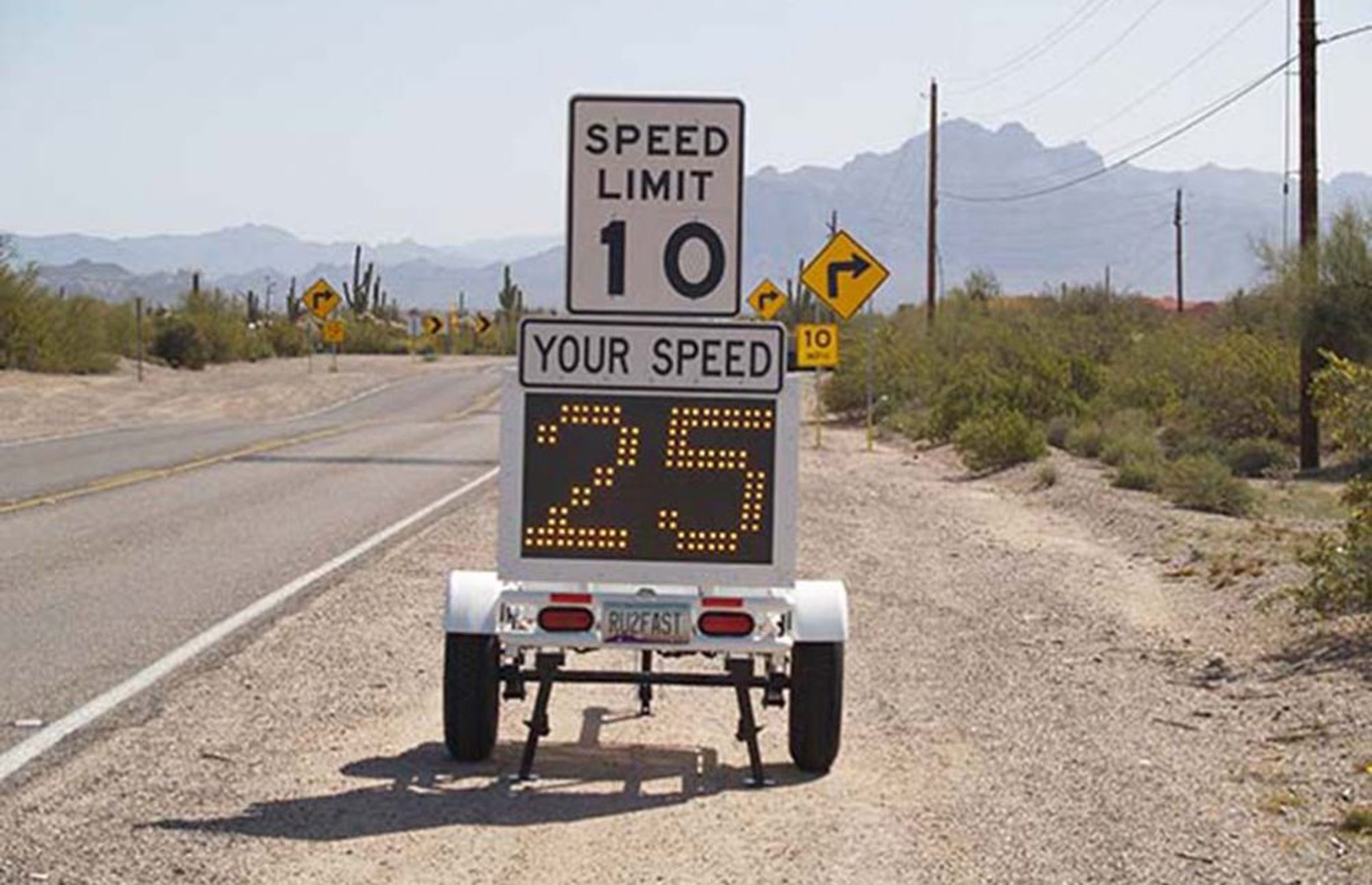
The area around the sign matters a ton. If it's placed near buildings, metal road signs, or other reflective surfaces, those radar waves can bounce around unpredictably. This creates what radar techs call "multipath reflections" – basically, the radar signal taking a scenic route before returning to the sensor.
Weather plays a huge part too. Rain, snow, and fog can scatter radar signals and create false readings. Wind doesn't help either, as it moves things around that might not otherwise trigger the radar.

Some Are Programmed to Stay Lit
This one's interesting – some newer models are actually designed to display numbers constantly, even when they're not detecting anything. The thinking is that a lit-up sign catches drivers' attention better than a blank one. They might show the last detected speed or flash between the speed limit and "Your Speed" text to keep drivers engaged.
Is This Normal or Is Something Wrong?
In most cases, this behavior is totally normal. These little quirks are just part of how radar technology works. The signs are designed to err on the side of detecting too much rather than too little.
That said, there are times when something might genuinely be wrong:
- If a sign consistently shows bizarre speeds (like "85 mph" on an empty residential street)
- If the display flickers erratically or shows gibberish
- If it never seems to detect actual vehicles passing by
These could indicate calibration issues or technical problems that need attention.
Why It Matters to Get This Right
While these occasional false readings might seem harmless, they do have some real-world impacts:
For drivers, consistently inaccurate readings can be confusing. If you're driving exactly at the speed limit and the sign flashes that you're speeding, it undermines trust in the system.
For communities, the data from these signs is often collected and used to make traffic management decisions. Police departments might use it to decide where to focus enforcement efforts. Bad data leads to ineffective solutions.
And the stakes are real – reducing average speeds by just 1 mph can cut accident rates by around 5%. In school zones, these signs have been shown to slow traffic by about 3.2 mph on average, which makes a huge difference in pedestrian safety. (A person hit at 40 mph has a 90% chance of being killed, but at 20 mph, that drops dramatically to just 10%.)

How They're Making These Signs Better
The good news is that newer radar signs are getting smarter all the time:
Smarter Filtering Algorithms
Today's radar systems use advanced algorithms that can better distinguish between actual vehicles and environmental noise. They analyze the radar signature of objects to determine if what they're detecting is car-shaped and car-sized, filtering out smaller movements.
Regular Software Updates
Like your phone, many modern radar signs can receive software updates that improve their accuracy. These updates refine how the system processes radar data and displays information.
Better Calibration Methods
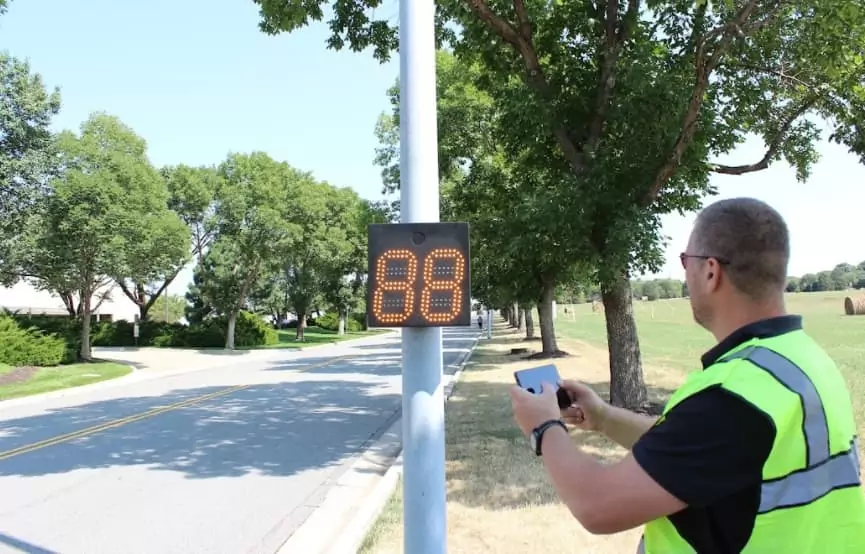
Proper calibration is crucial for accurate readings. Newer systems make this process easier and more precise, with some even allowing remote calibration checks.
Enhanced Sensors
The latest radar sensors have improved detection capabilities, with higher resolution and better signal processing that reduces false positives.

What Communities Can Do
If you notice weird behavior from your local radar signs, here's what can help:
- Regular maintenance checks ensure the units are clean (yes, dirt on sensors can cause problems!)
- Periodic calibration keeps the readings accurate
- Positioning signs away from reflective surfaces reduces false readings
- Upgrading older units to newer models with improved technology
The investment pays off – studies consistently show these signs improve driver behavior and make roads safer, especially when they're working properly.

The Bottom Line
So next time you see a radar sign flash a number when the road seems empty, you'll know there's probably a perfectly reasonable explanation. Whether it's detecting a car you can't yet see, picking up on some environmental movement, or just doing its job as designed, it's all part of helping keep our roads safer.
And that's something we can all appreciate, even with the occasional ghost reading!