Radar, GPS, And SUVs: Military Ingenuity Behind Everyday Car Tech
by AutoExpert | 25 November, 2024
We don’t often pause to consider it, but the open road we enjoy today owes a debt to the battlefield. Many of the features that make modern cars safer, smarter, and more convenient were born out of military necessity, reimagined for everyday life. Without the ingenuity born from necessity, we might not have radar, GPS, night vision, or even the SUV in your driveway.
The military’s relentless push for advanced technology has had a ripple effect, transforming not just how we defend nations but also how we navigate everyday life. Take radar, for example. Heinrich Hertz discovered the ability to measure radio waves in 1888, which gave rise to this now-ubiquitous technology.
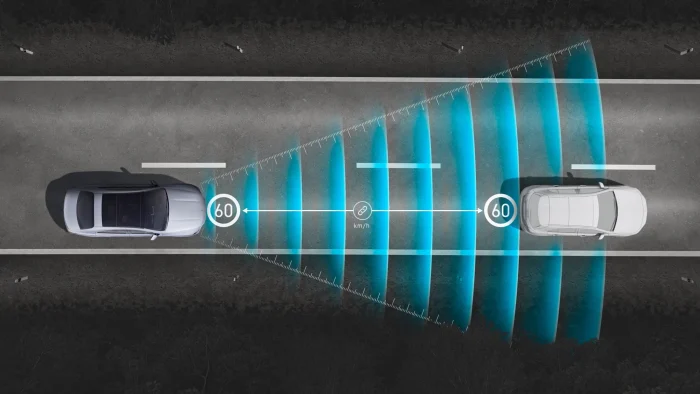
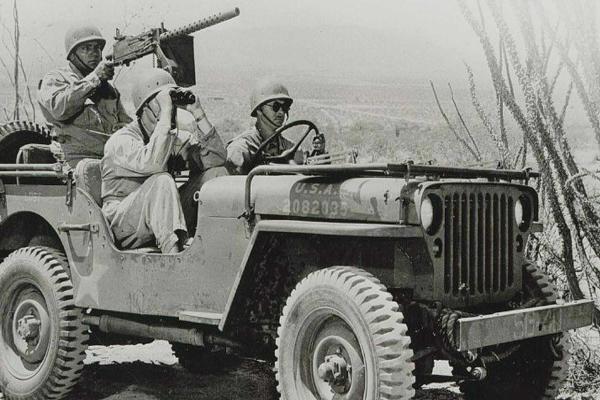
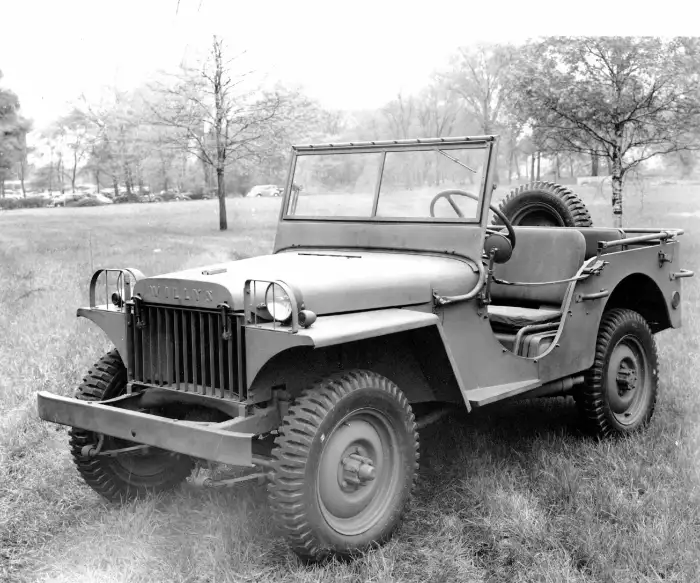
But it wasn’t until the 1920s that the U.S. Navy saw its potential. By WWII, radar was helping win battles, and decades later, it started saving lives on the road. In 1999, Mercedes-Benz introduced radar-based adaptive cruise control with its S-Class, paving the way for the driver-assist systems we rely on today. And what about the SUV? If you love driving your Jeep Wrangler, you have the U.S. Army to thank. Back in 1940, they needed a tough, lightweight vehicle for reconnaissance. Bantam, Ford, and Willys-Overland answered the call, and while Bantam created the prototype, Ford and Willys took over production.
That's how the original Jeep was born, a rugged military workhorse that evolved into the modern SUV. The computers running your car’s engine, climate control, and even your infotainment system also have military roots. During WWII, the War Department funded the development of ENIAC, the first programmable computer. It was massive—30 tons of vacuum tubes and relays—but it laid the groundwork for the microprocessors in today’s cars.
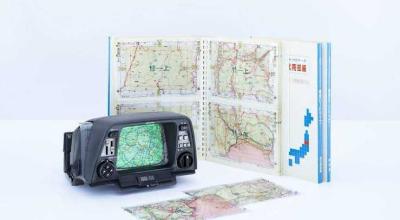
The first to use one? Volkswagen pioneered the electronic fuel injection system in the 1968 Model 3. Then there’s GPS, which started as a Cold War innovation. After the Soviets launched Sputnik in 1957, American scientists figured out how to track it using radio signals and precise atomic clocks. This led to the NAVSTAR GPS system, which became fully operational by the 1990s. By then, the first car with optional GPS navigation, the Mazda Eunos Cosmo, was already on the road.
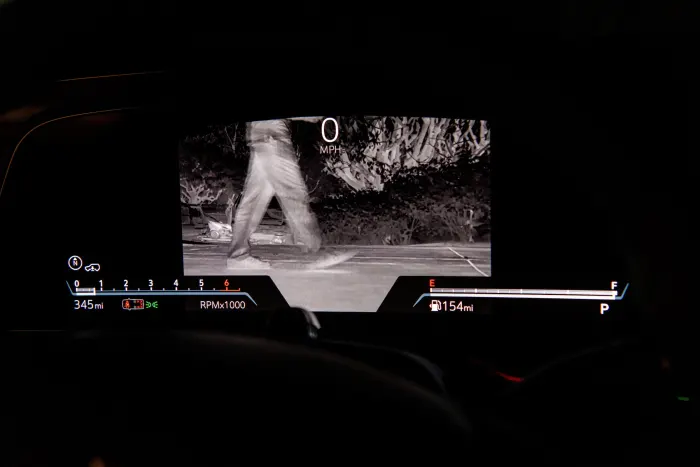
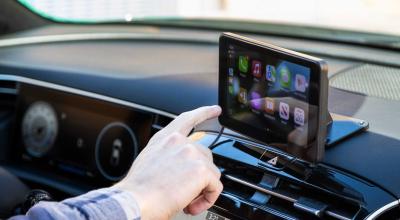
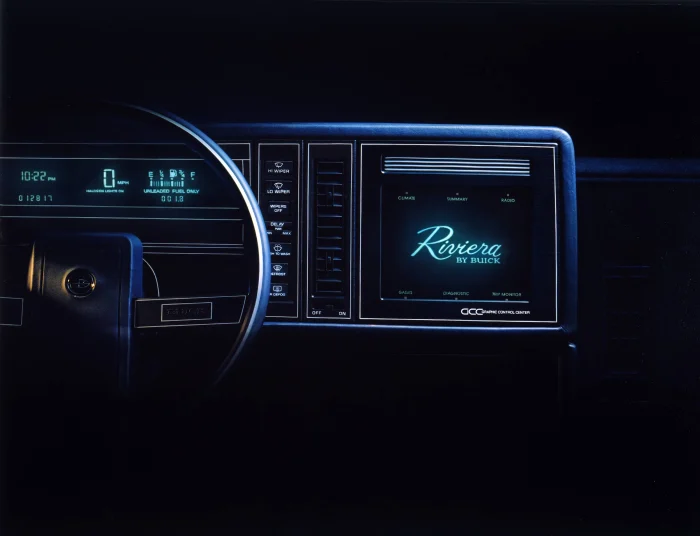
Now, we can’t imagine driving without it. Even touchscreens, a staple in modern cars, got their start in military research. In the 1960s, Britain’s Royal Radar Establishment developed the first touchscreen technology for air traffic control. Fast forward to today, and it’s become the centerpiece of your car’s dashboard, connecting you to maps, music, and more. Night vision? Another military-to-civilian success story. In WWII, the Germans developed clunky technology, but by the Vietnam War, the U.S. had refined it for field use.
Today, it helps drivers spot hazards in the dark, first introduced in cars with the 2000 Cadillac DeVille. Even those iconic aviator sunglasses have military roots. They were born in the 1930s when a test pilot named Shorty Schroeder suffered frozen eyes after flying at high altitudes. His buddy, Lt. John Macready, teamed up with Bausch & Lomb to design lightweight glasses that reduced glare.
The result? Ray-Ban Aviators, now a style staple. It’s fascinating to think about how so many of these innovations started on the battlefield but ended up making our lives easier, safer, and a little more stylish. Next time you’re behind the wheel, wearing your aviators and following GPS directions, take a moment to appreciate how military ingenuity has shaped the modern driving experience.