Protect Your Alloys: The Ultimate Guide to Locking Wheel Nuts

by AutoExpert | 21 March, 2025
What exactly are these things?
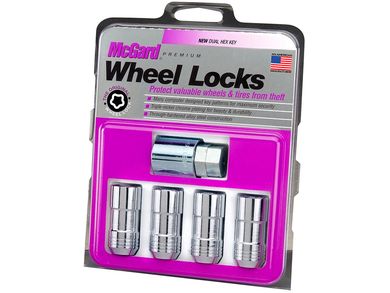
If your car's rocking alloys, chances are it came with locking wheel nuts straight from the factory. Each set includes four special nuts and one matching 'key' – basically a fancy socket with a unique pattern that fits your nuts. Well, sort of unique. Manufacturers actually use a limited number of patterns, so there are definitely other drivers out there with keys that'll fit your wheels too.
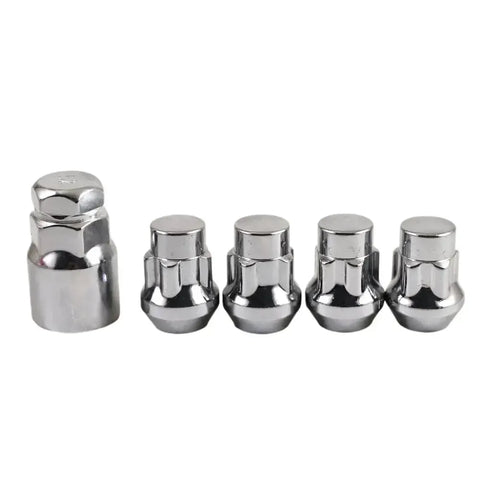
Don't have locking wheel nuts? No worries. You can pick up a set pretty easily from your car's manufacturer, auto parts stores, or just order them online.
The beauty is you only need one locking nut per wheel – it replaces one of your regular wheel nuts and acts as a decent theft deterrent. Thanks to these little security devices becoming standard, wheel theft isn't nearly as common as it used to be.
But here's the catch – wheel thefts from premium cars might actually be on the rise again, despite all these locking nuts. Why? Because determined thieves with the right tools and a few minutes can beat most locking wheel nut systems.

With alloy wheels getting fancier (and pricier) by the day, there's another factor driving wheel theft: those PCP finance deals everyone's on these days. If you damage wheels on a car you're leasing, you're looking at potentially thousands in repair costs when you hand the keys back. No surprise some folks might turn a blind eye when offered suspiciously cheap "second-hand" replacements online.
When good wheel nuts go bad
The real headache with locking wheel nuts often isn't theft – it's losing that precious key. And of course, you typically discover it's missing at the worst possible moment, like when you're stranded roadside with a flat tire you suddenly can't remove.
The good news is that breakdown services, tire shops, and mechanics can usually remove a locking nut without the key fairly easily, and without damaging your wheels.
You might be tempted to try removing them yourself with special removal tools available online or at auto parts stores. Fair warning though – this is risky business. Without professional tools and know-how, you're likely to damage both the wheel and the nut, potentially making removal even harder and more expensive in the long run. Sometimes it's just worth calling in the pros from the start.
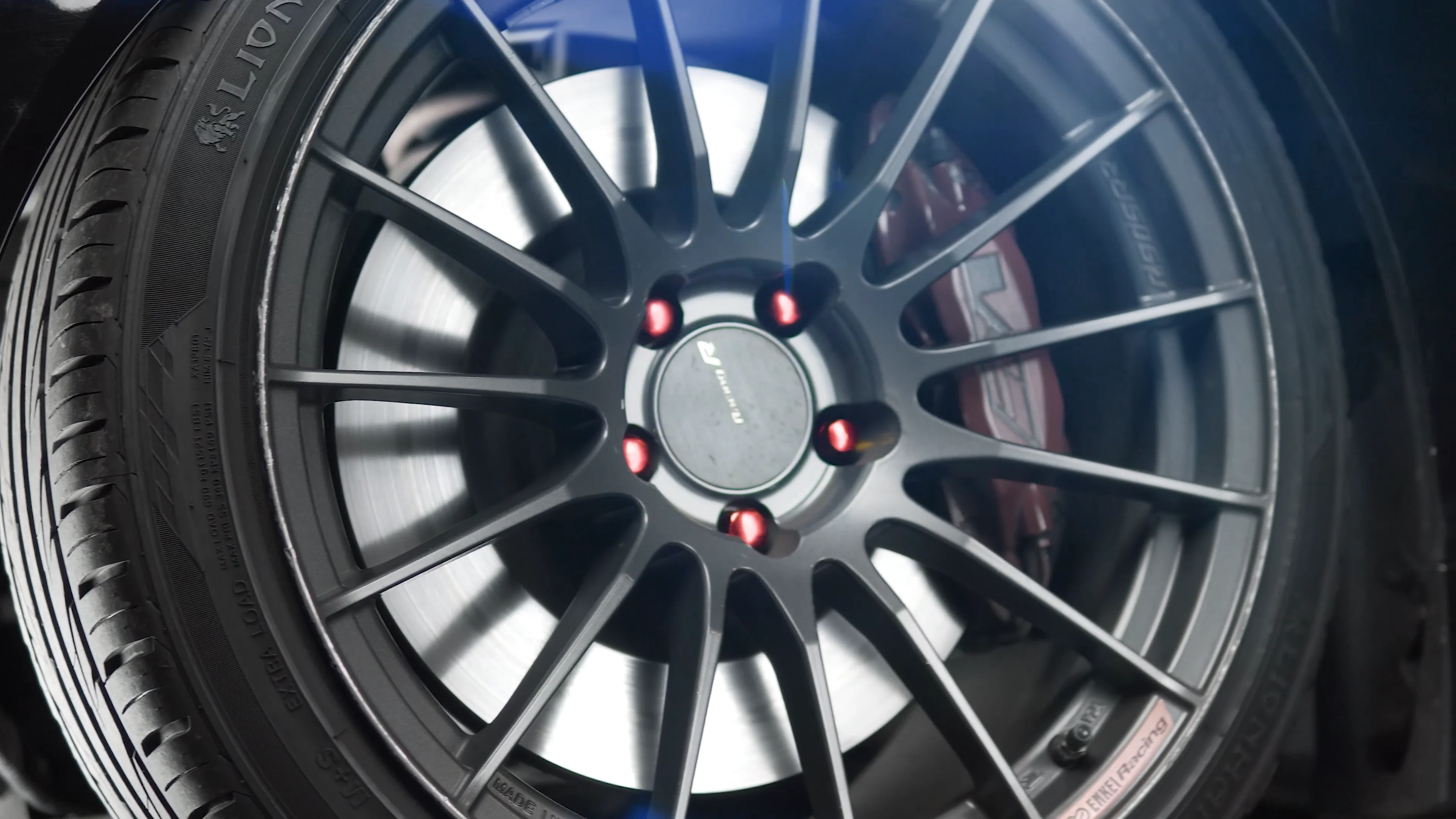
The different flavors of locking wheel nuts
There are three main types you'll come across:
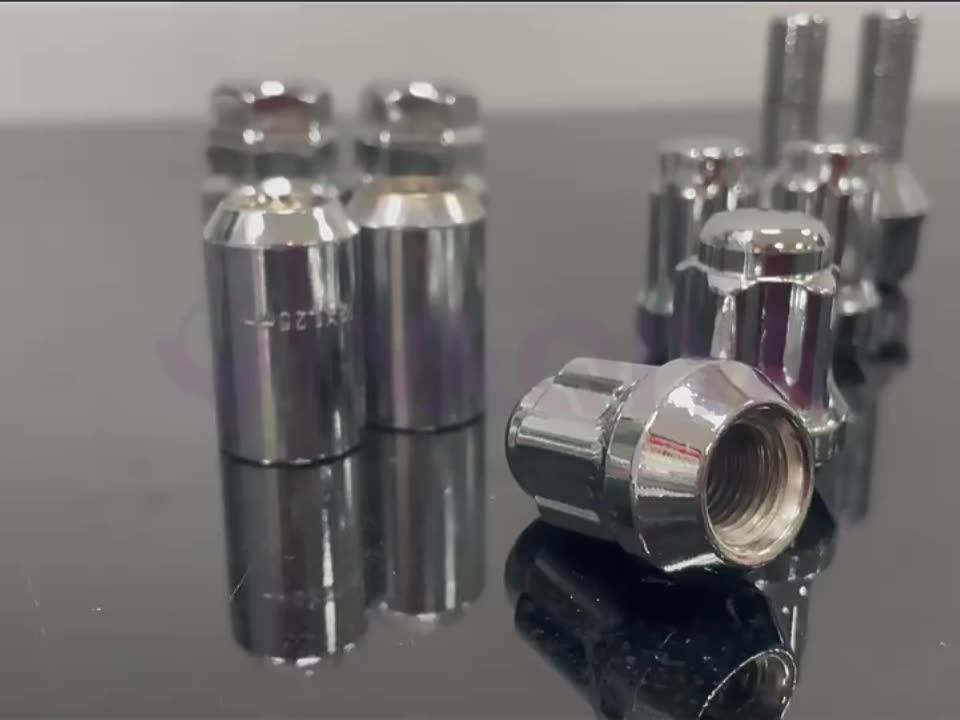
- The most common type has a specially keyed head that needs a matching socket to undo it.
- Some have a rotating collar around the nut that spins freely, making it impossible to grip without the proper key.
- Cars with wheel bolts instead of nuts often use a variation where the bolt head is designed to shear off completely if someone tries removing it without the proper tool.
"Help! I can't find my wheel nut key!"
If you haven't used your locking wheel nut key since buying your car, it's probably still hiding wherever the manufacturer stashed it. Here are the usual suspects:
- The glove box (first place to check)
- Under the boot floor with the spare tire or repair kit
- In storage compartments in the sides of the boot
- Under the seats or in door bins (if someone moved it)
Bought a used car and coming up empty-handed? The previous owner might have lost the key and "forgotten" to mention it. Shocker.
Breaking up with your locking wheel nut
There are DIY tools out there for removing locking wheel nuts without the key, but they're hit or miss. Places like Halfords sell special reverse-threaded sockets that bite into the nut to grip it tight enough for removal. These can work, but even Halfords admits they work best with a compressed air hammer – not exactly standard garage equipment for most folks.
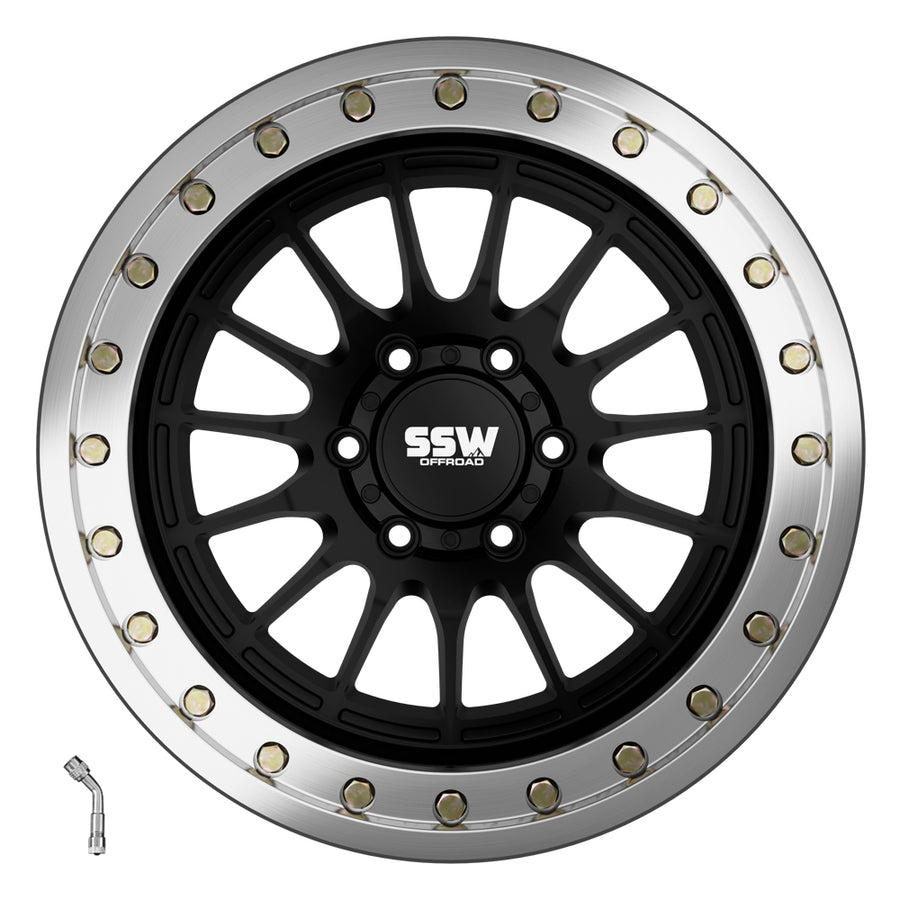
The other DIY approach is drilling out the wheel nut entirely. Again, possible if you know what you're doing, but most people are better off letting the garage handle it.
Most repair shops have the tools and experience to remove stubborn locking wheel nuts. The cost varies, but expect to pay for up to half an hour of labor per wheel. And yes, that bill will likely climb if you've already had a go at it yourself and made things worse.
Getting a replacement key
Lost your key or found it damaged? Your first stop should be your local dealer. You'll need a security code that's usually in your car's handbook, on the original locking wheel nut packaging, or on a separate card (often alongside your radio code).
Can't find the code either? There are specialist companies who can match your key pattern from a photo showing the shape of your wheel nut. Since manufacturers only use a limited number of patterns, they can usually identify the right one fairly quickly. Just be prepared to prove you actually own the car – they'll often want to see your V5C logbook to make sure you're not up to no good.