NYC Congestion Pricing: Faster Commutes, Fewer Cars, Big Wins
by AutoExpert | 22 April, 2025
The numbers are in for New York City's controversial congestion pricing program, and surprisingly, almost everyone's winning. After 100 days, the city's first-in-the-nation traffic toll is showing impressive results that few predicted.
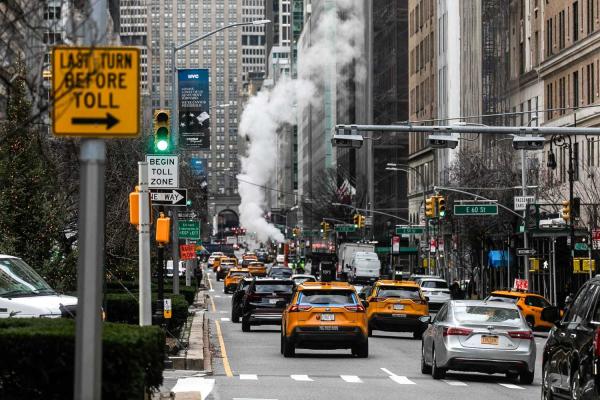
Even the drivers who still commute into Manhattan are benefiting. With fewer cars clogging the streets, commute times have plummeted. The Holland Tunnel has seen delays drop by a whopping 65%, with travel times nearly cut in half. Delivery drivers are finishing routes faster, and doctors report fewer late patients.
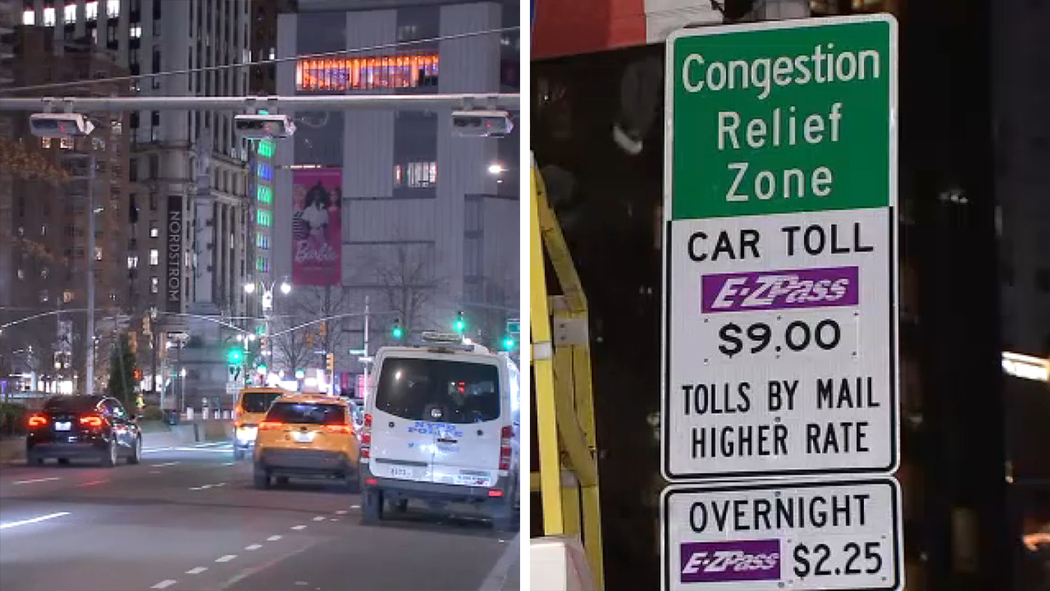
The most unexpected twist? The people who support the program most strongly are actually those who drive into the congestion zone regularly. They're experiencing firsthand how much better driving in Manhattan has become with lighter traffic.
For city residents, the benefits extend beyond faster commutes. Honking complaints have plunged 70% compared to last year. Traffic injuries within the zone have dropped by half. There are about 80,000 fewer cars entering lower Manhattan each day, totaling 6 million fewer vehicles in just over three months.
Public transportation is seeing gains too. Metro-North ridership jumped by 300,000 (8%) year-over-year in January, with similar increases on NJ Transit and the LIRR after the program launched on January 5th.

The program is projected to generate $500 million profit this year, with funding already allocated for specific improvements. The Essex Street station is finally getting elevators, the Second Avenue subway expansion is moving forward, and 265 new electric buses have been ordered.
Despite continued opposition from some politicians and skeptics who don't live in the city, MTA Deputy Chief Juliette Michaelson says they've stopped closely monitoring the program's performance: "It's sort of been incorporated into the fabric; we don't talk about how the program is doing much anymore. The numbers continue to look good."

With cleaner air, improved quality of life, faster commutes, and steady business activity, New York's congestion pricing experiment appears to be that rare policy that delivers on its promises.