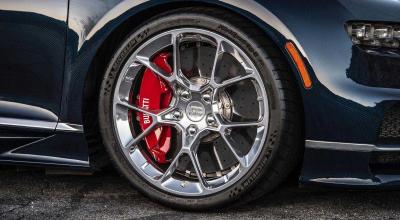
Modern Car Wheels: More Than Just Style, It's Science!
by AutoExpert | 3 April, 2025
Remember when car wheels were just... wheels? Those days are long gone. One look at modern vehicles reveals a dizzying array of intricate wheel designs that might leave some people wondering if automotive designers have gone completely overboard.
Back in the day, most cars rolled off the assembly line with simple steel wheels built for durability, not drama. Hubcaps handled the style department, even on fancy luxury rides. Sure, there were exceptions, but even when aluminum wheels became all the rage in the '80s, the designs stayed relatively straightforward.
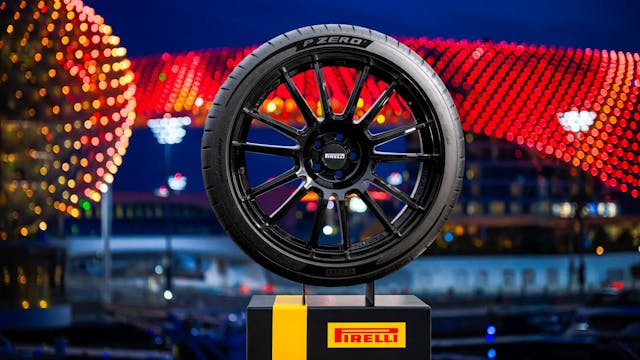
Fast forward to 2025, and it's a whole different ballgame. For every basic five-spoke wheel, there's a dozen alternatives featuring enough spokes, edges, pockets, angles, spinners, holes, fake bolts, and geometric patterns to make your head spin faster than the wheels themselves.
Is this just another example of car design going completely off the rails? Can't we go back to clean, simple wheels that don't look like they were designed by someone having a geometric fever dream?

Well, there's actually more science than madness behind those complex designs. Marc Mainville, who serves as Senior Design Manager at GM's Performance, Motorsport, and Accessories studio, shed some light on why today's wheels have evolved beyond simple circles with spokes.
"I don't know that the design is intended to be more complex, but there are definitely more elements that weigh into designing a wheel than there were in the past," Mainville explained. "Say you had a simple five-spoke. They may have said 'Okay, yeah, it looks like it will be strong enough,' and they'll make it and go run it on a track, and everyone was happy. Now we can do virtual testing, virtual aero testing, material analysis."

These sophisticated tools have given designers at the PMA studio far more freedom to push the boundaries of wheel development. But that doesn't necessarily mean making things complicated just for the sake of it—modern wheels need to juggle safety, performance, and efficiency along with looking cool.
"A wheel and a tire together can affect roughly 10 percent of the overall aero count of a vehicle," Mainville pointed out. "Whereas before, that wasn't so important, nowadays when we're looking for as much efficiency as possible for electric vehicles, for high-performance vehicles, that's part of the equation where maybe we didn't pay as much attention before."

This explains all those wheels with various inserts and flat sections that might seem purely aesthetic but are actually pulling double duty to improve aerodynamic efficiency while still looking stylish.
Brake cooling has always been part of the wheel design equation, but virtual development now allows designers to get incredibly specific—and creative—with shapes that maximize cooling while balancing other factors.
"The engineers will tell us, 'We need this much surface area open for brake cooling,' so we'll do our favorite design we're in love with, then run it through the computer and find out we've got to increase the vent area a little bit. Or maybe we're overachieving, we've got to shrink it down some. One thing we do for aero performance will offset the weight. Something that offsets weight may offset stiffness. It's like you have the wheel in the middle, and all these things are tugging in different directions. What's the right balance?"
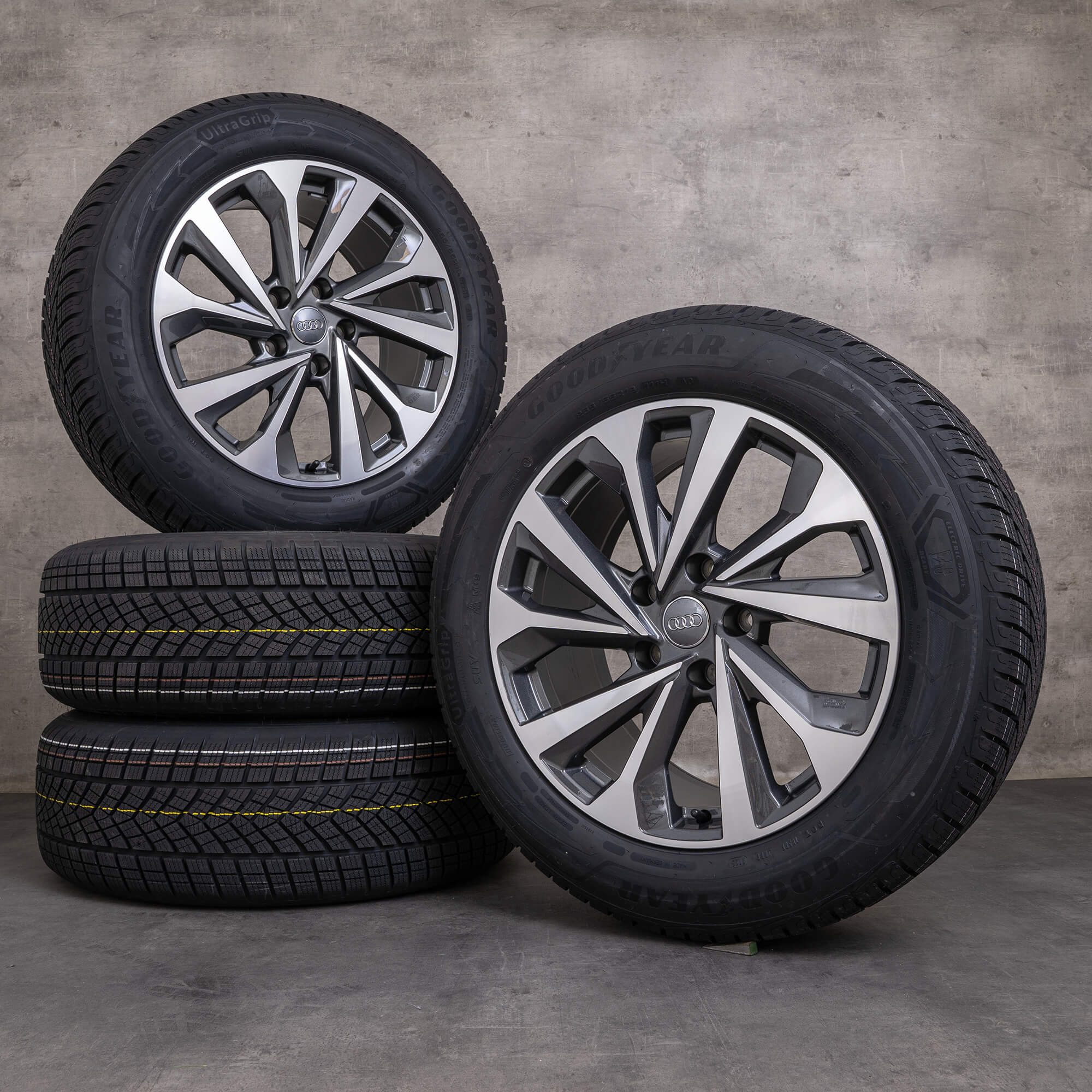
Finding that sweet spot has become easier thanks to the expanding menu of materials and finishes now available. Gone are the days when the only choices were steel or aluminum. Maybe the fancy wheels got painted or polished, or in the case of steel wheels, treated with primer to fight rust before slapping on wheel covers.
These days, lightweight alloys and carbon fiber have blown the doors open on what's possible, including those larger-diameter wheels that showroom browsers tend to love but hardcore performance enthusiasts typically hate. The good news: at least within GM's PMA department, performance always factors into wheel designs.

"[Engineers] will give us requirements," said Mainville. "Stiffness value has to be this high, or mass has to be this low. They might emphasize mass because we're trying to reach a certain MPG number. Or they might say this is going to be doing high-speed laps at a race track, so stiffness is important. That might encourage us to use different materials."
The expanded material palette has been particularly valuable for the Corvette, which received GM's first carbon fiber wheel. According to Mainville, carbon fiber allows for the larger sizes that catch people's eyes, while the reduced weight means performance doesn't take a hit. Plus, larger wheels create space for bigger brakes.

But these advancements in technology and materials aren't just benefiting performance cars like the Corvette. Designers can work with less exotic materials to create bigger wheels for vehicles like the Suburban, which now comes with factory 24-inch wheels—and based on real-world experience, drives surprisingly well with them.