
A Leaking Door Lock Can Keep an Old Mercedes Diesel Running

by AutoExpert | 19 October, 2026
On a Mercedes W123 diesel, a vacuum leak can prevent the engine from switching off. The central locking uses the same vacuum supply, so a leaking door-lock circuit can affect engine shutdown. It is one possible cause, rather than proof that the locks are responsible.
Turn the key, pull it out, and the engine carries on idling.
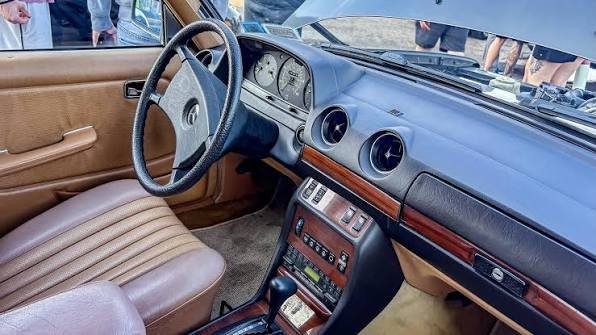
For someone new to an old Mercedes diesel, this is a peculiar introduction to ownership. The key is in your hand. The car appears entirely untroubled by its absence. You could almost admire the determination if you were not trying to park.
The explanation begins with something a petrol engine needs and a diesel does not: an electrical spark to ignite its fuel.
On these older Mercedes diesels, switching off involves stopping the fuel supply through a vacuum-operated mechanism at the injection pump. Turning the key routes vacuum to the shutoff actuator. If that vacuum never arrives, the engine may continue running.
So far, that sounds like a problem confined to the engine bay. The surprise is how far away the leak can be.
The W123’s central locking also works by vacuum. A fault in that circuit can bleed away the suction needed elsewhere, including at the engine shutoff. Mercedes specialist Kent Bergsma identifies door-lock leaks as a common culprit on this chassis.
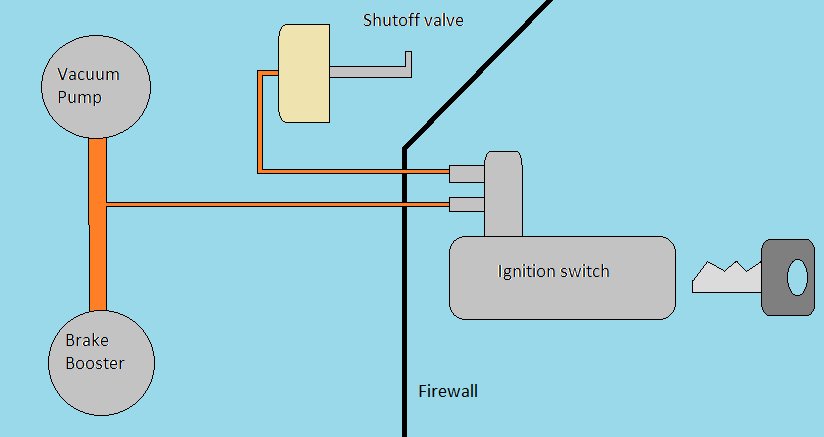
This makes the locks worth mentioning when the car goes in for diagnosis. Perhaps they have become reluctant to operate, or stopped working around the same time the engine began refusing to switch off. Two apparently unrelated annoyances may belong to the same repair.
It also changes the shopping list. An owner who assumes the shutoff actuator has failed could replace it and discover that the real problem is still leaking quietly inside a door.
A proper investigation follows the vacuum supply and checks whether the relevant components hold vacuum. Bergsma’s W123 guidance calls for a hand-operated vacuum tester, which lets individual parts of the system be tested instead of condemned on suspicion.
Loose connections, deteriorated fittings, an actuator fault or a problem with the vacuum source can produce similar symptoms. The door locks provide a useful clue, not a universal answer.
This connection should not be applied casually to every Mercedes with central locking, either. It concerns the system fitted to these older cars; a much newer diesel needs its own diagnostic approach.
There is something rather characteristic about the W123 hiding this particular complication beneath its solid, reassuring exterior. The engine may be perfectly willing to stop. The message just has not reached it, possibly because a door lock is leaking.