
McLaren F1: Gordon Murray's Legendary Supercar & Its Successor
by AutoExpert | 29 July, 2025
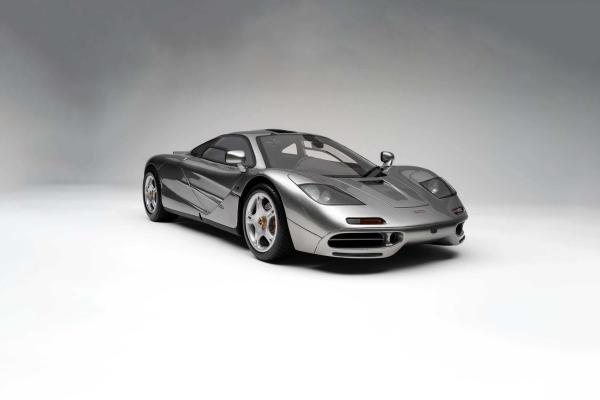
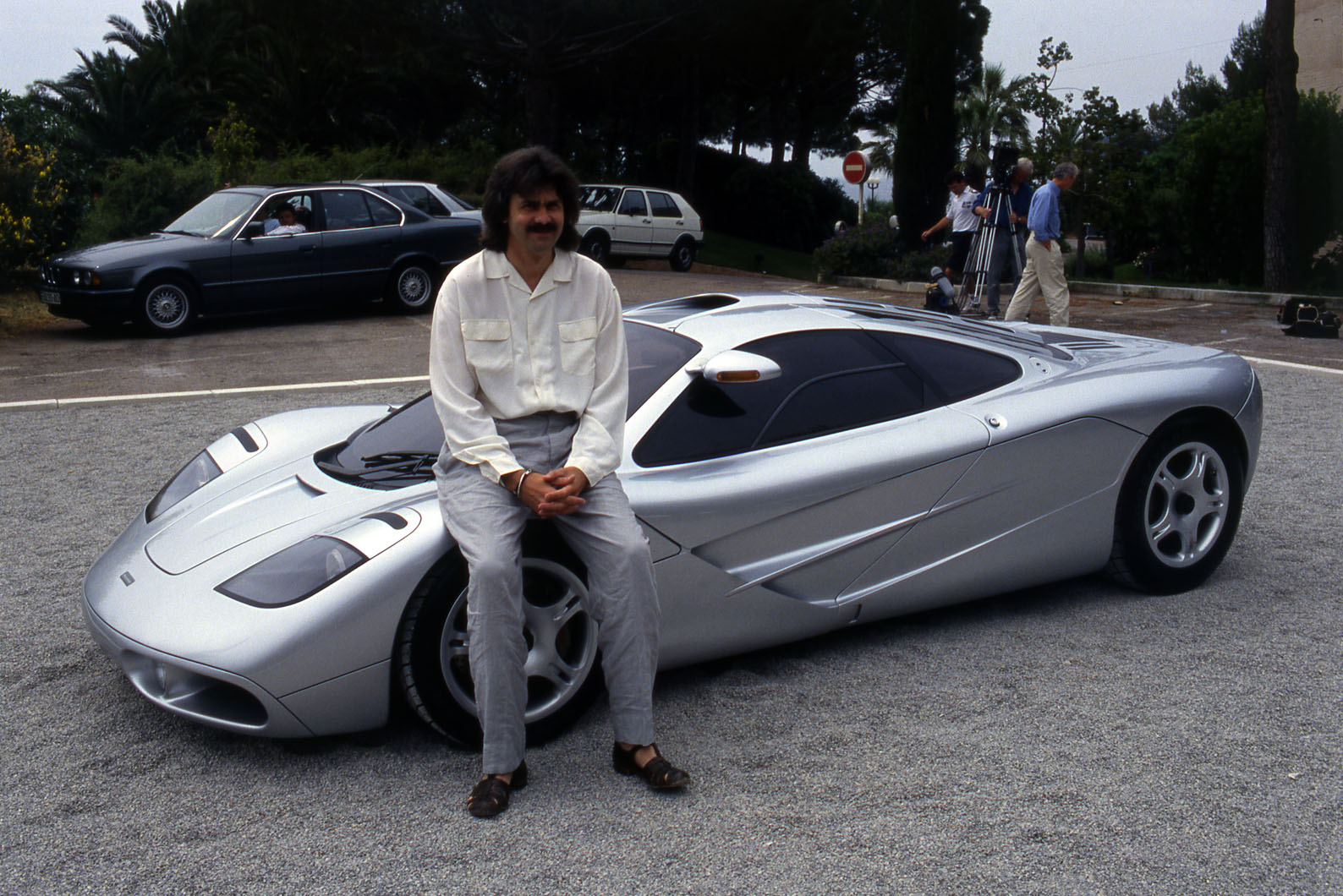
Back in 1992, Gordon Murray dropped something on the automotive world that basically made every other supercar look like a grocery getter. The McLaren F1 didn't just raise the bar - it launched the bar into orbit and forgot where it landed.
While everyone else was still figuring out how to make their cars go fast, Murray's creation was already doing 243 mph and making it look effortless. The Porsche 959? Cute. The Ferrari F40? Nice try. The F1 was playing a completely different game.
The Engine That Started It All
Murray didn't mess around when it came to the heart of his machine. After test-driving everything from Ferrari to Lamborghini, he even considered some oddball Isuzu V12 that was supposed to be Formula One material. But that thing was about as heavy as a small planet.
The real lightbulb moment happened during a trip to Honda's tech center in Japan with Ayrton Senna. Murray got behind the wheel of the NSX and had one of those "aha" moments. The way that car felt, how it talked to the driver - that's what he wanted to capture in his own creation.
Honda wasn't interested in building him a custom engine, so Murray knocked on BMW's door instead. Lucky for him, Paul Rosche was running the show there - the same genius behind the E30 M3 and M1 engines. Rosche said yes, and the result was the legendary S70/2 V12 that made 618 horsepower and weighed almost nothing.
The whole package came together at just 2,513 pounds. That's lighter than most modern sports cars, and this thing was packing serious heat under the hood.
Le Mans Glory
In 1995, McLaren decided to see what would happen if they threw some F1s at the 24 Hours of Le Mans. They slapped on roll cages, racing seats, and a big wing, then sent them out to play with the big boys.
What happened next was basically automotive poetry. Not only did the F1 GTR win the whole damn race, but McLarens filled four of the top five spots. In the rain, no less. While the purpose-built prototypes were sliding around like they were on ice, the F1s were dancing through the corners like they owned the place.

Murray's New Toy
These days, Murray's running his own show with Gordon Murray Automotive, and he's built what he calls the spiritual successor to the F1 - the T.50. It's got that same central driving position, weighs even less at 2,174 pounds, and packs a screaming 3.9-liter V12 that revs to over 12,000 rpm.
But here's the cool part: Murray fixed all the little annoyances from the original F1. The air conditioning actually works now, the headlights don't suck, and there's somewhere to put your stuff.
The really wild bit is the fan on the back. Remember that crazy Brabham F1 car from 1978 with the giant fan that got banned because it was too good? Murray brought that idea back for the T.50. The fan can spin at 7,000 rpm and create over 1,000 pounds of downforce when it's going full tilt.

The Dream That Should Happen
Here's where things get interesting. Murray's also built a track-focused version called the T.50 Niki Lauda that makes 725 horsepower and weighs just 1,878 pounds. The guy's pushing 80 years old, but imagine if he decided to take this thing back to Le Mans for one more shot at glory.
Sure, beating the modern hypercars for an overall win would take a miracle. But just imagine if the T.50 could school the LMP2 cars and the entire GT3 field. That would be the kind of statement that legends are made of.
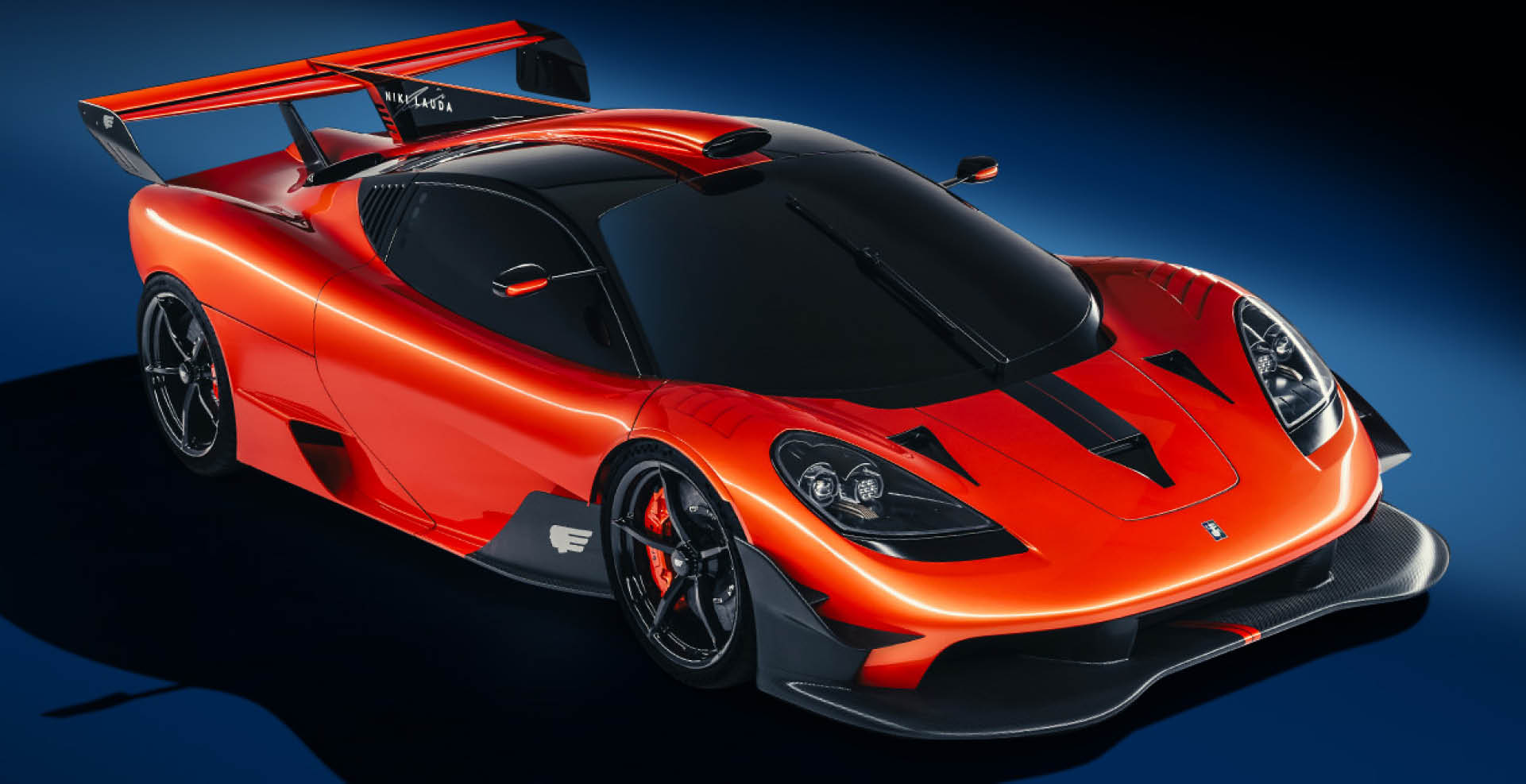
Until that happens (and please, Gordon, make it happen), the 33-year-old McLaren F1 still holds the crown as the fastest naturally aspirated car ever built. In a world where everything's getting turbocharged and electrified, that BMW V12 screaming to its 7,500 rpm redline is becoming something truly special.
Some records are meant to be broken. Others are meant to remind everyone else how it's really done.