Lotus Etna: The Lost 80s Supercar That Time Forgot
by AutoExpert | 15 August, 2025
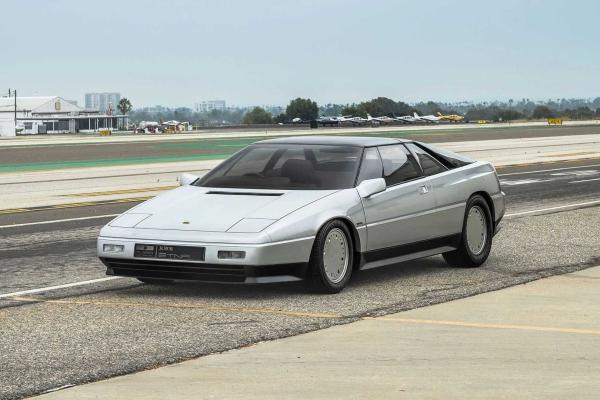
Back in the mid-1980s, Lotus was working on something special. The Etna concept car wasn't just another pretty face at motor shows – it was packed with cutting-edge tech that could have made it the ultimate supercar of its era.
This thing was seriously impressive. The wedge-shaped body came courtesy of Italdesign, housing a thunderous four-liter V8 that cranked out 335 horsepower. That might not sound crazy by today's standards, but back then it was serious business. Plus, the Etna weighed over 1,000 pounds less than Ferrari's Testarossa, which would have made it an absolute rocket on both road and track.
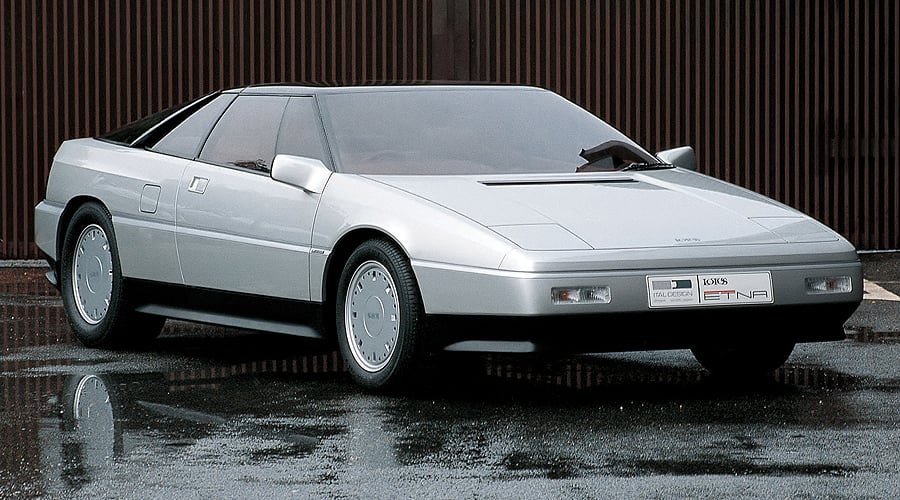
The real party trick was the active suspension system borrowed from Lotus's Formula 1 program. Computer-controlled hydraulics could adjust ride height, pitch, and roll on the fly – technology so advanced that F1 eventually banned it. This wasn't some pie-in-the-sky concept either. The car had a proper drivetrain and was meant to be Lotus's first real grand tourer.
So What Went Wrong?
Timing, mostly. The early 1980s were brutal for the car industry. The Iranian Revolution had sent gas prices through the roof, America was dealing with the savings and loan crisis, and a global recession had people tightening their belts. Lotus sales tanked, and the company was still reeling from founder Colin Chapman's sudden death in 1982.

When General Motors bought Lotus in 1986, the Etna project got the axe. GM shelved the innovative V8 engine program and the radical supercar concept, eventually scrapping both entirely. Only two of those special V8 engines were ever built, and just one Etna exists today.
From Shed to Showroom
For fourteen years, the only Etna sat forgotten in a storage shed at Lotus's headquarters. In 1998, it finally saw daylight again when Lotus sold it to collector Olav Glasius. What everyone thought was just a non-running display model turned out to be a complete, functional car.

After a thorough restoration (the fancy active suspension got swapped for more reliable Esprit parts), the Etna became driveable again. Now it's heading to auction at Broad Arrow's Monterey sale, where experts expect it to fetch between $250,000 and $400,000.

It's wild to think about what might have been. The Etna could have kicked off Britain's hypercar era nearly a decade before the Jaguar XJ220 or McLaren F1. Instead, it remains a fascinating glimpse into an alternate automotive timeline where Lotus beat Ferrari at their own game.