
Lane Filtering: The States Where It's Legal (And Why)
by AutoExpert | 25 August, 2025
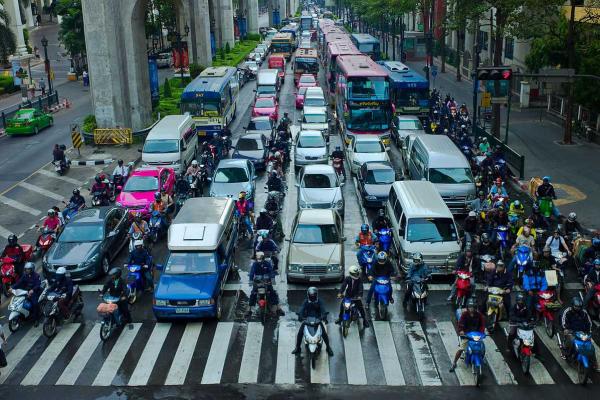
Picture this: sitting in bumper-to-bumper traffic on a motorcycle, watching all that empty space between cars just begging to be used. In most states, that's just a cruel tease – lane filtering is still illegal pretty much everywhere. But things are slowly changing.
Minnesota just joined the club in July 2025, letting riders filter through traffic as long as cars are crawling under 25 mph and the motorcycle doesn't go more than 15 mph faster than everyone else. Not a bad deal for beating rush hour.

The Short List of Legal States
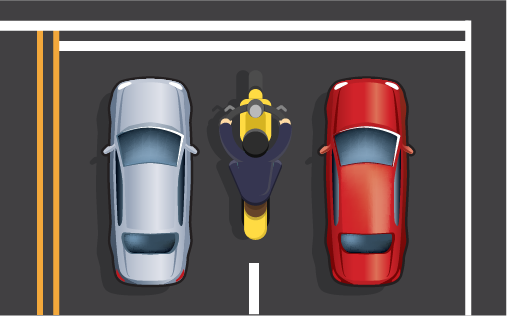
A handful of other states have already figured this out. Utah legalized it back in 2019 for roads with speed limits of 45 mph or less, capping motorcycle speeds at 15 mph while filtering. Arizona copied those rules in 2022, and Montana went a different route in 2021 – riders can pass cars going 10 mph or slower, but can't exceed 20 mph themselves.
Colorado jumped in last August, allowing filtering between stopped cars with a 15 mph limit and a $100 fine for breaking the rules. Then there's California, the overachiever of the bunch, which allows full lane splitting – meaning motorcycles can zip between moving traffic lanes at any speed. They're still the only state brave enough to go that far.
Why Allow It at All?
At first glance, letting motorcycles cut in line seems unfair. But there's actually some solid reasoning behind it. Less traffic congestion for everyone is the big one – when bikes filter up front, there's more space at the back of the line.
Safety data backs it up too. Colorado cited studies showing motorcyclists are 43% less likely to get rear-ended when lane splitting. California's motorcycle fatalities have dropped since legalizing the practice. Research from other countries shows similar results – one study found riders were seven times more likely to get hit while sitting still compared to filtering through traffic.
The Flip Side
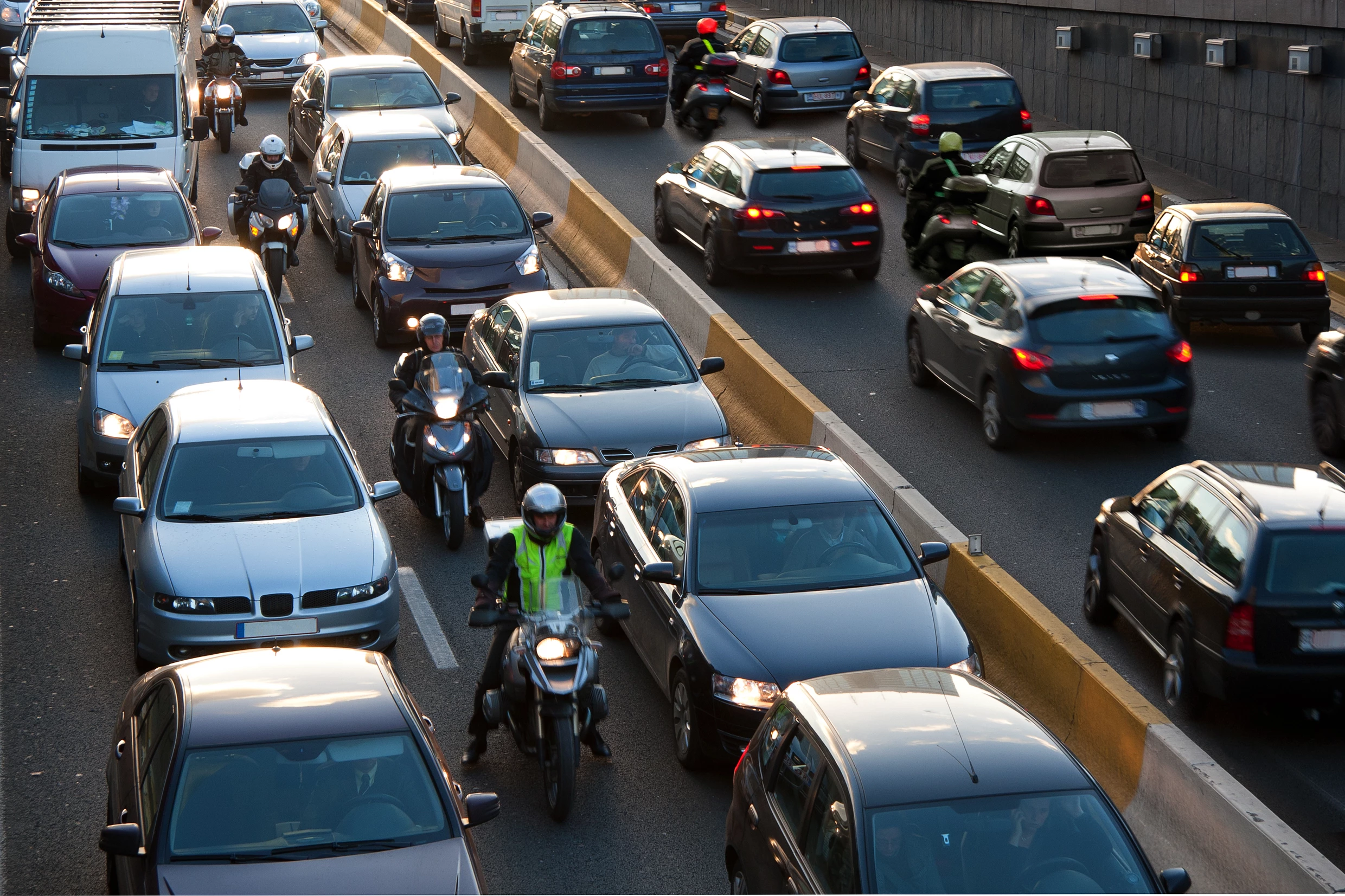
Not everyone's convinced, and for good reason. While rear-end crashes go down, motorcycles are more than twice as likely to rear-end other vehicles when filtering. Side-impact crashes increase too, though these tend to be less fatal than getting smashed from behind.
There's also the practical stuff – lanes were designed for one vehicle, not a car plus a motorcycle squeezing through. American cars keep getting wider, making that squeeze even tighter. Motorcycle safety courses preach maintaining a "safety cushion" around the bike, but filtering tosses that advice out the window.
And plenty of drivers just don't like it. Even in California, where it's been normal for years, a 2014 UC Berkeley study found that about 61% of non-riders disapproved of the practice.
The Slow Spread
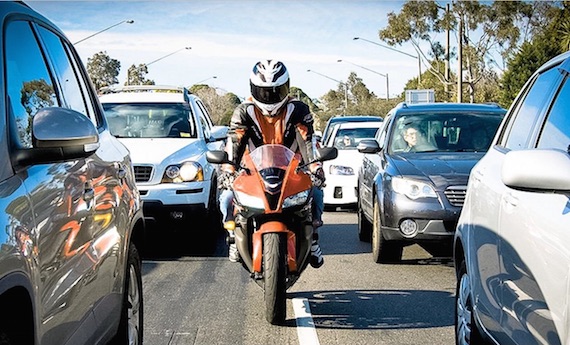
Lane filtering is gradually gaining ground, but don't expect a nationwide rollout anytime soon. It'll probably take more education about the benefits – and maybe some patience from car drivers – before more states jump on board. Until then, riders in most places are stuck playing by the old rules and sitting in traffic like everyone else.