
Is the Honda CR-V Worth It? 6 Reasons to Skip the Popular Crossover and One in Its Favor
by AutoExpert | 5 November, 2025
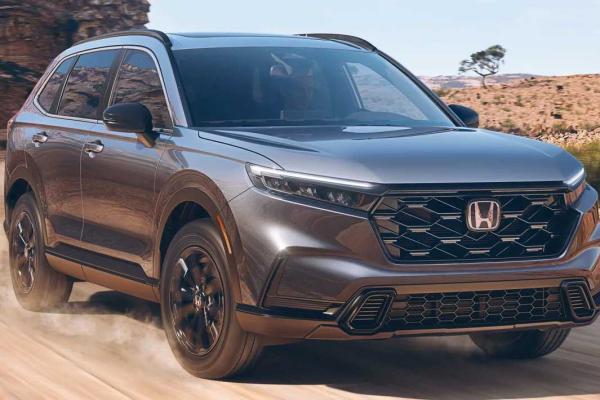
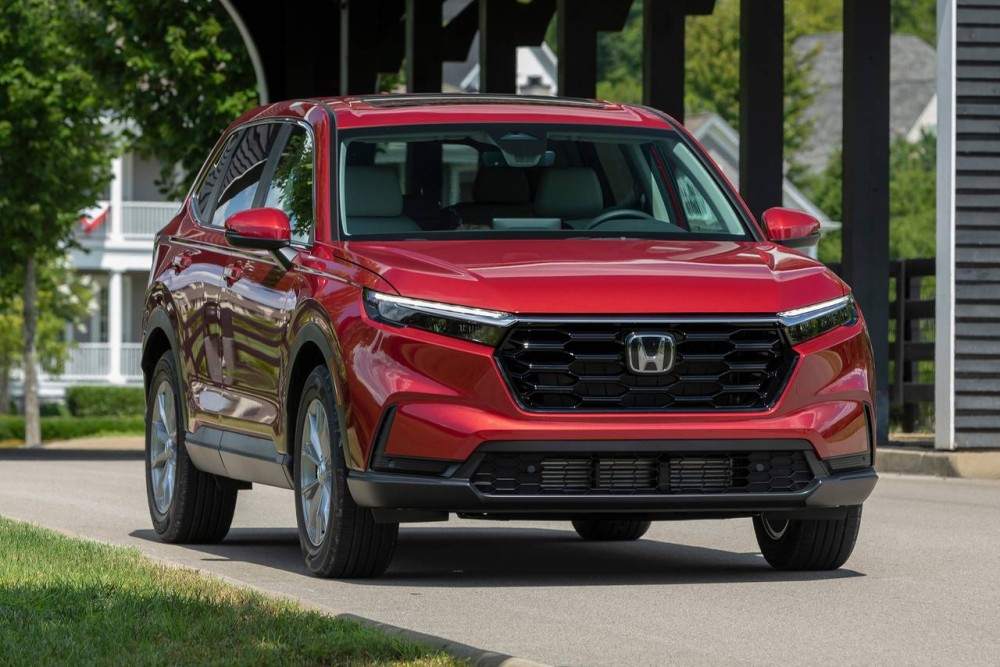
The CR-V's been a household name since the mid-'90s. It pretty much invented the whole small crossover thing—practical, reliable, good on gas. It's gotten bigger over time (wild fact: it's actually larger than the old Honda Passport used to be), picked up some fancier trim levels, and now there's a hybrid version too.
Thing is, just because everyone and their neighbor has one doesn't automatically make it the right pick. There are some legit reasons to pump the brakes.
1. The Inside Feels Cheap
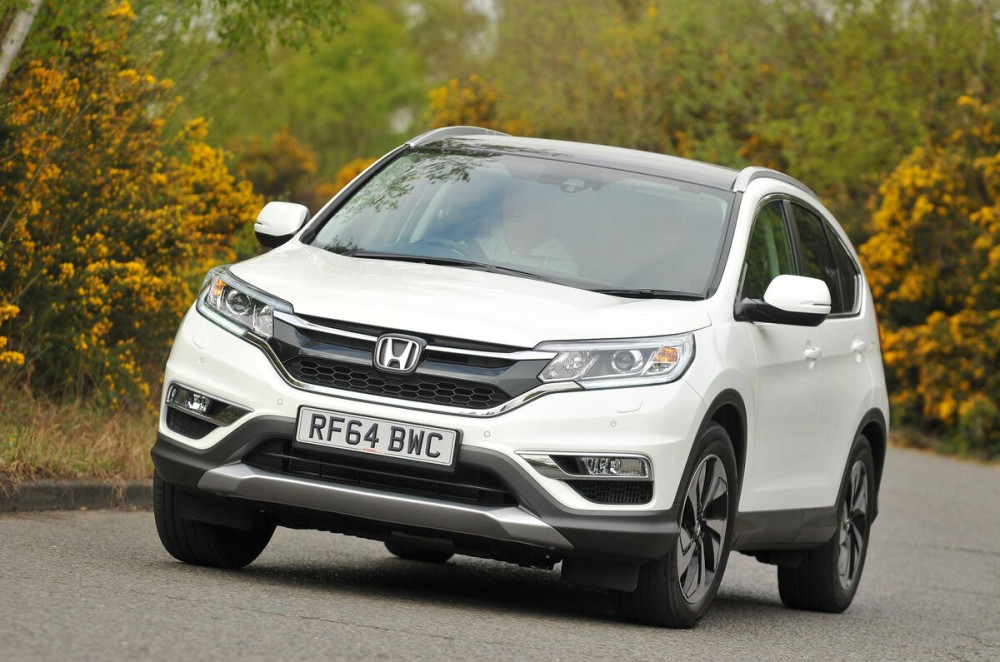
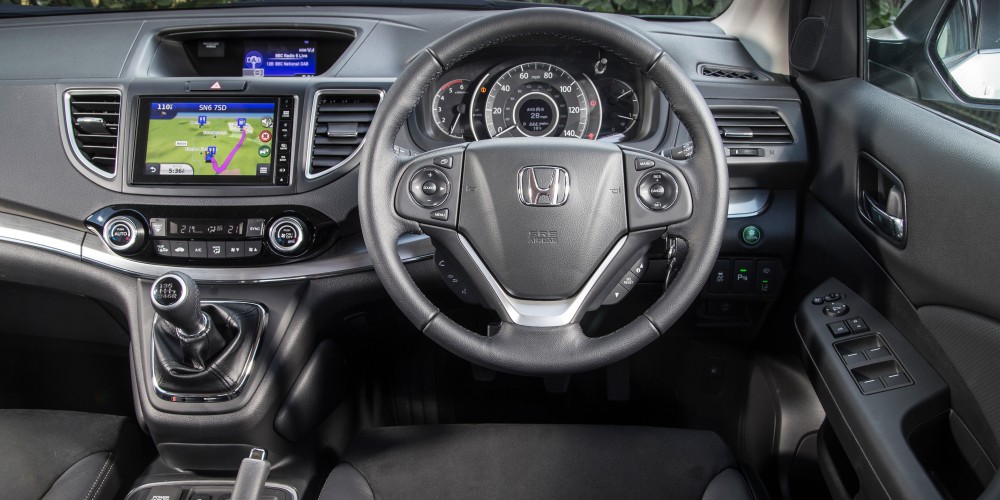
The cabin is plain. Really plain. Some folks actually prefer that over the screen overload happening in cars like the Tucson, but the CR-V pushes it too far. For 2026, they finally bumped up to a 9-inch screen and added a volume knob, but walk around touching stuff and you'll notice things. Panel gaps. Plastic that feels flimsy. Rough edges where there shouldn't be. Even the pricier models don't feel that special compared to what competitors offer for similar money.
2. It Needs More Power
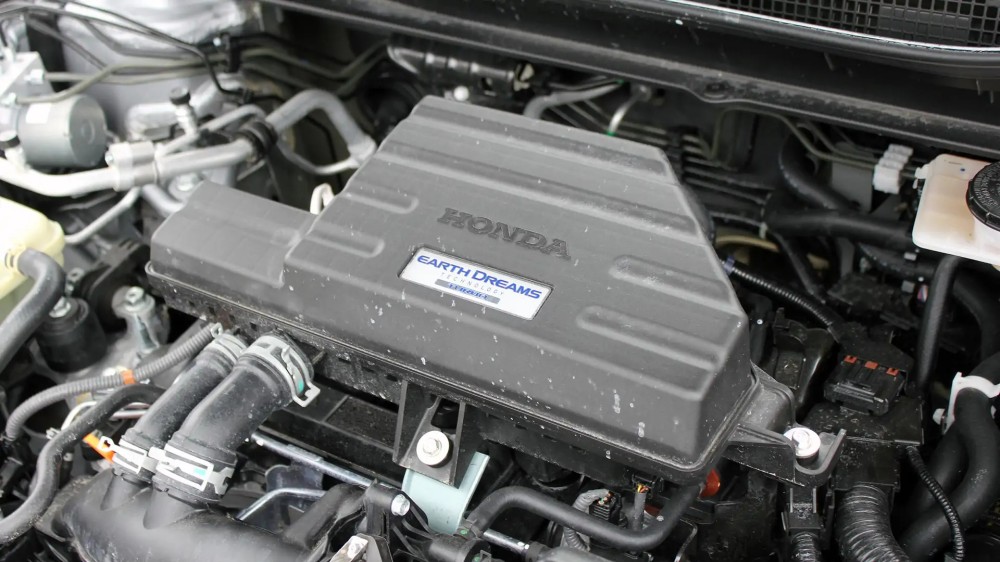
A 1.5-liter turbo engine with 190 horsepower is powering the CR-V, which is enough for cruising around town. Get on the highway and try to merge or climb a hill? The struggle begins. The CVT doesn't help; it just lets the engine rev super high and get loud. Zero to 60 takes 8.8 seconds, slower than the older CR-V somehow. The hybrid fixes this problem completely. More power, smoother, better mileage. That's the one to get.
3. The Ride's Too Stiff
It's not exactly uncomfortable, just has more firmness than needed. Handles decently enough, but drive a Subaru Forester back-to-back and you'll feel the difference immediately. The Mazda CX-5 also does a better job finding that sweet spot between comfort and handling.
4. Owners Don't Think It's Worth the Money
Survey data shows CR-V owners like driving it and find it comfortable, but they're disappointed with the value. When asked if they got their money's worth, they rated it lowest in the category. Doesn't help that prices keep going up, either. The base model jumped from $30,100 to $30,920 for 2026. Delivery adds another $1,395. The AWD EX went from $33,850 to $34,650. Compare that to 2023 pricing and it's a $2,000 increase in three years.
5. The Base Model Skips Important Safety Stuff
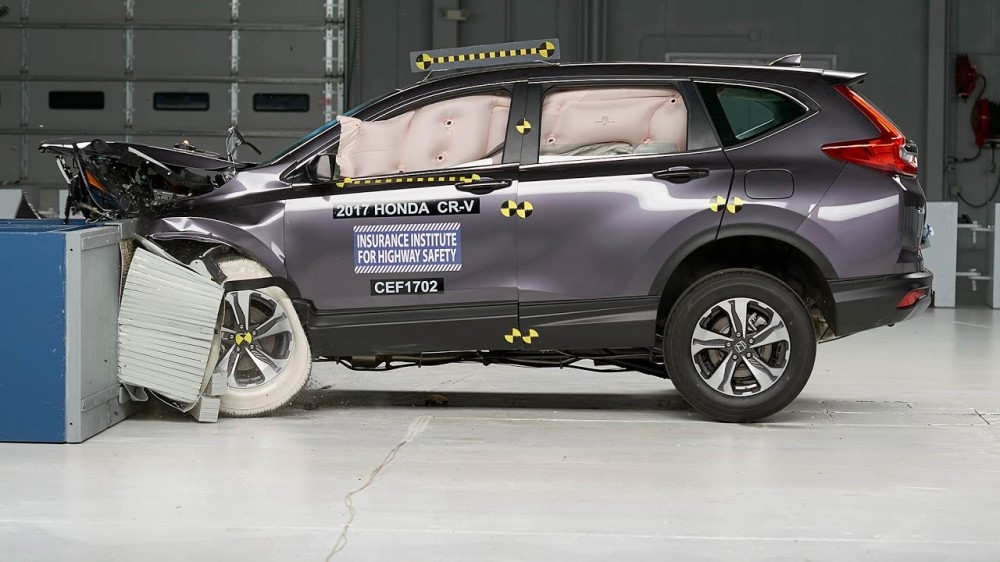
The cheapest LX trim still doesn't have blind spot monitoring or rear cross traffic alert. Both are pretty standard safety features at this point and actually useful for avoiding accidents. Every other trim level includes them, so there's really no reason to buy the base model. Just get the EX at minimum.
6. The New RAV4 Is Coming
Toyota's dropping a completely redesigned RAV4 this fall. Every version will be a hybrid or plug-in hybrid—they're ditching the regular gas engine completely. There are three different styles and seven trim levels, including a Woodland version that competes directly with the CR-V TrailSport Hybrid. If there's no urgent rush to buy, waiting a few months to see how the RAV4 turns out makes sense.
The Good: It's Not All Bad Though
The CR-V has solid interior space, particularly in the back seat where it beats most competitors. That simple interior design some people complain about? Others find it refreshing after dealing with overly complicated touchscreen systems in other vehicles.
The hybrid powertrain is genuinely excellent—smooth, powerful, efficient. It's up there with the best hybrid systems available. Only catch is it's limited to the higher trim levels: Sport, TrailSport, Sport-L, and Sport Touring.
There's also a tax benefit since both versions are built domestically. Buyers can deduct up to $10,000 in car loan interest on their taxes, and it stacks on top of the standard deduction. That benefit expires after 2028 though.
Bottom Line
The CR-V is a decent SUV that got better with the 2026 updates. But it's worth taking time to read detailed reviews, consider whether the hybrid premium is worth it, and maybe see what Toyota does with the new RAV4 before deciding. If going with a CR-V, get a 2026 instead of a leftover 2025, and the hybrid is worth the extra money if the budget allows for it.