
Is It Legal to Ride in a Travel Trailer? Laws by State
by AutoExpert | 23 September, 2025
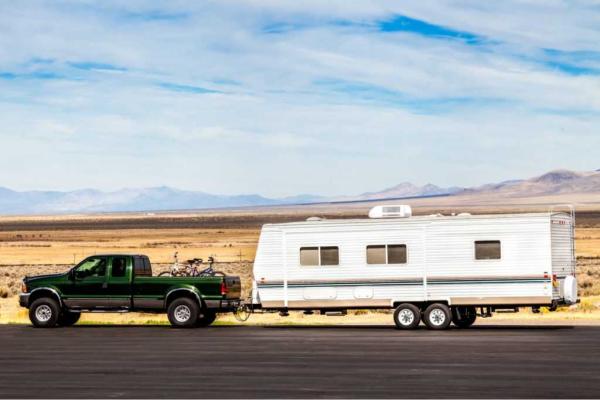
Picture this: eight hours crammed in the back of a pickup truck versus lounging in that fancy travel trailer being pulled behind it. The trailer wins every time, right? Not so fast - that comfortable ride could land drivers in legal hot water across most of America.
The Reality Check
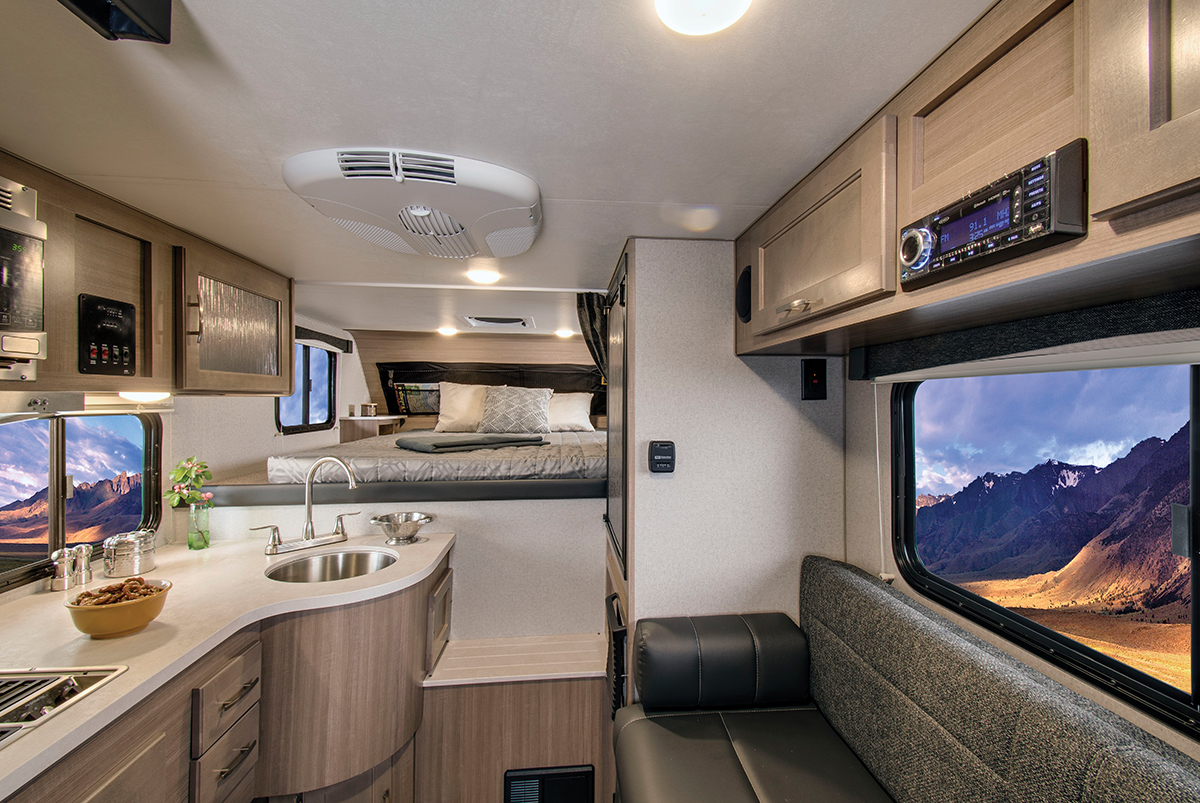
While modern RV trailers come loaded with amenities that rival luxury hotels, they're rolling around on wheels without proper safety features. No seatbelts, no airbags, and lightweight aluminum construction that crumples like a soda can in accidents. Plus, anyone who's arrived at a campsite to find their belongings scattered across the floor knows exactly how much these things bounce around.

Where It's Definitely Illegal
A whopping 34 states have made riding in towed RV trailers completely off-limits. These include major travel destinations like California, Florida, Texas, and Colorado - basically anywhere Americans love to road trip with their rigs.
The complete banned list covers: Alabama, Alaska, Arkansas, California, Colorado, Connecticut, Delaware, Florida, Georgia, Hawaii, Illinois, Kansas, Louisiana, Maine, Massachusetts, Montana, Nevada, New Hampshire, New Mexico, New York, North Dakota, Ohio, Oregon, Pennsylvania, Rhode Island, South Carolina, South Dakota, Texas, Utah, Vermont, Virginia, Washington, Wisconsin, and Wyoming.
That leaves 16 states where riding in travel trailers isn't explicitly banned, but don't mistake silence for permission. State laws change constantly, and just because something isn't illegal doesn't make it smart.

Fifth Wheels Get Special Treatment
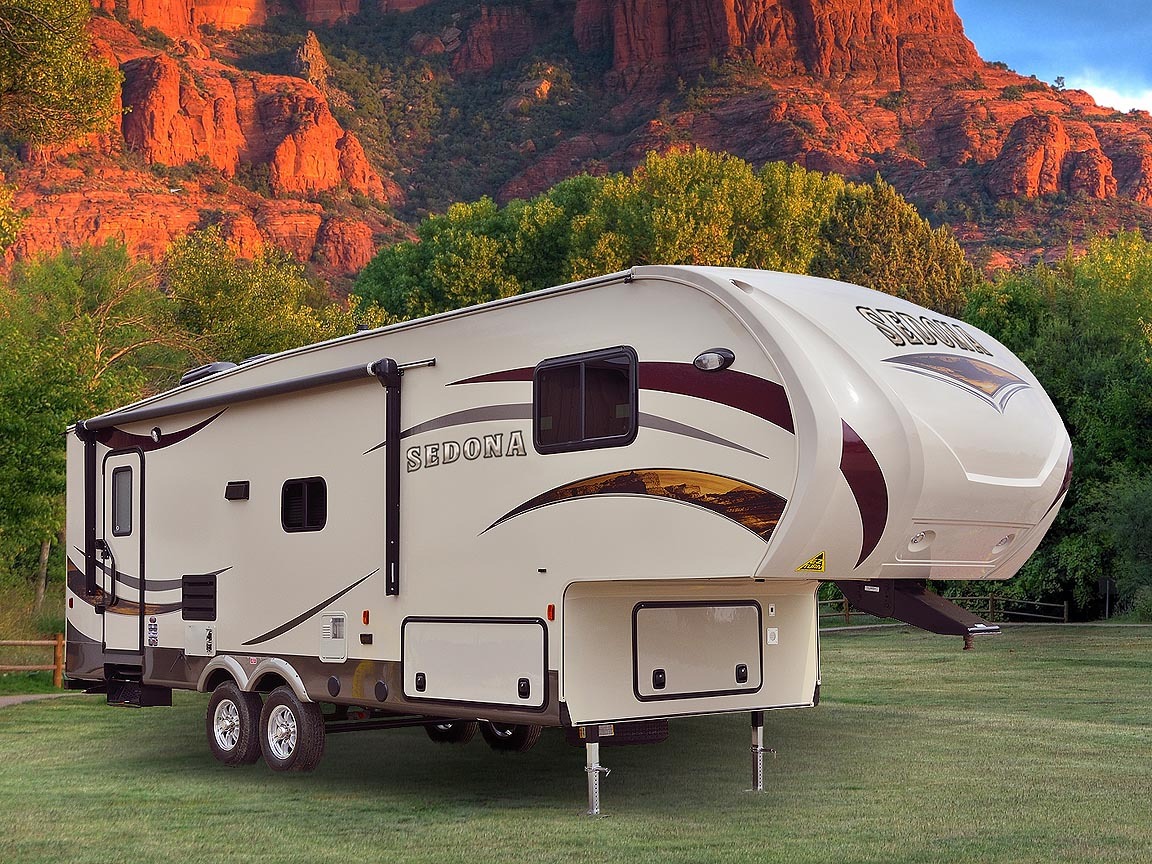
Some states treat fifth-wheel trailers differently than regular travel trailers, and there's a good reason. Fifth wheels connect to trucks through heavy-duty hitches bolted directly to the frame, creating a more stable connection than typical bumper hitches.
Eight states that ban regular trailer riding make exceptions for fifth wheels, but with strict conditions. California requires safety glass in windows, communication devices between trailer and driver, and emergency exits accessible from both inside and outside. Montana demands at least a half-ton truck for towing. Pennsylvania gets specific about hitch requirements, mandating 2-inch kingpins.
Other states with fifth-wheel exceptions include New York, North Dakota, Oregon, South Dakota, and Wisconsin - though Wisconsin requires anyone under 12 to have a 16-year-old chaperone.
Truck Campers: The Gray Area
Truck campers create legal confusion since they're not technically "towed." No state explicitly bans riding in truck campers, but other laws often apply. Many states restrict riding in truck beds or require seatbelts for all passengers - rules that effectively prohibit truck camper passengers.
California stands out by specifically allowing truck camper passengers, provided there's communication between camper and cab. This can be as simple as a sliding window or the ability to move between sections.

The Insurance Nightmare
Beyond legal issues, insurance companies often refuse coverage for injuries occurring in RV trailers, especially in states where it's illegal. Having unauthorized passengers could void policies entirely, leaving families financially exposed after accidents.
Passengers also count toward gross combined weight ratings and towing capacity. Adding people to trailers can push vehicles over legal weight limits, creating additional liability.

Why Safety Trumps Legality
Even in states where riding in RV trailers remains legal, physics doesn't care about legislation. Trailer sway can become uncontrollable, especially in crosswinds or when passing large trucks. Passengers get tossed around like cargo, risking injury from loose objects or simply from the violent motion.
RV manufacturers design these units for stationary camping, not passenger transport. The lightweight construction that makes them towable also makes them death traps in collisions.
The Bottom Line
Laws aside, riding in any towed RV trailer represents an unnecessary gamble with safety. These vehicles excel at providing comfortable camping experiences but fail miserably at protecting passengers during transport.
Smart RV families stick to riding in properly equipped tow vehicles with modern safety features. The trailer can wait until reaching the destination - it's not going anywhere without them anyway.