How NASCAR Drivers Get Paid in 2026: Purse Money, Charters, and Salary Deals
by AutoExpert | 17 February, 2026
Being a NASCAR driver looks glamorous from the outside. Going fast, big crowds, massive sponsorships. But at the end of the day it's still a job, and like any job, the paycheck situation is more complicated than it looks.
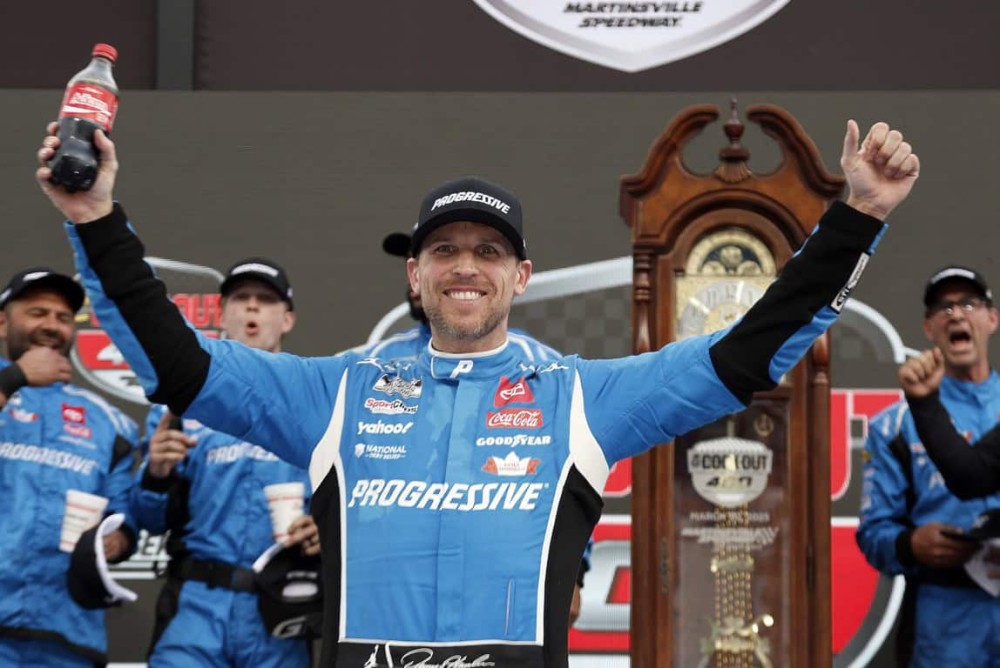
For decades the money side of NASCAR was pretty simple. Every race had a purse, drivers negotiated contracts with team owners, and everyone could look up exactly how much the winner took home. In 2015, Denny Hamlin won at Martinsville and pocketed $166,760. Joey Logano won Daytona that same year and walked away with $1,586,503. The total Daytona purse back then was $18 million.
Fast forward to 2025 and that Daytona purse has grown to $30 million. William Byron's win this year is expected to pay out around $3 million. Sponsor money is flowing back into the sport and fans are more engaged than they've been in years.
The Charter System Changed Everything
In February 2016, NASCAR flipped the whole compensation model on its head with something called the owner charter system. Instead of straightforward purse money, there are now 36 ownership charters. These chartered teams get guaranteed starting spots in every race and a share of reliable revenue. Four extra open spots exist for newer teams trying to break in, but those teams get no guaranteed money.
Each charter is worth a different amount depending on the team's history and how they've performed over multiple seasons. Compensation is based on guaranteed revenue, recent performance, a points fund, and finishing position in each race. Teams can sell their charters or trade them. NASCAR can also yank a charter if a team finishes in the bottom three for three years running.
Here's the weird part. Despite promising transparency, NASCAR doesn't actually tell people how the money gets divided up. Not the public, and sometimes not even the drivers themselves. The money goes to teams now, not drivers directly. When asked why the financials aren't public anymore, NASCAR's then chief operating officer basically said it was old fashioned thinking and didn't fit the new model. Make of that what you will.
The Money Is Still Huge
Even if the details are murky, the numbers are still massive. The 2021 Phoenix season finale had a total purse over $10 million. Martinsville paid out nearly $8 million to teams that same year.
A bankruptcy case from BK Racing in 2018 gave everyone a rare peek behind the curtain. BK was a backmarker team that consistently ran at the back of the pack. Their best payday was $428,794 for a 20th place finish at Daytona. Most other races they made less than $100,000.
Smaller teams like that usually work out deals where either the team keeps the purse to fund operations and pays the driver a salary, or the driver keeps the purse instead of getting a salary. The second option is an interesting way to motivate a driver to push harder for a better finish.
Who Gets the Most
The charter system splits teams into basically three tiers. The big well-funded teams with long track records consistently finish up front, make the playoffs, and take home the largest cuts. Mid-tier teams get solid payouts and decent bonuses. Teams at the bottom of the standings get very little, sometimes nothing extra beyond the base purse.
The whole system was designed to give team ownership real long-term value. Before, if a team went bankrupt like BK Racing did, all they could sell off was equipment and shop tools, usually for way less than they were worth. The charter itself is now an actual asset with real value.
Whether it's fair to drivers is still an open question. The teams get the money and the drivers get whatever the team decides to pay them. For a sport that used to lay everything out in plain numbers, it's gotten pretty complicated.