
How Ford’s Twin I-Beam Suspension Revolutionized Truck Comfort
by AutoExpert | 29 April, 2025
Early pickup trucks were basically farm equipment with seats. Tough? Sure. Comfortable? Not so much. While trucks slowly gained creature comforts after WWII, their underpinnings remained decidedly primitive - especially those brick-like solid front axles.
GM shook things up first with double wishbone front suspension in their trucks. Not wanting to be left behind, Ford's engineers cooked up something entirely different in response.
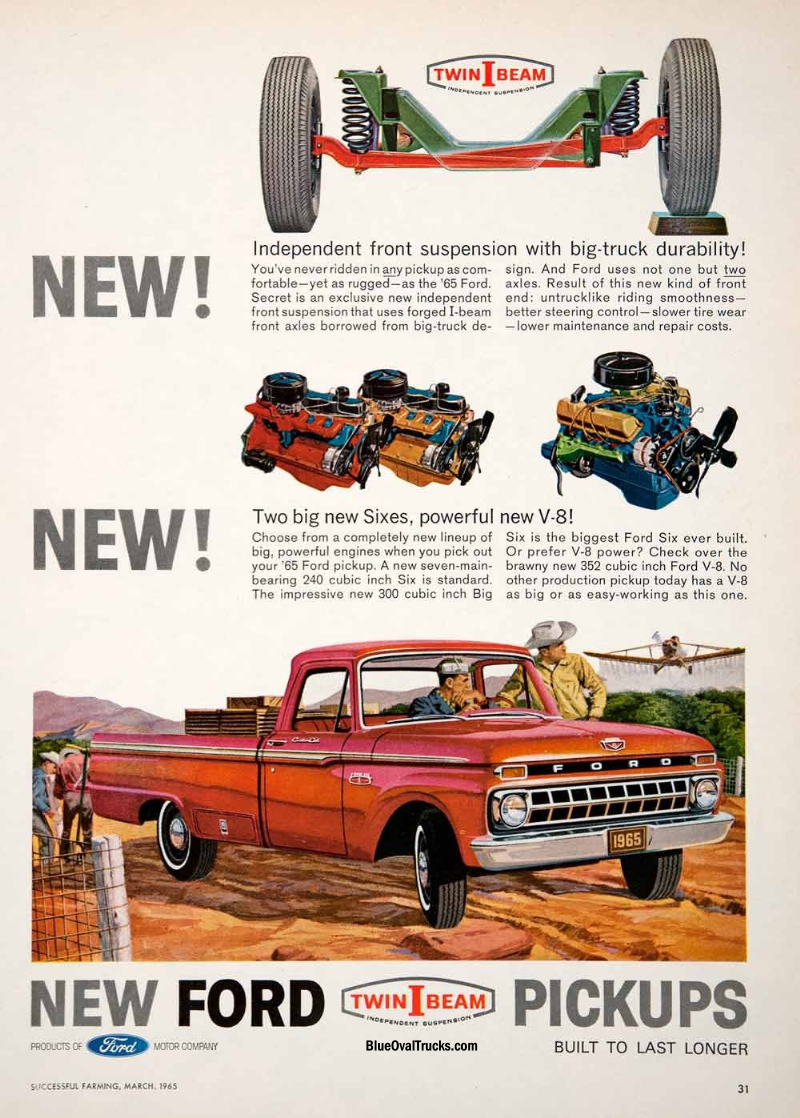
Enter the Twin I-Beam - Ford's beautifully simple solution that debuted in 1965 and stuck around for nearly 50 years.
Clever Engineering in Plain Sight
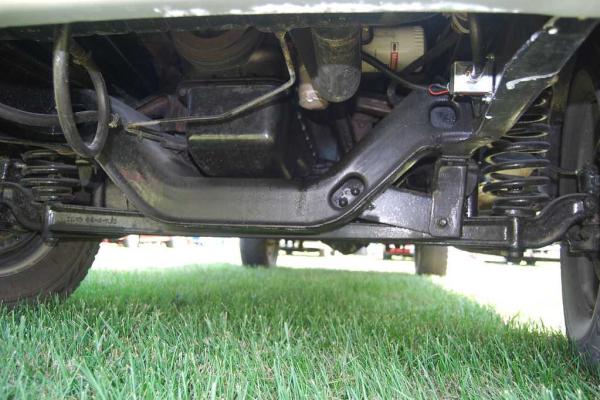
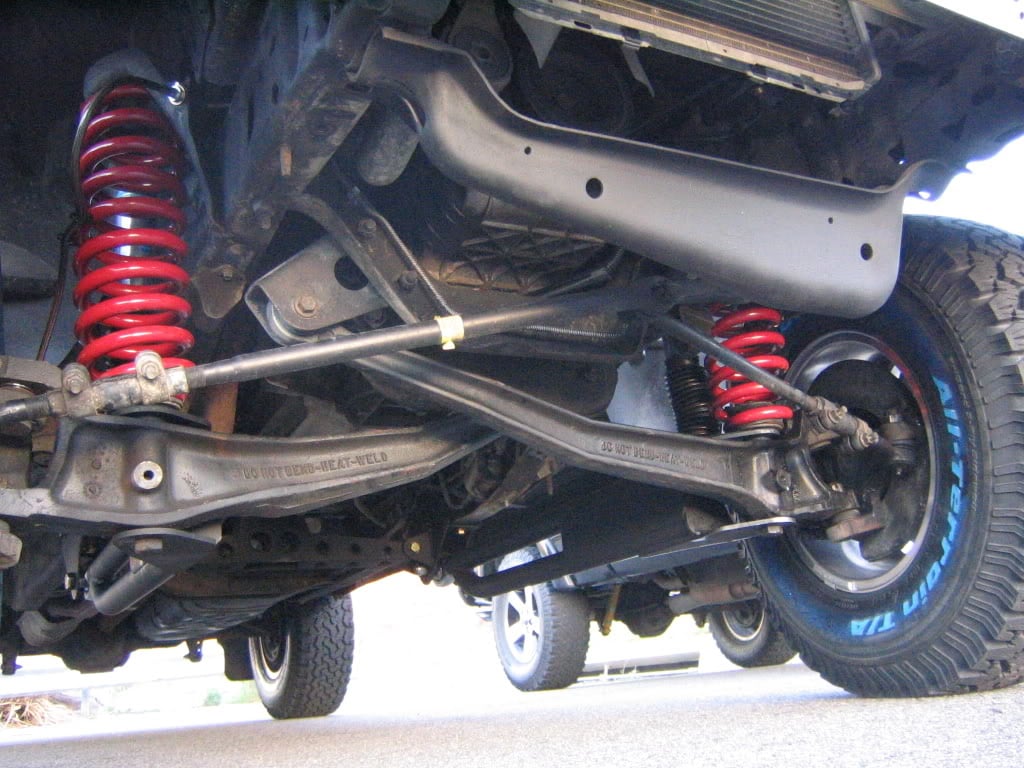
The genius of Ford's design was in its simplicity. Instead of one solid axle, they used two offset, overlapping I-beams made of forged chromoly. Each beam pivoted from the opposite side of the truck from the wheel it supported - the right wheel's beam attached to the left frame rail, and vice versa.
Add some coil springs, shock absorbers, and radius arms to keep everything from shifting forward and back, and voilà - independent front suspension without the complexity of GM's setup.
This arrangement let each front wheel move independently over bumps without affecting the other side, dramatically improving ride quality and handling compared to old solid axles.
Not Perfect, But Pretty Darn Good
Like any design, the Twin I-Beam had its quirks. The swing-arm action meant wheel camber changed as the suspension moved up and down, leading to some funky tire wear patterns over time. Alignment could be tricky too, especially as parts aged.
But these drawbacks were small potatoes compared to the benefits. Ford trucks suddenly rode like...well, not cars exactly, but certainly better trucks. The design was so successful that Ford kept refining it for decades - eventually creating a 4WD version called Twin Traction Beam in 1980.
Only when modern, lighter A-arm setups became the industry standard did Ford finally phase out the Twin I-Beam from the F-150 line. Not a bad run for such a straightforward idea.
Sometimes the best engineering isn't about complexity - it's about solving problems with elegant simplicity. The Twin I-Beam did exactly that.