
How Ford’s Flathead V8 Changed Car Culture Forever
by AutoExpert | 2 May, 2025
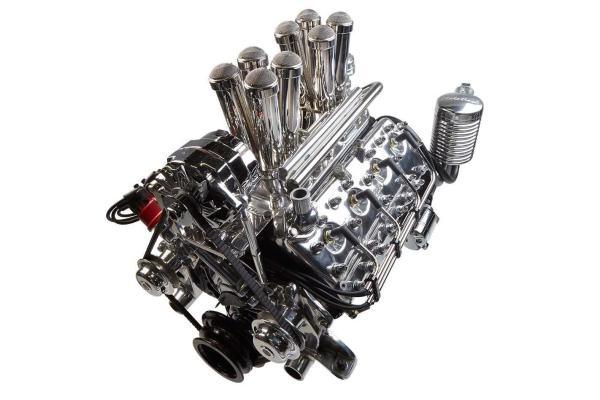
Before 1932, V8 engines were basically rich people toys - expensive beasts found only in fancy Cadillacs and other luxury rides. Meanwhile, regular folks puttered around in Model As with their humble four-cylinders. Then Ford dropped a bombshell: the 221 cubic inch flathead V8.
What made this engine so special? It wasn't the first V8 ever built. It wasn't the biggest or most powerful either. But it was simple, reliable, and most importantly - affordable. Ford basically democratized the V8, and gearheads went nuts for it.

Almost immediately, these engines started showing up at racetracks. By 1933, they were setting records at the Elgin National Road Race. A year later, flatheads were screaming around the Indy 500 at 109 mph. An entire industry of aftermarket parts sprouted up overnight - manifolds, cams, superchargers - if you wanted your flathead to fly, someone was selling the parts to make it happen.
After WWII, these engines were everywhere. Millions of them had been stuffed into everything from family sedans to actual bombers. As GIs came home looking for cheap transportation, used Ford flatheads fit the bill perfectly.
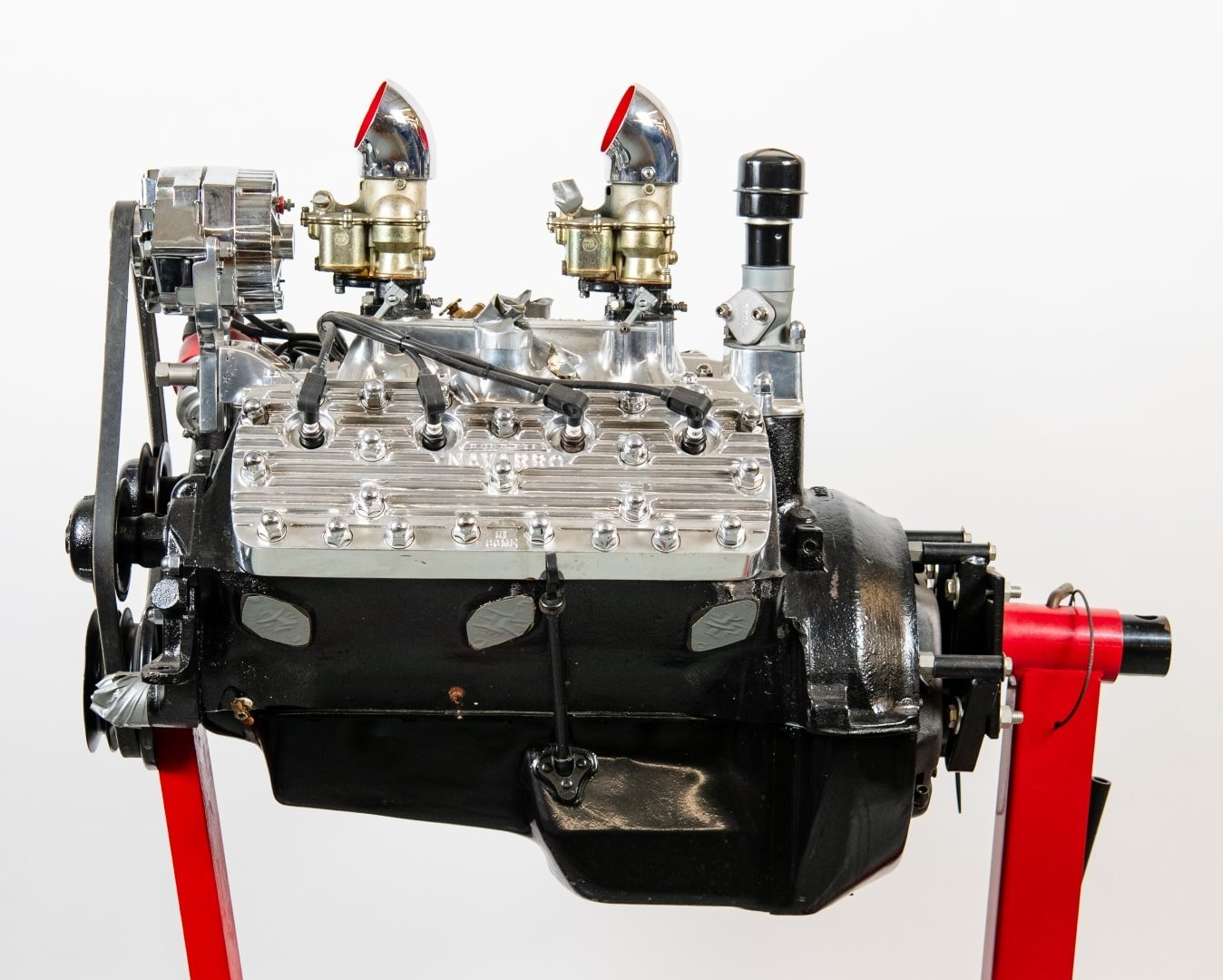
By the 1950s, when Ford finally replaced them with overhead valve engines, junkyards were overflowing with cheap flatheads. Combined with the growing middle class's newfound leisure time and disposable income, the conditions were perfect for the birth of hot rodding as we know it.
Even as newer, more powerful engines like the small block Chevy came onto the scene, hot rodders kept reaching for flatheads. They were plentiful, easy to modify, and had that certain something that just screamed "hot rod."
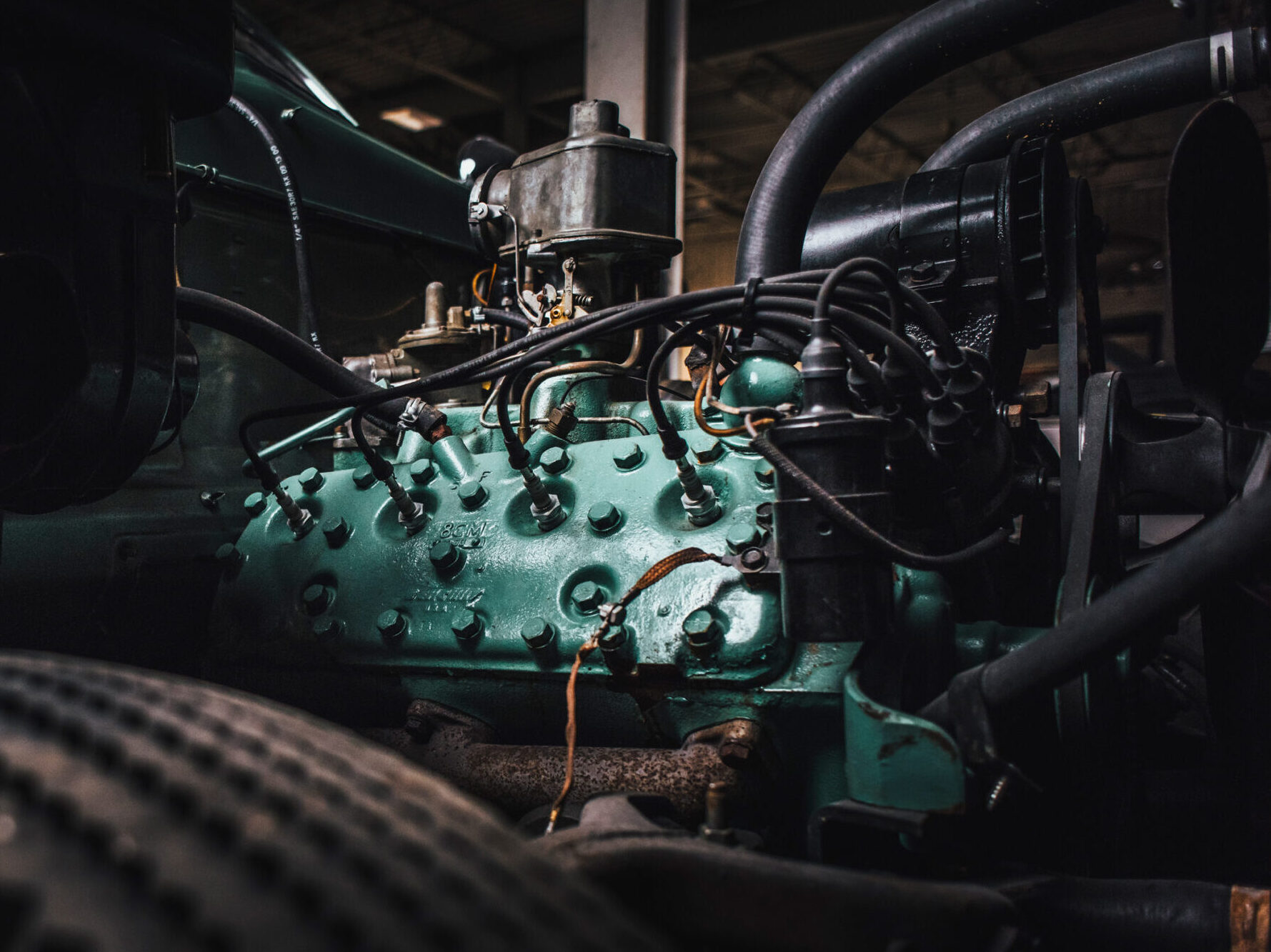
Today, nearly a century after its introduction, Ford's flathead V8 remains the engine of choice for traditional hot rod builders and rat rod enthusiasts. The world of automotive engineering has come a long way since 1932, but that old flathead Ford magic still hasn't gone out of style.