
Helix Joins Astro Mechanica To Develop Hybrid Engine For Future Supersonic Jets
by AutoExpert | 2 December, 2025
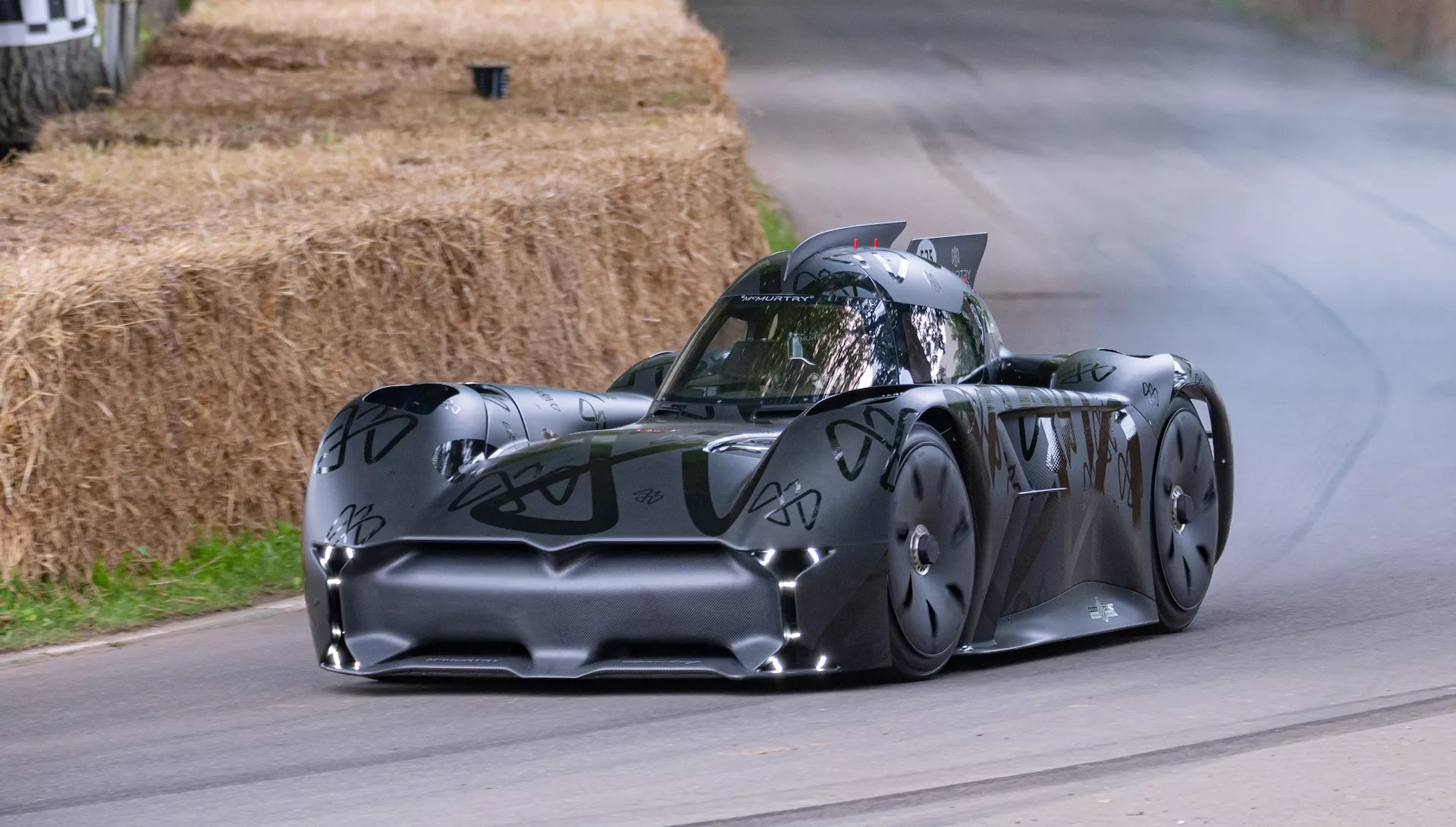
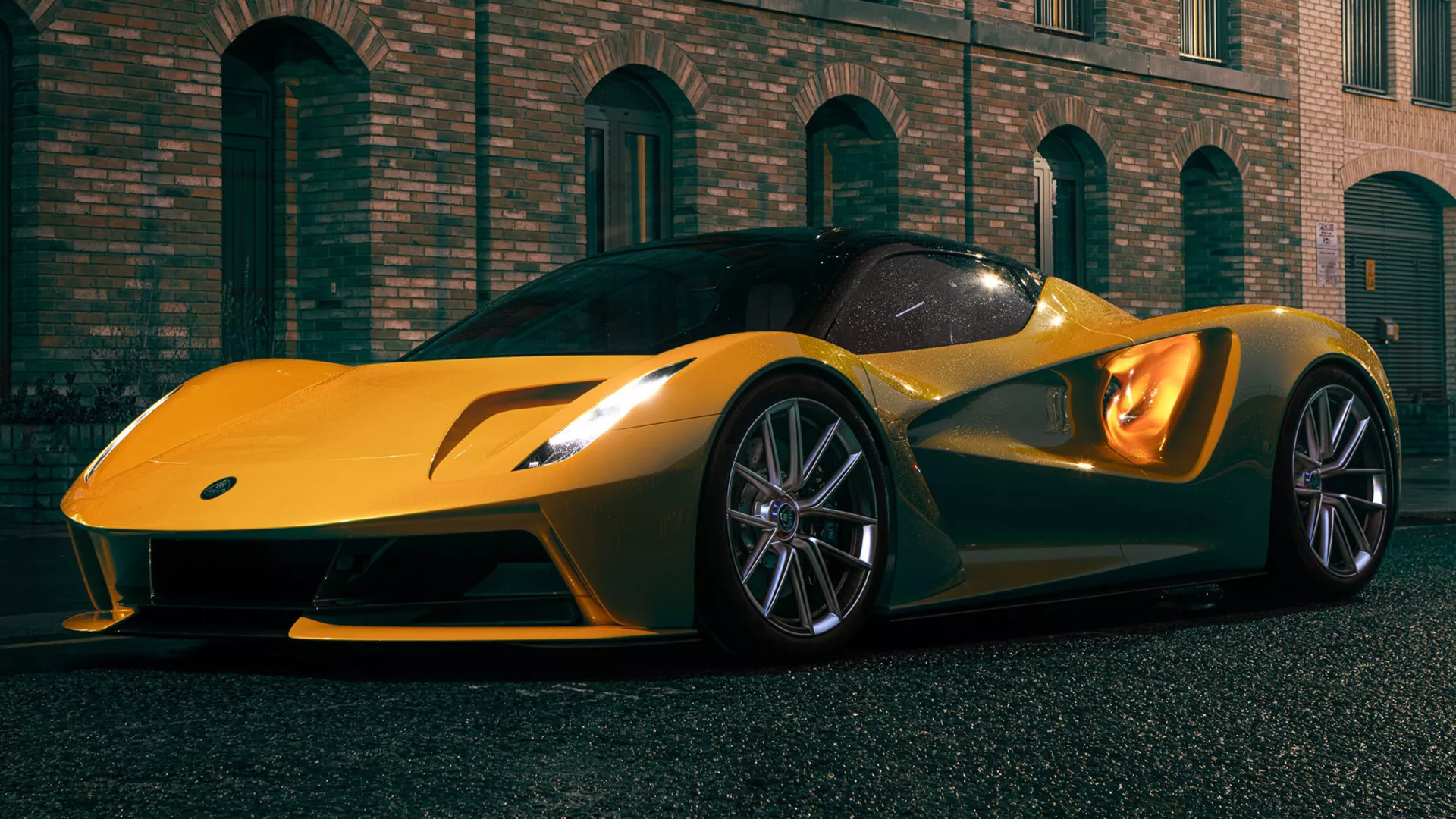
Helix, the UK engineering firm best known for powering monsters like the McMurtry Spéirling, Lotus Evija, and Aston Martin Valkyrie, is now aiming far beyond the racetrack. The company is working with California startup Astro Mechanica on an engine concept that, if it works, could bring back supersonic passenger travel.
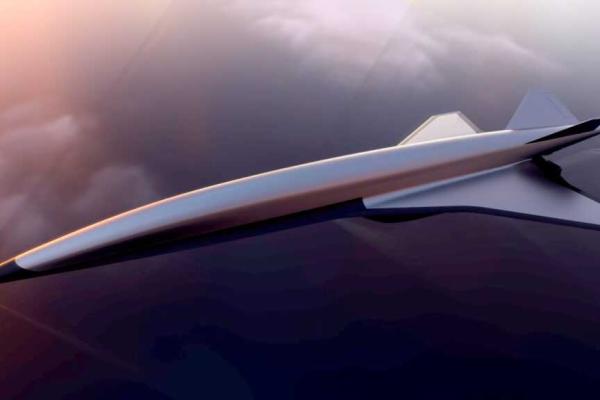
Astro Mechanica’s goal is pretty bold: build a supersonic aircraft that isn’t just fast but efficient enough to use like a normal long-haul jet—something Concorde could never quite pull off. To get there, the team created a new propulsion system called Duality. It’s a hybrid setup that blends a gas turbine with electric drive, and the whole idea is that the engine can change its personality depending on how fast the plane is going.

During takeoff, Duality behaves like a turbofan. Once the aircraft creeps into low supersonic territory, it switches into a turbojet-like mode. When the real high-speed stuff begins, the system shifts again, acting more like a ramjet. That flexibility is meant to fix Concorde’s main problem: its engines were incredible at Mach speeds but drank fuel everywhere else.
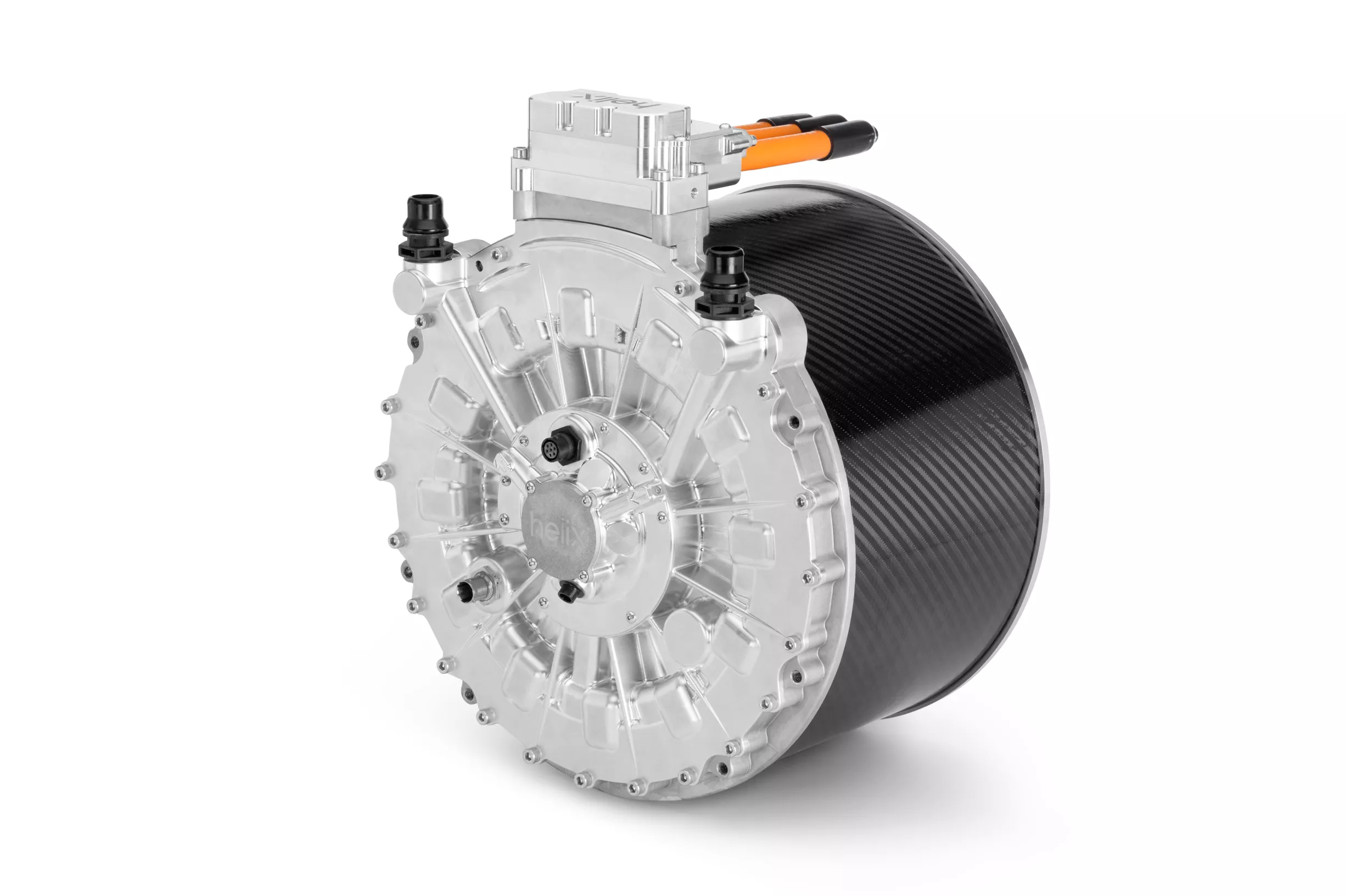
Right now, the fourth-generation Duality prototype runs four Helix SPX242-94 electric motors. Each one can hit 536 hp and run continuously at 402 hp, driving a two-stage compressor inside the power unit. A fifth-generation system is already underway, this time using custom radial-flux motors pushing up to 1,274 hp for high-altitude flight.
Astro Mechanica wants a first test flight within three years and commercial flights roughly a decade from now. If that timeline holds, we’d finally see a passenger aircraft break the sound barrier again, more than 30 years after Concorde retired. It’s ambitious, but for the first time in a long while, supersonic travel doesn’t feel like a nostalgic dream—it feels genuinely possible!