Hands-Free Driving Laws: A Guide to US Distracted Driving
by AutoExpert | 16 September, 2025
Texting while barreling down the highway at 60 mph? That's basically asking for trouble. Yet people do it constantly, and the stats are pretty terrifying. Thousands die every year in distracted driving crashes, with hundreds of thousands more getting injured.
Johns Hopkins researchers found that phone use while driving makes accidents four times more likely - even when using hands-free. Plus, it slows reaction time by 50%. That's genuinely scary stuff.

Where Your Phone Stays Put
Forty-nine states ban texting and driving, but 31 states go way further. They've made it illegal to handle your phone at all while driving, period. These include big ones like California, New York, Pennsylvania, and Tennessee.
Here's the full list of no-touch states: Alabama, Arizona, California, Colorado, Connecticut, Delaware, District of Columbia, Georgia, Hawaii, Idaho, Illinois, Indiana, Iowa, Maine, Maryland, Massachusetts, Michigan, Minnesota, Missouri, Nevada, New Hampshire, New Jersey, New York, Ohio, Oregon, Rhode Island, Tennessee, Vermont, Virginia, Washington, West Virginia, and Pennsylvania.
In most of these places, cops can pull drivers over just for holding a phone - no other reason needed. Ohio's a bit weird though - they'll let drivers hold phones to their ears but not in front of their faces.

The Gray Area States
The other 19 states haven't gone full hands-free, but they're not exactly phone-friendly either. Every state except Montana has some kind of texting ban or restrictions for certain situations.
Texas, for example, bans texting for everyone and any phone use for drivers under 18. Same deal in school zones. Arkansas prohibits phone use for minors and in construction zones. Similar rules exist across Wisconsin, Louisiana, South Carolina, and Florida.
Montana's the odd one out - lawmakers keep trying to pass phone restrictions, but nothing's stuck yet. Some local areas there have their own rules, but the state level remains hands-off.

Do These Laws Actually Work?
The numbers don't lie. Colorado saw crashes drop 19% in just five months after their hands-free law kicked in. Tennessee's similar law led to a 31% reduction in distracted driving crashes. California had 47% fewer phone-related deaths after their ban.
West Virginia reported a 23% decrease in fatalities, Hawaii saw 26% fewer deaths, and Washington D.C. had an incredible 45.5% drop. A 2021 study found hands-free laws prevented 140 deaths and 13,900 injuries annually between 1999 and 2016.
Drivers are actually changing behavior too. California saw 40% of drivers talking less on phones after their ban. D.C. had phone use drop by half while driving. Connecticut reported a 57% decrease in texting and handheld use.

The Real Cost of Phone Use
Beyond the human tragedy - over 3,200 fatal distracted driving crashes in 2023 alone - there's serious money involved. The National Highway Traffic Safety Administration estimates distracted driving cost Americans $98 billion in 2019. Factor in quality of life impacts, and that number jumps to $395 billion.
Getting caught isn't cheap either. Fines range from $50 in Pennsylvania to $500 for repeat offenders in Maryland. Insurance rates can spike 28% on average, with some states seeing increases over 50%. In California, premiums can jump 51% after a distracted driving ticket.

Staying Legal Behind the Wheel
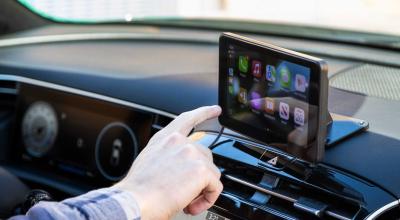
The simplest solution? Put the damn phone down. Use hands-free features for calls or music. Mount the device if navigation is needed and use voice commands. Don't tap addresses into Google Maps while driving - pull over or use voice search instead.
Different states have different rules, so it's worth checking local laws. But honestly, should anyone need a law to drive safely? Keep eyes on the road and hands off the phone - it's really that simple.