GVWR Explained: Why Your Truck's Weight Limit Matters
by AutoExpert | 19 June, 2025
Ever notice that sticker on the inside of your truck door with a bunch of random numbers? Yeah, the one everyone ignores. Turns out, one of those numbers - GVWR - is actually pretty important. Like, could-save-you-from-a-massive-fine important.
So What's GVWR Anyway?
GVWR is just fancy talk for "don't make your truck heavier than this number or bad things happen." It stands for Gross Vehicle Weight Rating, and it's basically the manufacturer saying "hey, we tested this thing, and if you load it up past this weight, you're on your own."
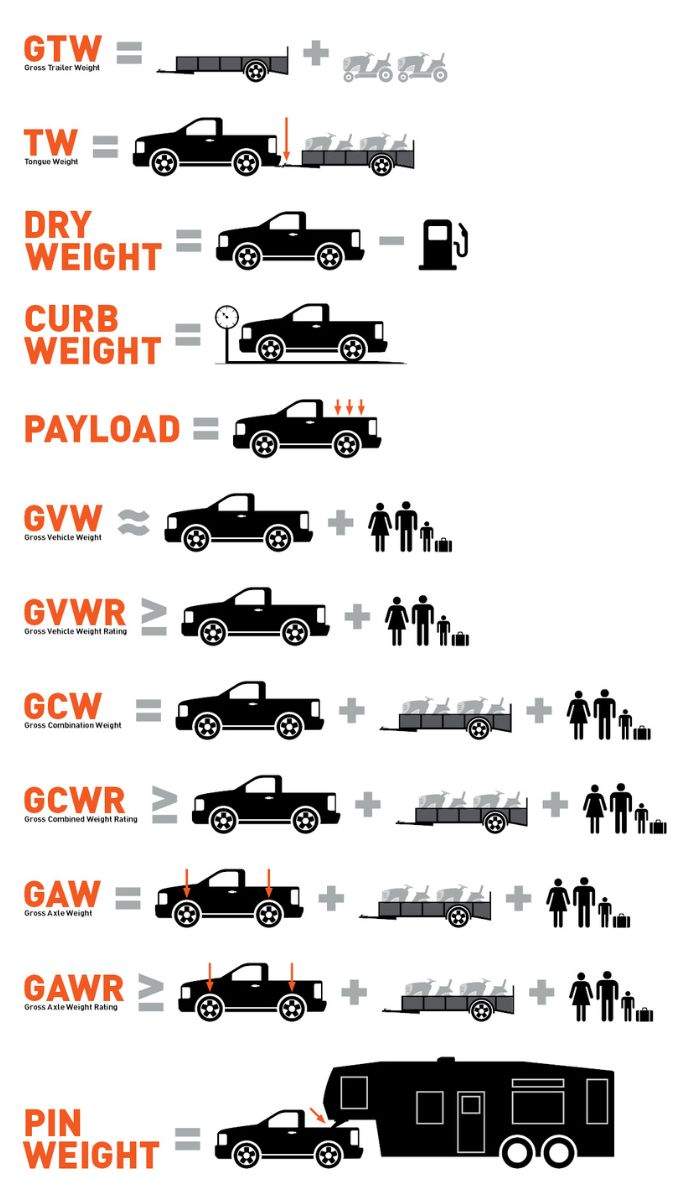
Think of it like this: your truck weighs a certain amount empty (that's curb weight), and it can safely carry a certain amount of stuff (that's payload). Add those together and boom - you've got your GVWR. Go over that number and you're asking for trouble.
Take a Toyota Tacoma. Empty, it weighs about 4,145 pounds. Toyota says it can safely carry another 1,460 pounds of people and junk. So the GVWR is 5,605 pounds. Pretty straightforward, right?

Why Anyone Should Care
Here's where it gets interesting. If your truck's GVWR is over 6,000 pounds, some places won't let you drive on certain roads. California's notorious for this - they'll ban heavy trucks from residential streets faster than you can say "traffic ticket." Some cities won't even let you park for more than a couple hours.
But here's the kicker - businesses actually want trucks over 6,000 pounds because they get huge tax breaks. We're talking up to $30,500 off the purchase price. So manufacturers are happy to beef up their trucks just enough to hit that magic number.
What Happens When Things Go Wrong
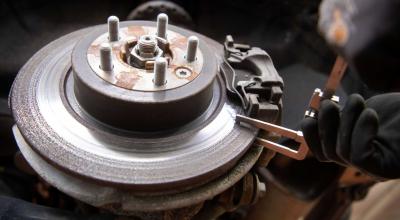
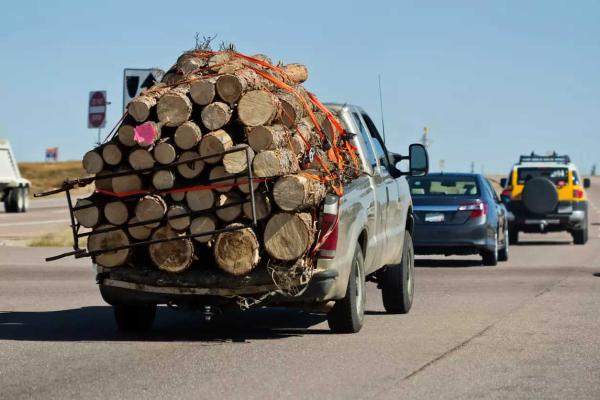
Loading a truck past its GVWR isn't just breaking some arbitrary rule. Physics doesn't care about your schedule. The brakes weren't designed to stop that much weight, so stopping distances get scary long. The transmission starts working way harder than it should, and don't even get started on what happens to the suspension.
Plus, if something goes wrong and insurance finds out the truck was overloaded? Good luck with that claim.

It's Not the Same as Towing
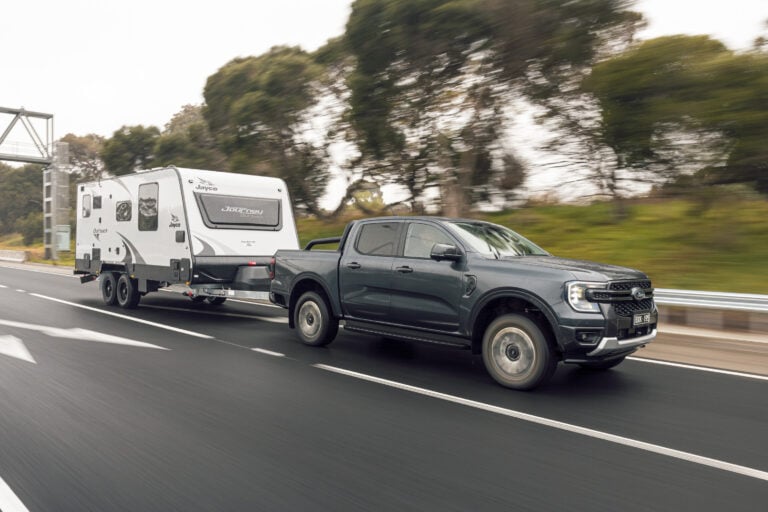
Here's where people get confused. GVWR is about how much the truck itself can weigh. Towing capacity is totally different - that's about how much you can drag behind you. A Ford Ranger might max out at 6,050 pounds loaded but can still tow 7,500 pounds behind it. Weird, but that's how it works.
Finding Your Number
Just pop open the driver's door and look for the sticker on the door frame. It'll have GVWR listed along with a bunch of other specs. Can't find it? Check the owner's manual, or just add up the empty weight plus the payload capacity.
Most people will never get close to their truck's weight limit. But if you're hauling mulch every weekend or moving furniture for friends, it's worth knowing where that line is. Because crossing it isn't just unsafe - it can get expensive fast.