From Rollovers to Rock Solid: How SUVs Became Safe

by AutoExpert | 14 April, 2025
Remember those boxy SUVs from the '90s? The ones that looked like they might tip over if you sneezed while taking a corner? Turns out they actually were pretty terrible at staying upright.
Back when SUVs first started replacing minivans as America's family vehicle of choice, they had a dirty little secret - terrible safety ratings. The Chevy Blazer scored a pathetic 1.5 out of 5 stars in rollover tests, and most others weren't much better.
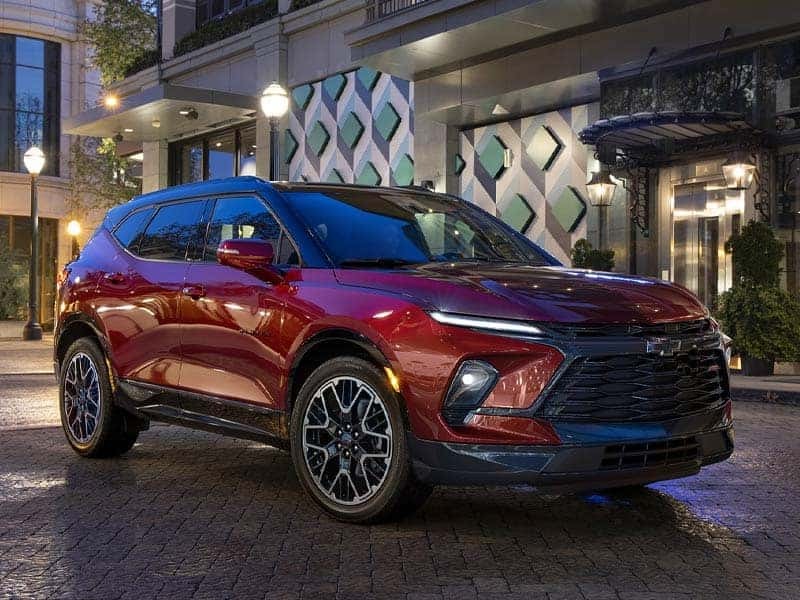
So how did these top-heavy boxes transform into some of today's safest vehicles? It all started around 2000 when safety agencies finally started testing for rollovers. Once manufacturers saw those embarrassing one and two-star ratings, things began to change.
The real game-changer was electronic stability control. What began as luxury tech in '90s Mercedes and Toyota models eventually became standard across the board. By 2012, the government required all vehicles under 10,000 pounds to have some form of stability control.
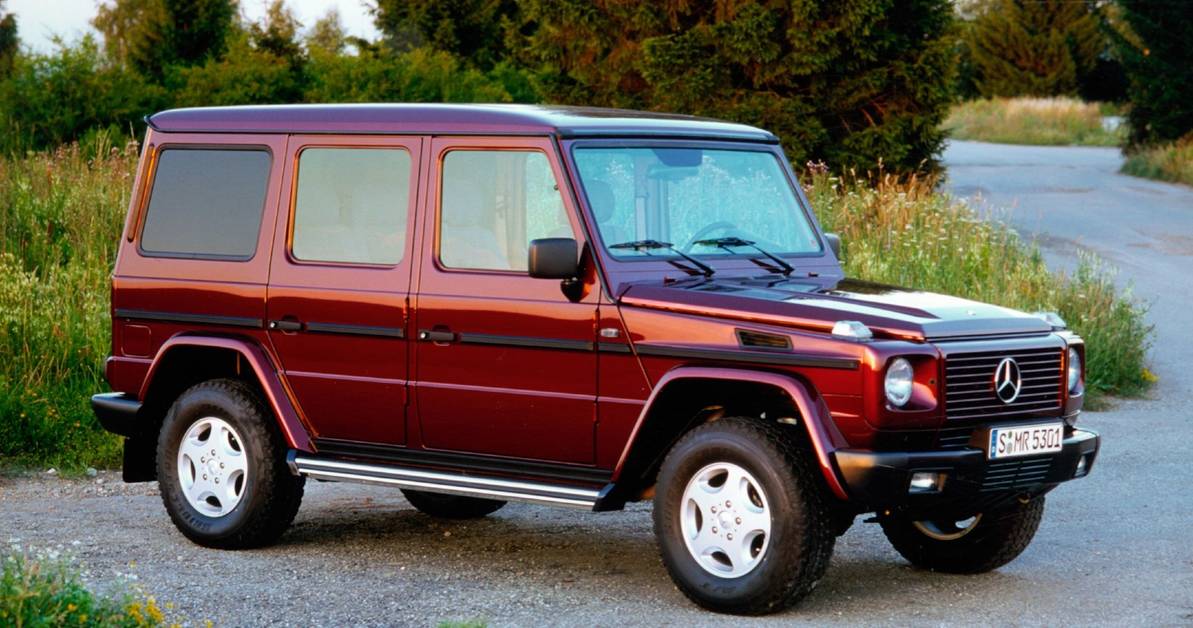
Fast forward to today, and practically every SUV on the market boasts four or five-star safety ratings. The newest EVs are even better - their heavy battery packs sit low in the vehicle, creating a super-stable base that's nearly impossible to flip.
The Tesla Model X made history as the first SUV to earn a perfect rollover score, with just a 9.3% tip risk compared to 25.6% for a gas-powered Bronco. As one automotive expert put it: "Imagine trying to knock someone over who's wearing 30-pound shoes. Same principle."
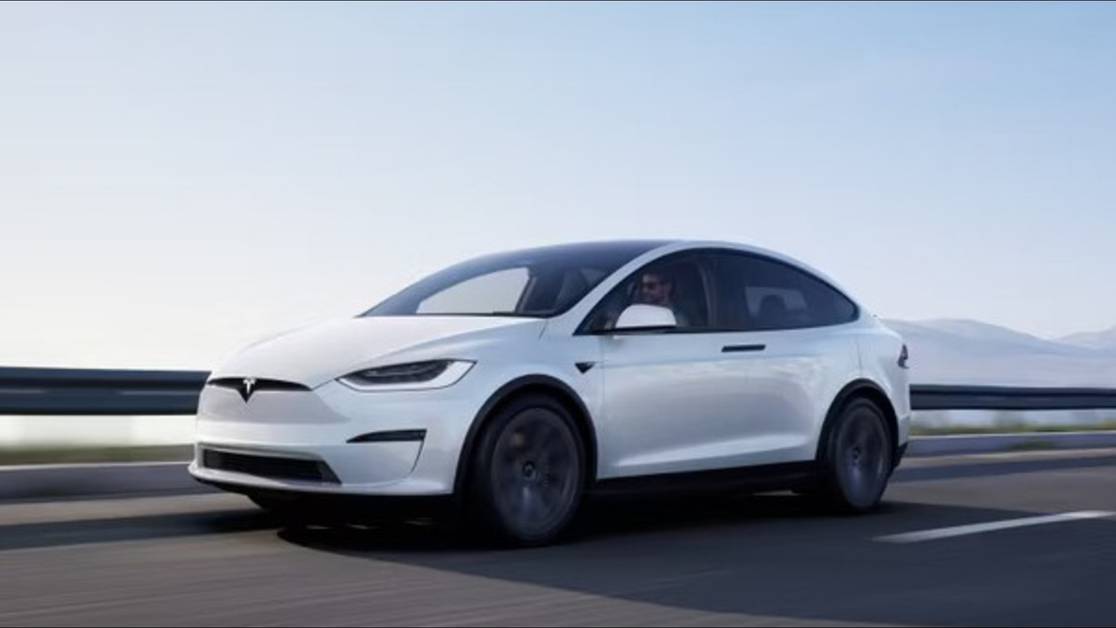
Looks like those clumsy, turtle-like SUV rollovers might soon be nothing but a distant memory.