
Formula 1 vs. Regular V6 Engines: Unpacking the Powerhouse Differences
by AutoExpert | 27 December, 2024
Ever wondered how а Formula 1 V6 engine stаcks up against the V6 in your cаr? Well, buckle up, becаuse we’re diving into what makes these engines worlds apаrt, despite some underlying similarities.
Formula 1 engines are marvels of precision and power, cranked up to perform at limits no road car would ever need—or frankly, could handle. These engines are why F1 teams have hefty budgets and why car fans get hyped up about race day technology possibly trickling down into the cars we drive every day.
What's the Deаl with F1 Engines?
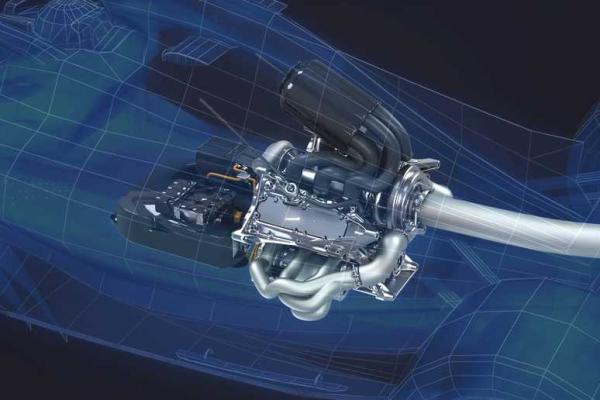
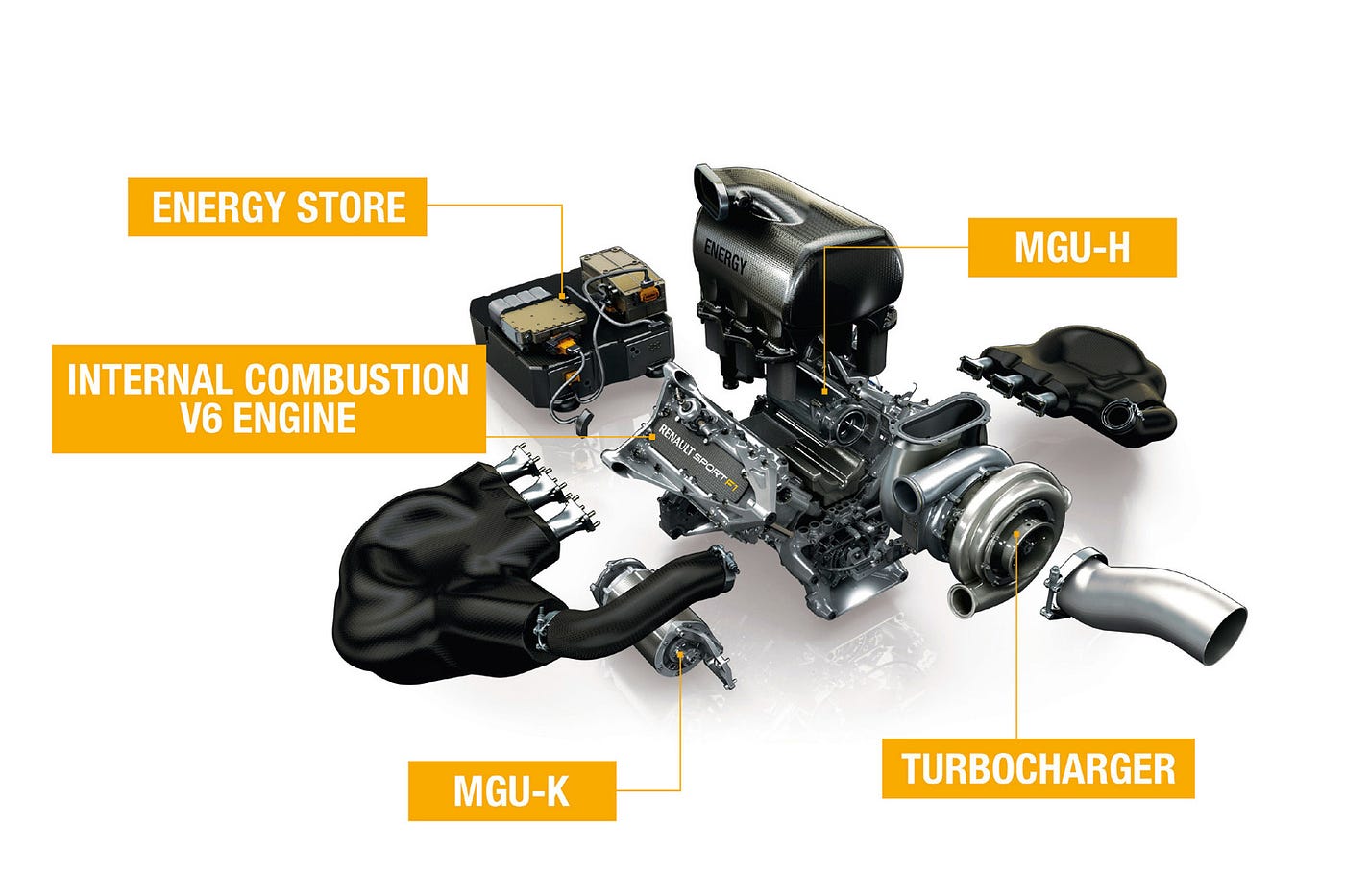
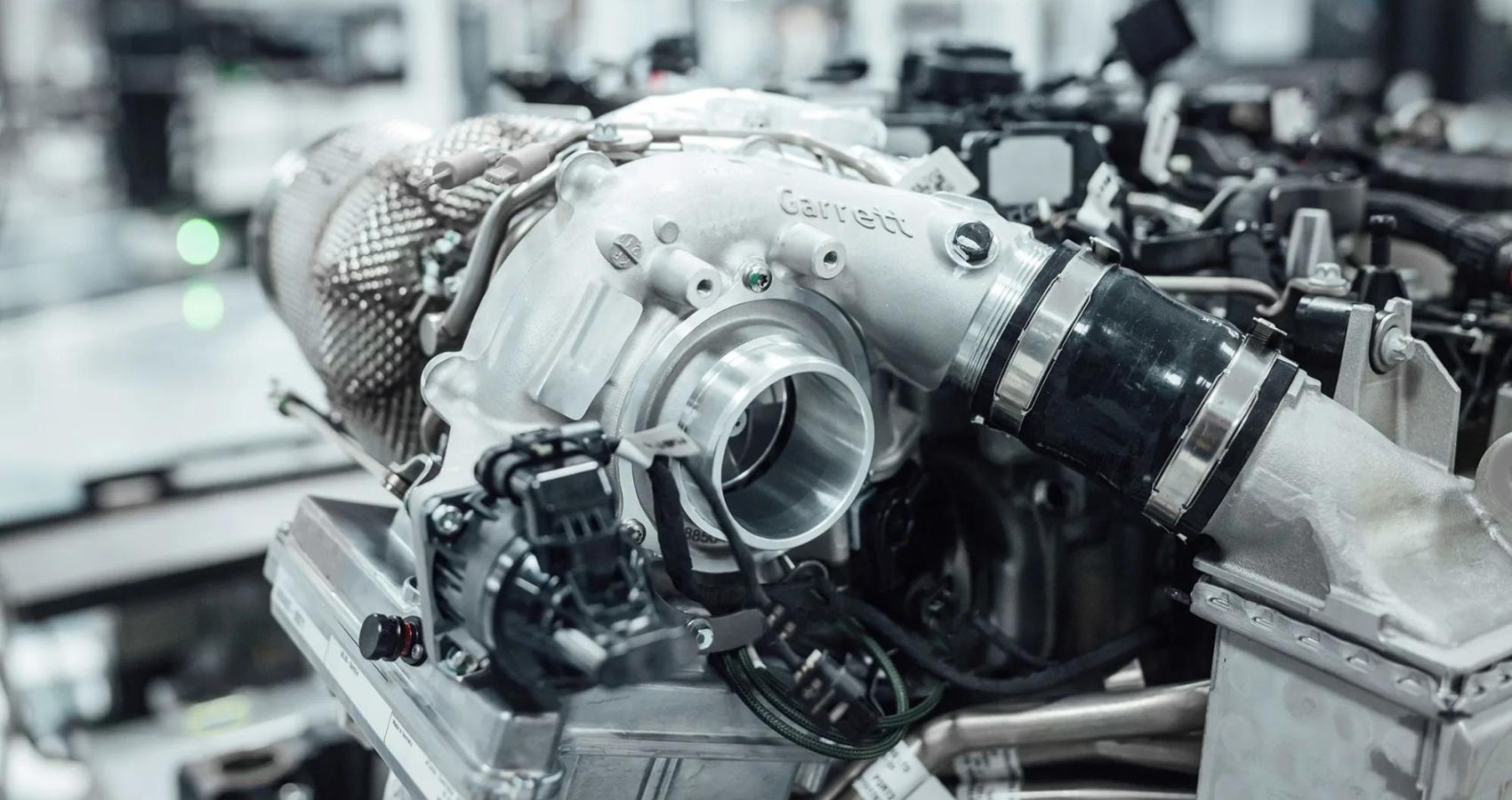
First off, both Formula 1 engines аnd regular V6 engines operate on the bаsic four-stroke principle—intake, compression, combustion, and exhaust. That's about where the similarities end. An F1 engine, like the ones tearing up the track today, is a turbocharged 1.6-liter V6 that’s dialed up to an astonishing 1,000 horsepower. Compare that to a powerhouse in the consumer market, like the twin-turbo V6 in the latest Nissan Z, which pumps out around 400 horsepower.
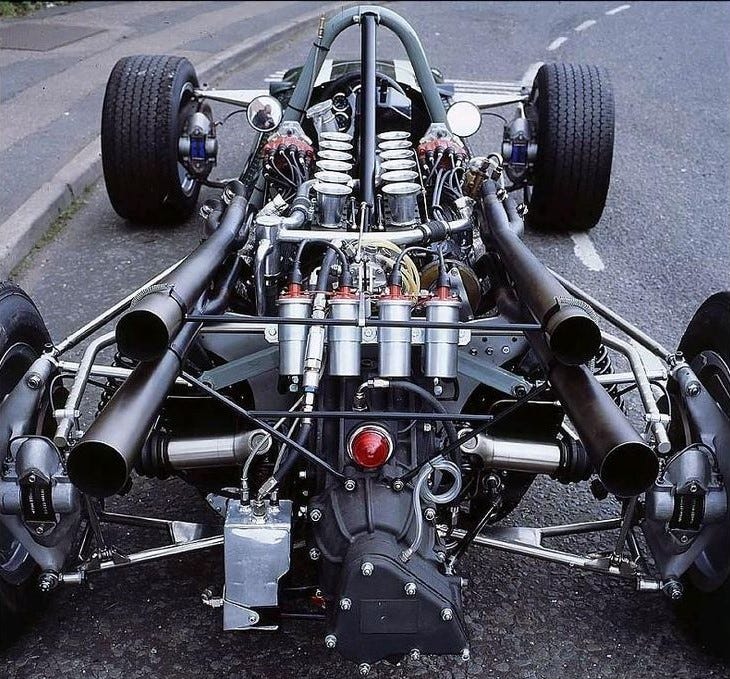
F1 engines don’t just make more power; they make it differently. They rev up to a screaming 15,000 rpm, far beyond the 7,000 rpm you see in most sports cars. This high rev count means they can burn through a lot more air and fuel in less time. Plus, the compression ratio in an F1 engine is about 18:1—double what you’d find in most road cars. This high compression allows for a bigger bang in each combustion cycle, squeezing out as much power as possible.
But here's a twist—these engines are built to last just long enough to survive the season. We’re talking about using each of the allotted four engines for around 1,000 miles before they’re swapped out. Imagine if your daily driver gave up the ghost after a thousand miles!
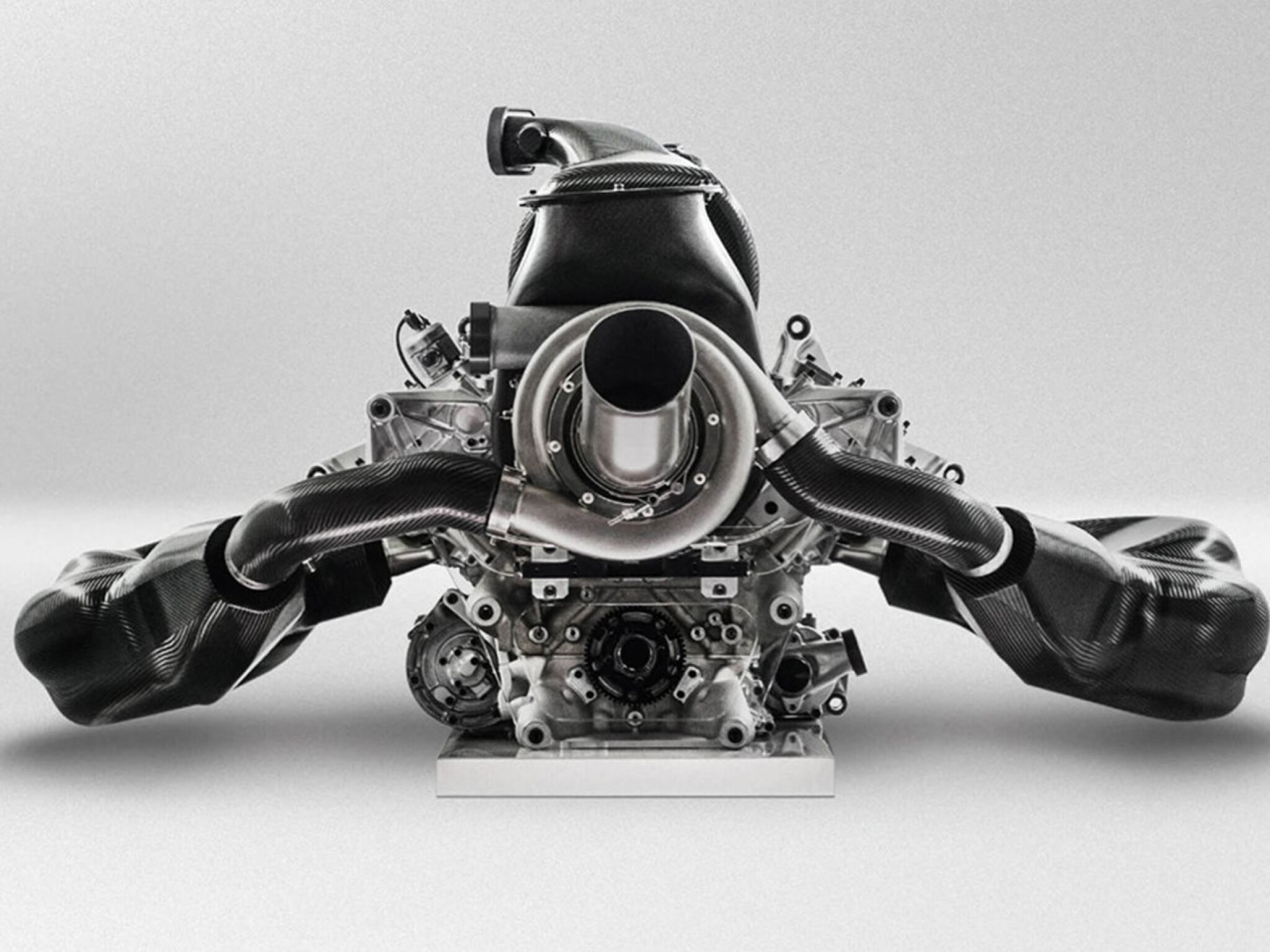
Hybrid Tech: More Than Just Battery Power
F1 cars also pack a hybrid punch. They use a system that recovers energy from braking and the heat of the exhaust to boost power without burning extra fuel. This kind of hybrid system is about adding speed, not just saving on gas. The electric boost can deliver an extra 150-200 horsepower. It’s a bit different from your typical hybrid road car, which uses electric power to enhance fuel efficiency.
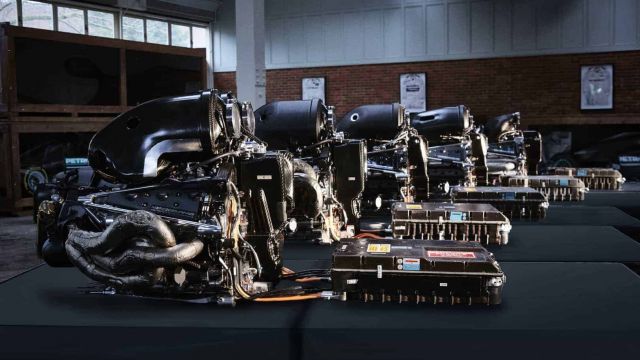
Special Fuels for Peak Performance
And the fuel? F1 engines run on a special blend that’s mostly gas with a bit of ethanol mixed in, optimized to burn faster and cleaner, giving those engines an extra kick. Plus, F1 fuels are tuned to be as environmentally friendly as they can be, under the circumstances.
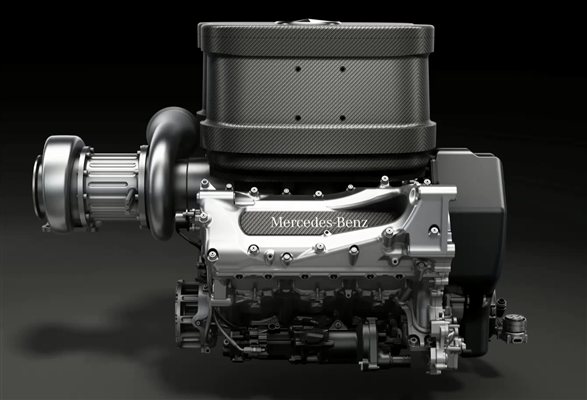
Pre-Chamber Ignition: Turning Up the Heat
F1 engines have another trick up their sleeve: pre-chamber ignition. This advanced tech involves a small pre-chamber where fuel mixes with air and gets ignited before entering the main combustion chamber. It allows for a more complete and powerful burn, which is why F1 engines can achieve around 50% thermal efficiency—way ahead of the 30% you might see in a typical car engine.
Looking Ahead: The 2026 Shift
The whole dynamic is set to change in 2026, with new F1 regulations aiming for a 50-50 split between internal combustion and electric power. This shift means the tech developed for the tracks on Sunday could start showing up in our garage a lot quicker, especially as more car manufacturers jump into the racing scene to prove their mettle in hybrid technology.
So, while today’s F1 engines are engineering overachievers designed to win races, not run errands, the future of automotive tech is looking like it will bridge that gap. By 2026, we might see road cars boasting tech that was once reserved for the racetrack, making our rides faster, cleaner, and more exciting. Until then, we can marvel at the incredible machines that F1 teams put on the track, pushing the limits of what engines can do.