Ford's Modular V8: The Unsung King of Engine Awards
by AutoExpert | 31 July, 2025
So there's this engine awards thing called Ward's 10 Best that's been around forever - like, since the '90s - and it's basically the Oscars for car engines. Getting on that list means your engine doesn't suck, which is harder than it sounds.
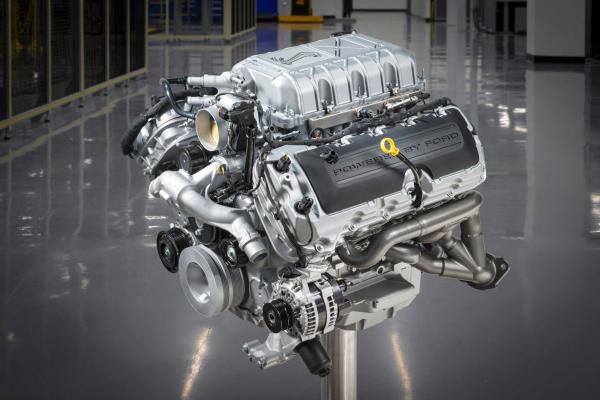
Now, if you asked random people which V8 dominated these awards, they'd probably guess something exotic. Ferrari, maybe? Nope. It's Ford's Modular V8, and it's not even close. This thing won 12 times between the 4.6 and 5.4-liter versions. Twelve! That's absolutely bonkers.

Why Ford's "Boring" Engine Kept Winning
Here's the thing about the Modular V8 - it wasn't trying to be flashy. Ford just wanted to build one basic engine design that could do everything. Smart move, actually. Instead of having 20 different engines for 20 different cars, they made one flexible platform and tweaked it as needed.
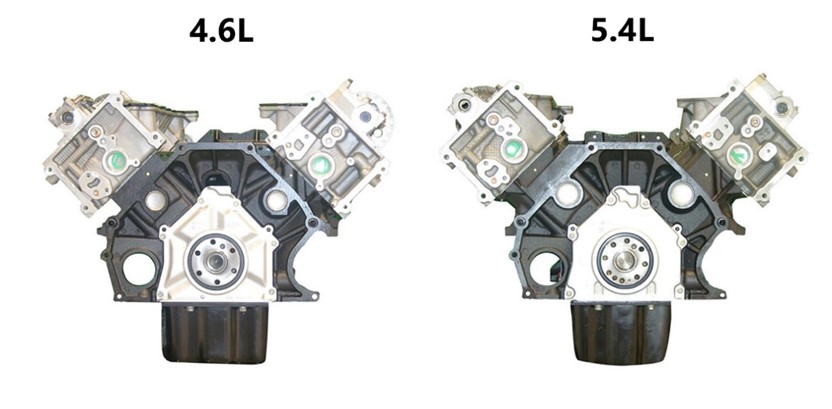
The name "modular" sounds corporate and boring, but it was genius. Same basic guts, different sizes, swap parts around - boom, you've got engines for everything from grandma's Town Car to a literal supercar. Ford made these from 4.6 liters up to 5.8, and even threw in a weird 6.8-liter V10 just because they could.
The big deal was ditching those ancient pushrod setups for overhead cams. Most American V8s in the '90s were still using technology from the Eisenhower administration, so this was actually pretty revolutionary.
The 4.6: The Engine That Did Everything
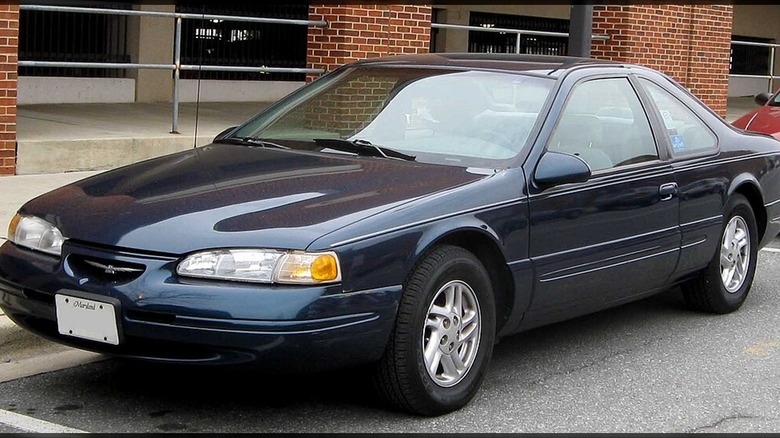
The 4.6 started life in a Lincoln Town Car back in '91, which is about as exciting as watching paint dry. But then Ford stuck it in the '96 Mustang GT, and suddenly things got interesting.
Mustang purists absolutely lost their minds. "Where's muh pushrod 5.0?!" they screamed. But you know what? The 4.6 ended up being better in almost every way. It just took people a while to figure that out.
This engine powered cop cars, taxis, work trucks, sports cars - basically everything with four wheels and a Ford badge. Some made 190 horsepower, others cranked out over 300. The same basic engine! That's pretty wild when you think about it.
The 5.4: When Ford Got Crazy
The 5.4-liter showed up in '97, mostly in trucks at first. Bigger displacement, more torque, perfect for hauling boats and lumber. Standard truck stuff, right?
Wrong. Ford had other plans.
They took this truck engine, stuck it in the middle of the Ford GT supercar, bolted on a supercharger, and suddenly it's making 550 horsepower. The same engine that was delivering Amazon packages was now competing with Ferraris. Only in America, folks.
The Shelby GT500 got the same treatment. Nothing says "screw physics" like taking a truck motor and making it scream to 7,000 RPM.

It's Still Not Dead
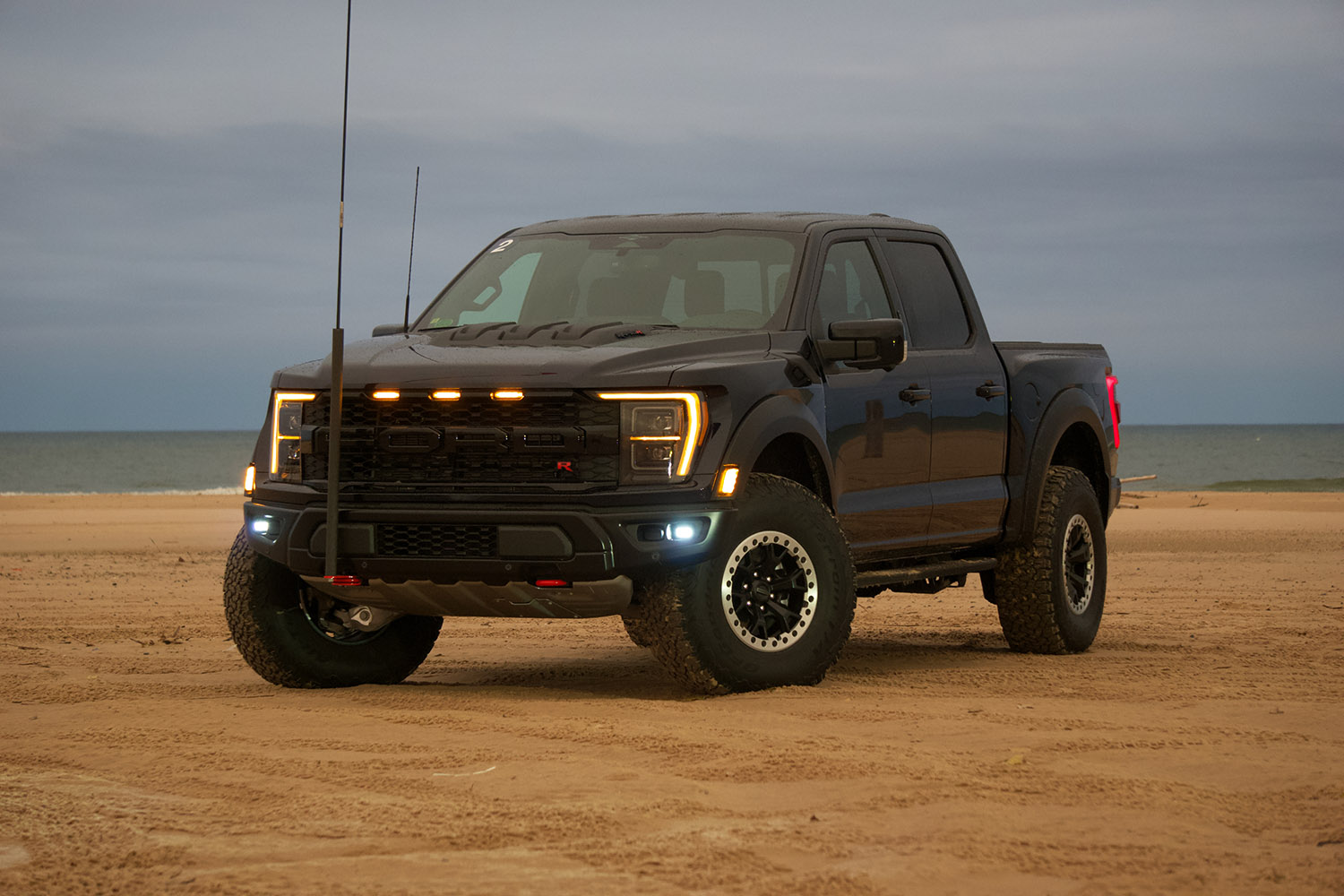
Here's where it gets really crazy - this engine family is still alive. The Coyote V8 in today's Mustang? Direct descendant. The supercharged monster in the F-150 Raptor R? Same family tree.
Ford basically took a 30-year-old design and just kept making it better. That's why it kept winning awards - it never stopped evolving. Most manufacturers would've scrapped it and started over twice by now.
The Italian Challenger
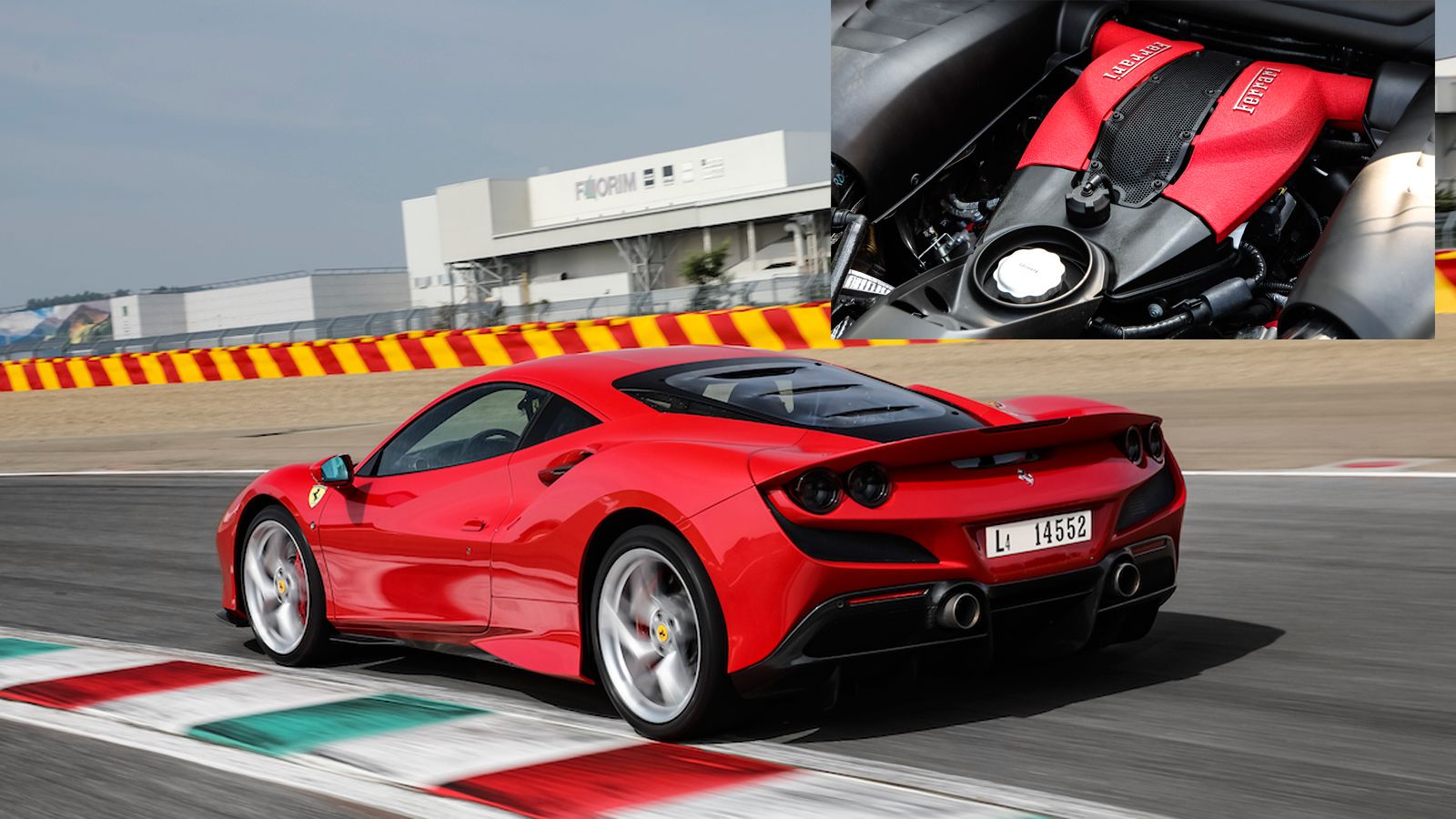
Ferrari's F154 V8 also went on a winning streak, taking International Engine of the Year four times in a row. But let's be real - that's like comparing a racehorse to a mule. The Ferrari engine is amazing, but it's never gonna power a taxi for 300,000 miles without breaking a sweat.
The Ferrari made 769 horsepower from 3.9 liters, which is absolutely mental. But good luck finding parts for it at your local NAPA store.
Why This Matters
Twelve awards over multiple decades isn't luck. It's proof that sometimes the boring answer is the right answer. Ford built an engine that could do everything reasonably well instead of one thing spectacularly, and it paid off.
The Modular V8 powered police chases, grocery runs, drag races, and Le Mans victories. That's the kind of versatility that wins awards and builds legacies.
Not bad for something that started in a Lincoln your grandfather would've driven.