
F1 Refueling: The Risky Era of Lightning-Fast Pit
by AutoExpert | 1 September, 2025
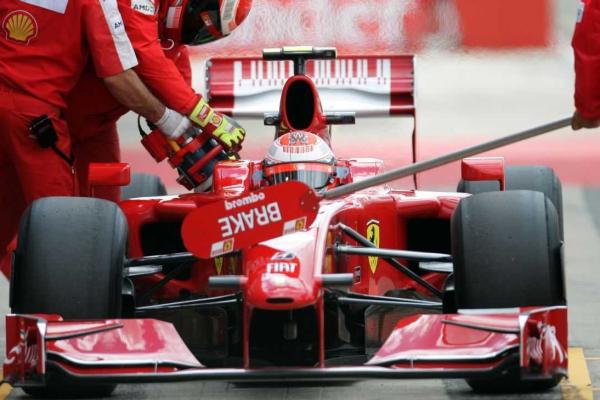
It's hard to believe, but Formula 1 cars used to get refueled during races – and we're talking lightning-fast pit stops that would make your local gas station look like it's moving in slow motion. For about 16 years, teams had this wild setup where they'd pump fuel into race cars at speeds that would make your head spin.
The whole thing started back in 1982 when the Brabham team figured out a clever loophole. Since cars had to meet a minimum weight limit that included fuel, engineer Gordon Murray thought, "Why not start with less fuel and refuel halfway through?" It was genius – lighter cars could run faster and push their engines harder.
Even though Brabham didn't win a single race that first year with refueling, everyone could see the advantage. By 1983, every competitive team was doing it, and Brabham's Nelson Piquet ended up winning the championship. But the racing officials got nervous about safety and banned it after just two seasons.
Fast forward to 1994, and refueling made a comeback. This time, F1 went all-out with specialized equipment borrowed from the airline industry. These weren't your average gas pumps – they could push fuel through at 12 liters per second. To put that in perspective, the fastest pump at an American gas station maxes out at less than one liter per second due to EPA regulations.
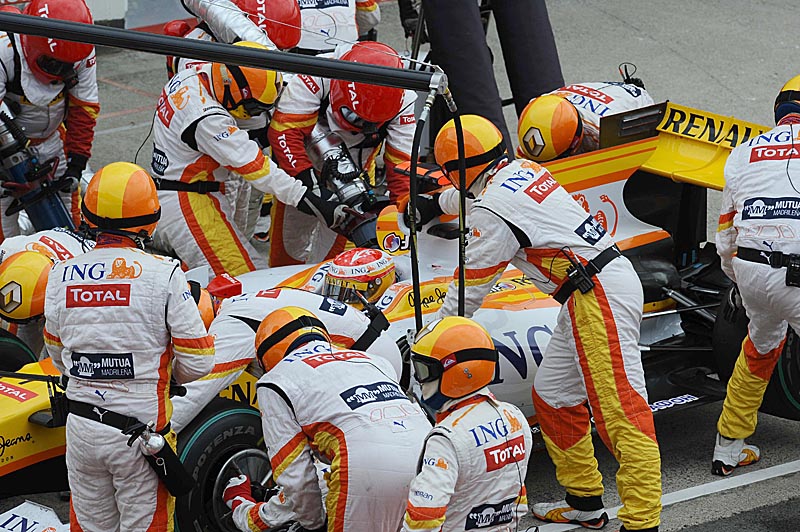
The system worked like a dream when everything went right. Teams could refuel a car in just a few seconds, adding a whole new layer of strategy to races. But when things went wrong, they went really wrong.
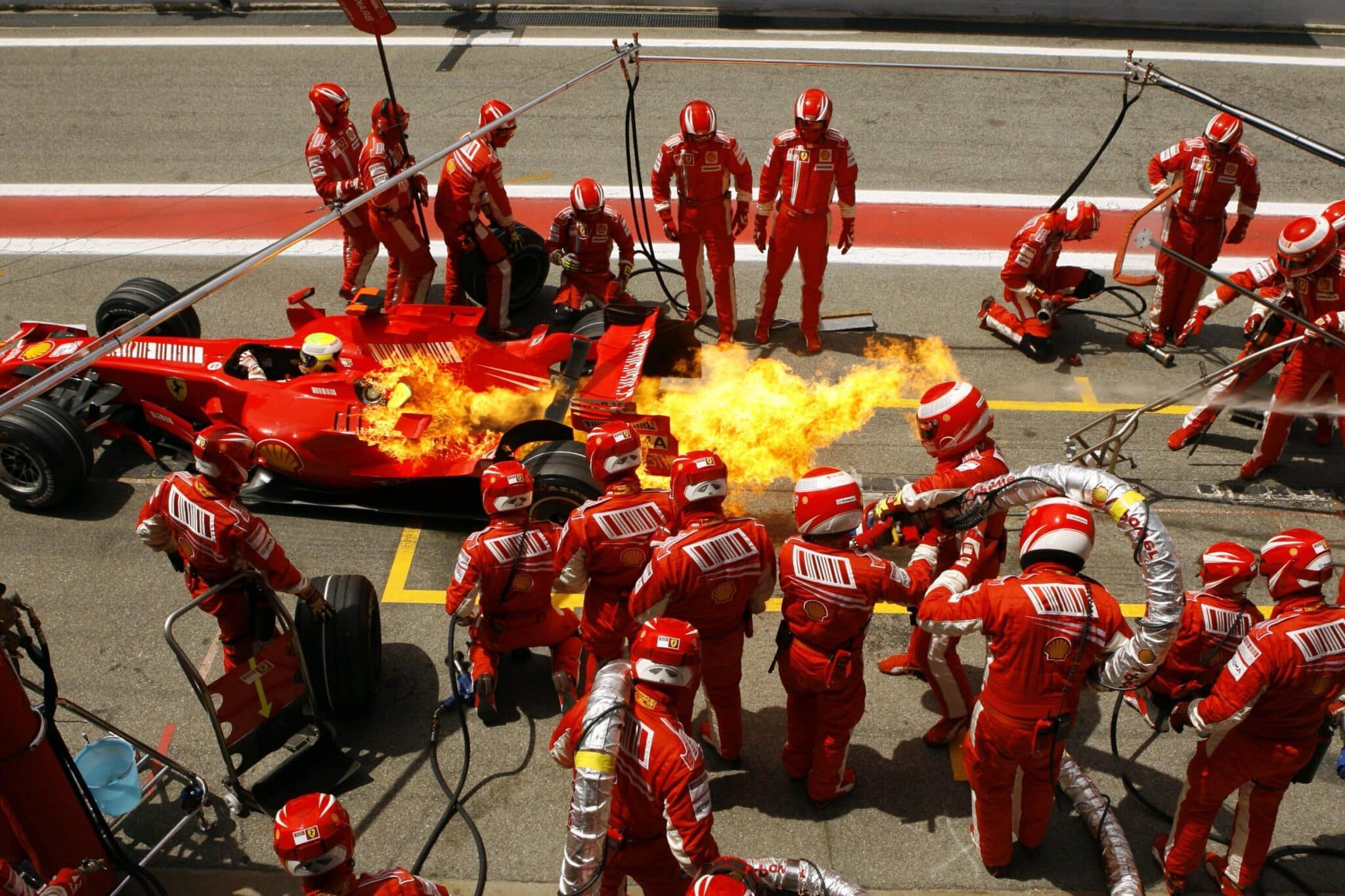
The scariest moments happened when drivers pulled away too early with the fuel hose still attached. It happened to Felipe Massa in Singapore in 2008, and then again to Heikki Kovalainen in Brazil a year later. That second incident was particularly hairy – fuel sprayed all over Kimi Räikkönen and his Ferrari before catching fire from the hot engine. Räikkönen kept racing but admitted he couldn't see for a moment because of the flames.
By 2010, F1 had seen enough. The combination of safety risks, high costs, and a desire for more wheel-to-wheel racing led to another ban. The 2008 financial crisis didn't help either – teams were looking to cut expenses wherever they could. Running a refueling operation required six crew members and expensive specialized equipment that teams were happy to eliminate.
Today's pit stops focus entirely on tire changes, and they're actually faster than ever. Teams regularly change all four wheels in under three seconds, which is pretty incredible when you think about it. While some fans miss the strategic element that refueling added to races, most agree that the sport is safer and more exciting without it.