Exploring the TVR Cerbera: The Classic British Sports Car
by AutoExpert | 3 March, 2025
Let's talk about a car that's both a nightmare and a dream come true - the TVR Cerbera. If you're not familiar with TVR, they're this small British car company that's somehow managed to survive since the 1940s despite constantly teetering on the edge of financial disaster. Pretty impressive when you think about it. Right now, they're actually working on a Mustang-powered sports car, which is cool... if it ever actually gets made.
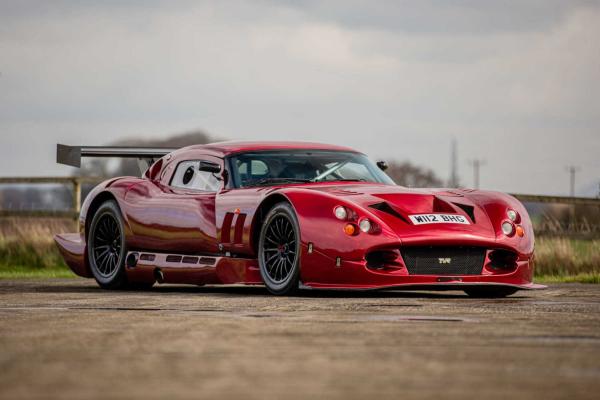
So, the Cerbera. This wild-looking sports car was made from 1996 to 2006, and guess what? The earliest models are now over 25 years old, which means - thanks to that import rule we all love - you can finally bring one to American shores. The Tuscan Speed Six is also old enough to import now, if you're crazy enough to want a matching set of British headaches in your garage.
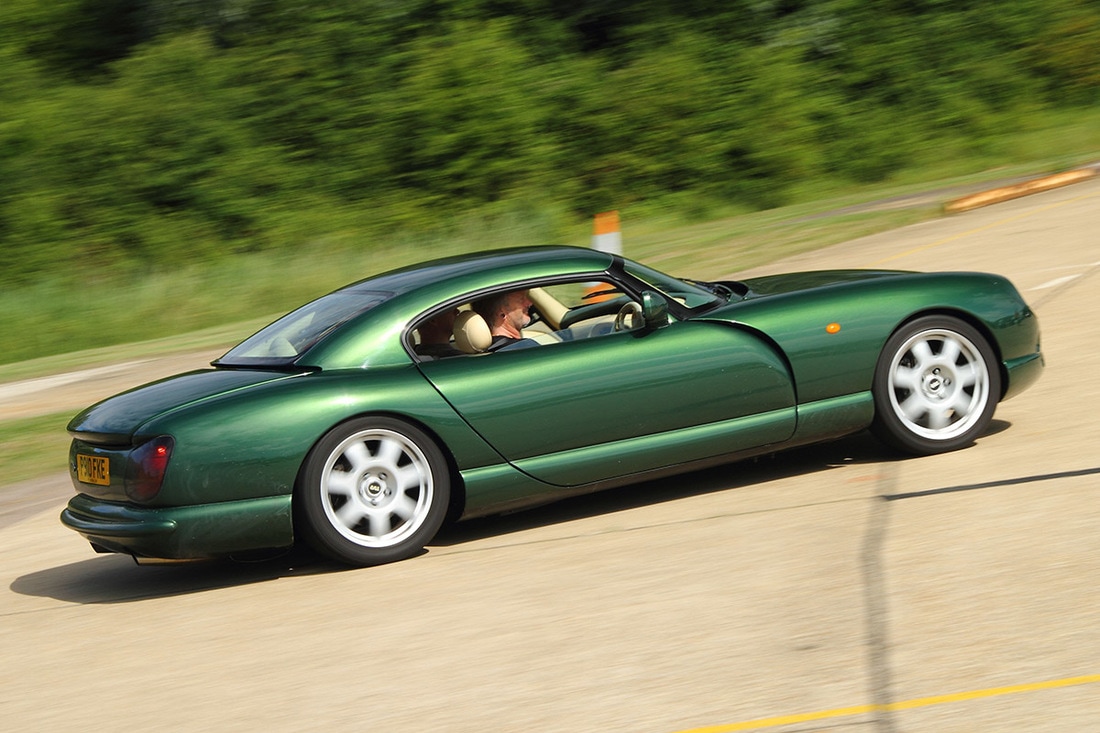
The British Corvette: Equal Parts Brilliant and Bonkers
What made the Cerbera special? For starters, it packed a homegrown V8 called the "Speed Eight." Before this, TVR had always borrowed engines from other manufacturers. But when BMW bought Rover (whose engines TVR had been using), Peter Wheeler, TVR's owner at the time, got nervous. What if BMW decided to stop making those engines? So he tasked engineer Al Melling with creating TVR's very own V8.
The result was pretty impressive on paper:
| Spec | Details |
|---|---|
| Engine | 4.2L-4.5L V8 |
| Horsepower | 360-440 hp |
| Torque | 320-402 lb-ft |
| 0-60 | 3.9-4.2 seconds |
| Top Speed | 180-193 mph |
They offered three different sizes of this Speed Eight engine: 4.2, 4.5, and 4.7 liters. They also tried making an inline-six version called the Speed Six, but it turned out to be even less reliable than the V8 (which is saying something), so they abandoned that Cerbera variant.

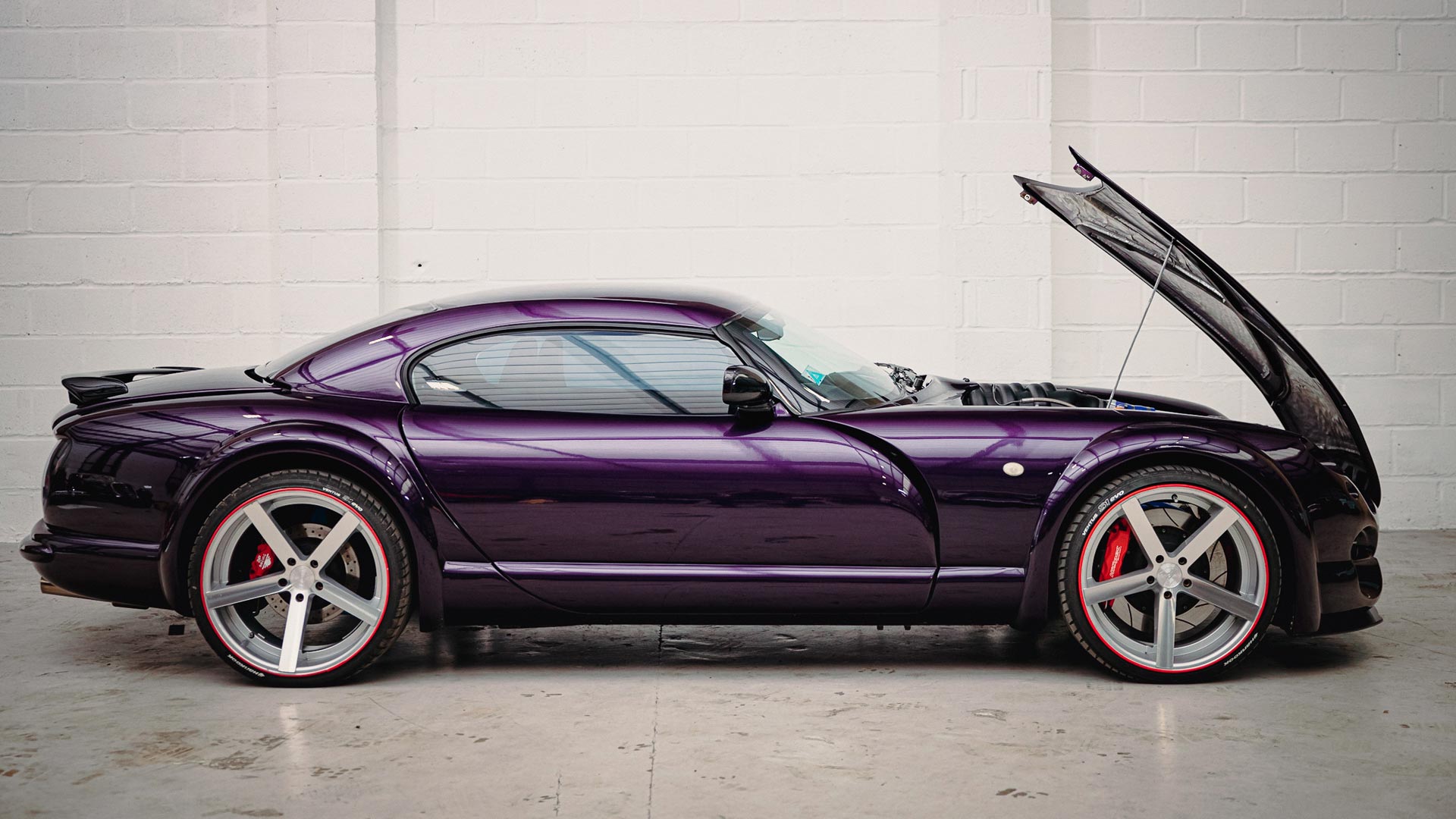
The interior layout was weird too. TVR called it a "3+1" instead of a 2+2, because the front passenger seat could slide further forward than the driver's seat, giving the person sitting behind the passenger a bit more legroom. As for looks, the Cerbera had this smooth, rounded design with circular headlights and an oval grille. They gave it a minor facelift in 2000, tweaking the headlights to look more like the Tuscan's.
Now for the fun part - the reliability issues! Almost immediately, the Cerbera became infamous for breaking down. There wasn't even an internal door handle - passengers had to press a tiny button in the door pocket to get out. The back seats were basically useless for actual humans. Nearly every component seemed designed to fail, and the warranty lasted just one year. I mean, come on.

A Brief History Lesson
The Cerbera was born under Peter Wheeler's watch. Wheeler bought TVR in 1981 after owning one of their cars and falling in love with the brand. He kept the company until 2004, when he sold it for about $17.6 million. The Cerbera followed the Griffith and Chimaera models and was first shown off at the 1993 London Motor Show. The name comes from Greek mythology - Cerberus, that three-headed dog guarding the entrance to Hades.
The Cerbera marked several firsts for Wheeler-era TVR. It was their first hardtop with a 2+2 seating layout (the previous models were two-seater convertibles), and as I mentioned, the first to use a TVR-built engine rather than one sourced from Ford or Rover.
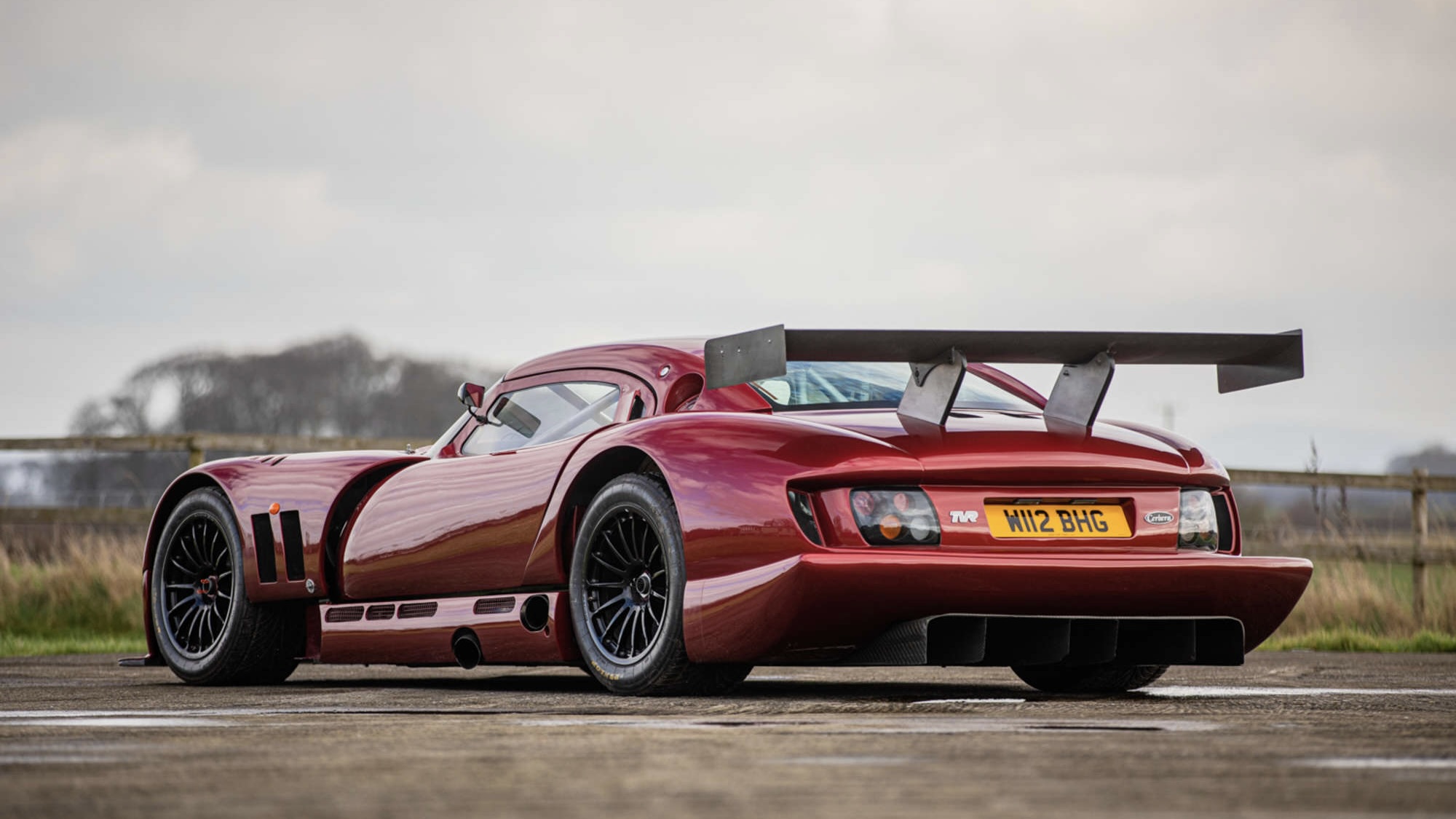
The Insane Monster That Never Was: The Cerbera Speed 12
Just as the regular Cerbera was hitting production in 1996, TVR showed up at the Birmingham Motor Show with something truly nuts: the Project 7/12 concept. The name came from its massive 7.73-liter, 12-cylinder engine, which was essentially two of those Speed Six engines grafted together. This beast was paired with a six-speed manual transmission.
Eventually, TVR planned to turn this concept into both a road car and a GT1 endurance racer. They wanted to build something faster than the McLaren F1, and they nearly pulled it off. They renamed it the Speed 12 and finalized the design. The end result? A car with 880 horsepower going to the rear wheels, weighing just 2,200 pounds - less than a first-gen Miata! And no, there was no traction control or ABS to save you.
Even by TVR standards, the Cerbera Speed 12 was completely uncontrollable. After taking it for a terrifying test drive, even boss Peter Wheeler agreed it was too much for the road. That, combined with changing GT1 racing regulations that killed its motorsport potential, led to the project's demise. Today, only one of the three Speed 12s built still exists.
The Company Behind the Madness
TVR's name comes from its founder, Trevor Wilkinson, who started "Trevcar Motors" in 1946. For the first three years, they just serviced cars and trucks. The name eventually got shortened to TVR, and in 1949 they built their first original cars - one-offs called TVR One, Two, and Three. They expanded in the early '50s, setting up a production line with the TVR Sports Saloon in 1953, and made various low-volume models throughout the next decade.
The company went bust in 1965 but was rescued by Arthur Lilley and his son Martin, who restarted it as TVR Engineering. The Lilleys invested heavily to get things going again, introducing models like the Tuscan V8, Vixen, and Tasmin.

After the Lilleys sold up in 1981, TVR had three more owners. First was Peter Wheeler with his 23-year reign, which gave us the Cerbera, Chimaera, Tamora, Typhon, and others. Then came Nikolay Smolensky in 2004, who presided over a turbulent period of layoffs and a partial move to Italy. Somehow TVR survived, and in 2013, it was taken over by business partners Les Edgar and John Chasey.
This latest incarnation of TVR revived the Griffith name, with design help from Gordon Murray and a Ford V8 engine (tweaked by Cosworth). They unveiled the new Griffith at the 2017 Goodwood Festival of Speed, but production has been delayed multiple times. Latest reports say it might start in 2024, but let's be real - with TVR's track record, I wouldn't hold my breath.