
Essential Car Features 2025: Experts Pick Top Auto Tech You Shouldn't Skip
by AutoExpert | 14 March, 2025
Car shopping these days can feel like navigating a tech store. With manufacturers cramming more and more gadgets into vehicles, how do you know which ones are actually useful and which are just expensive gimmicks?
We've tested hundreds of fully-loaded cars each year and now we know which features we'd actually spend our own cash on. Here's what made the must-have list.
Pre-heating Apps: Climate Control from Your Couch
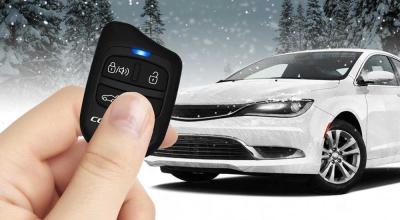
There's nothing worse than scraping ice off your windshield on a freezing morning. But what if your car could be toasty warm before you even step outside?
That's the beauty of app-based pre-heating systems. Just set your desired temperature and departure time on your smartphone, and your car handles the rest—melting ice and warming the cabin while you finish your coffee.
Electric vehicles really shine here. Unlike gas cars that need to idle the engine, EVs can simply switch on their heaters. If your EV has a heat pump, you'll get all that warmth without significantly impacting your driving range. Even better, pre-conditioning also warms up the battery, improving charging efficiency.
Passenger Screens: Peace in the Car
Most passenger screens used to be little more than bragging rights (Ferrari and Lamborghini, we're looking at you). But brands like Porsche and Mercedes have transformed them into genuinely useful tools.
These displays mirror the main interface but allow passengers to fiddle with navigation, media, and other settings without disturbing what's on the driver's screen. Many can even show videos that, thanks to clever screen technology, remain invisible to the driver.
They're especially valuable in cars where the main screen is angled toward the driver, like Audi's new MMI setup. No more awkward reaching across the cabin just to change the playlist.

Land Rover's ClearSight: X-Ray Vision for Your SUV
Cameras are everywhere on modern cars, but Land Rover's ClearSight system takes things to another level.
The digital rear-view mirror eliminates blind spots by showing a real-time feed from a roof-mounted camera—particularly useful in a Defender with a spare wheel blocking the back window.
Even more impressive is the front camera that lets you "see through" the hood. Tall front ends create massive blind spots, but this grille-mounted camera shows exactly what's underneath the vehicle, as if the hood weren't there at all.

Rear Wipers: The Endangered Feature That Still Matters
It's strange that something once considered essential is now being quietly dropped from spec sheets. Manufacturers often claim rear-view cameras make wipers unnecessary, but those cameras only work when you're in reverse!
Rear wipers remain crucial safety features, especially for city driving. The EV revolution accelerated this troubling trend, with Polestar infamously claiming a wiper would "spoil the coupé lines" of its 2 hatchback.
Even more baffling is when SUV-style family cars like the Peugeot E-3008 ship without rear wipers. Thankfully, some brands are coming to their senses—both MG and Hyundai recently backtracked and added them after initial launches without.
Vehicle-to-Grid Charging: Your Car as a Power Bank
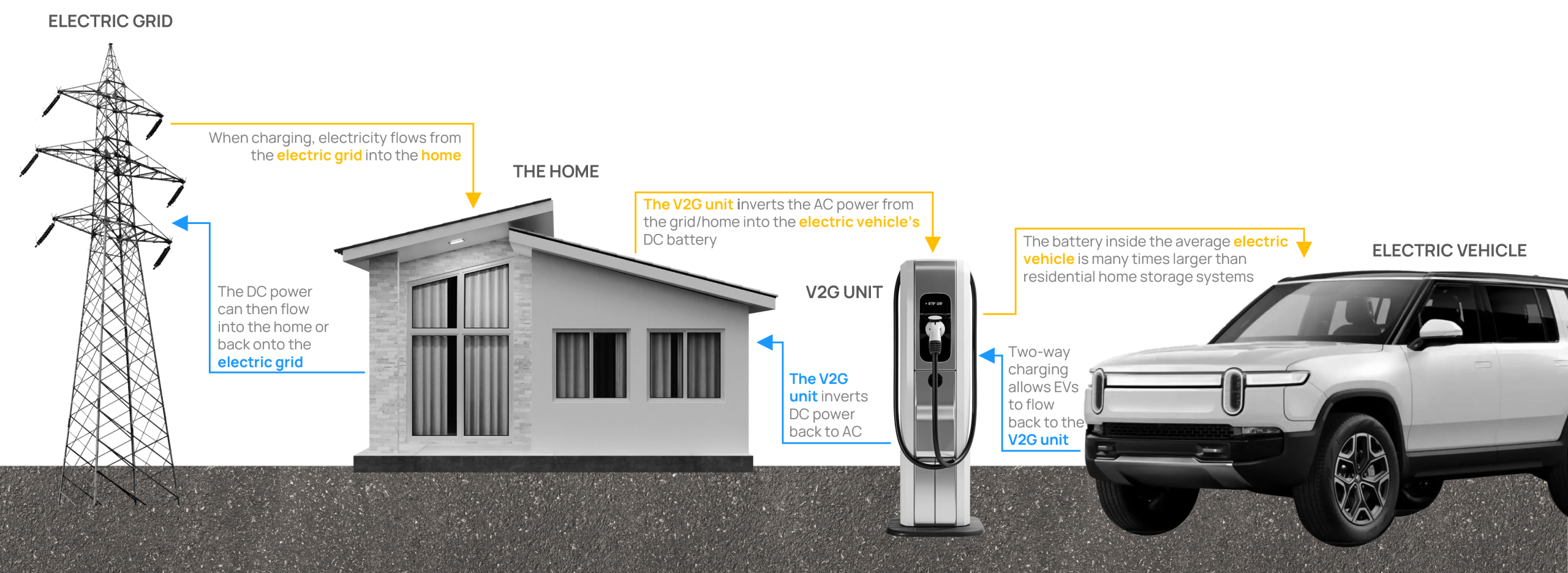
Car tech that actually reduces your energy bills? Yes, it exists. Vehicle-to-Grid (V2G) technology, available in EVs like the Kia EV9, lets your home draw power from your car's battery when national demand peaks.
When demand drops or renewable energy production surges (sometimes the UK generates too much solar and wind power), your car recharges. With the right energy tariff, this can dramatically cut costs—or even earn you money when the grid takes power from your vehicle.
The best part? Smart charging ensures your battery will be ready when you need to drive again.
Head-Up Displays: Eyes on the Road
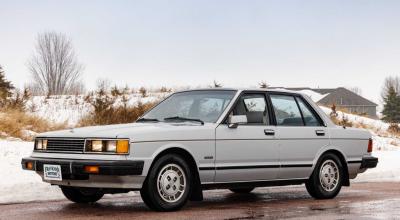
Head-up displays (HUDs) project crucial information onto your windshield or a retractable screen, eliminating the need to look away from the road. Since the Nissan Silvia pioneered them in the late '80s, they've come a long way.
The C5 Corvette was the first to offer configurable displays, letting drivers choose between seeing fuel levels, oil pressure, or coolant temperature alongside speed and revs.
Today's systems are even more sophisticated. BMW's setup shows which lane you need for your next turn when using navigation. The brand is pushing boundaries further with Panoramic iDrive, which projects a 3D display across the entire lower windshield.
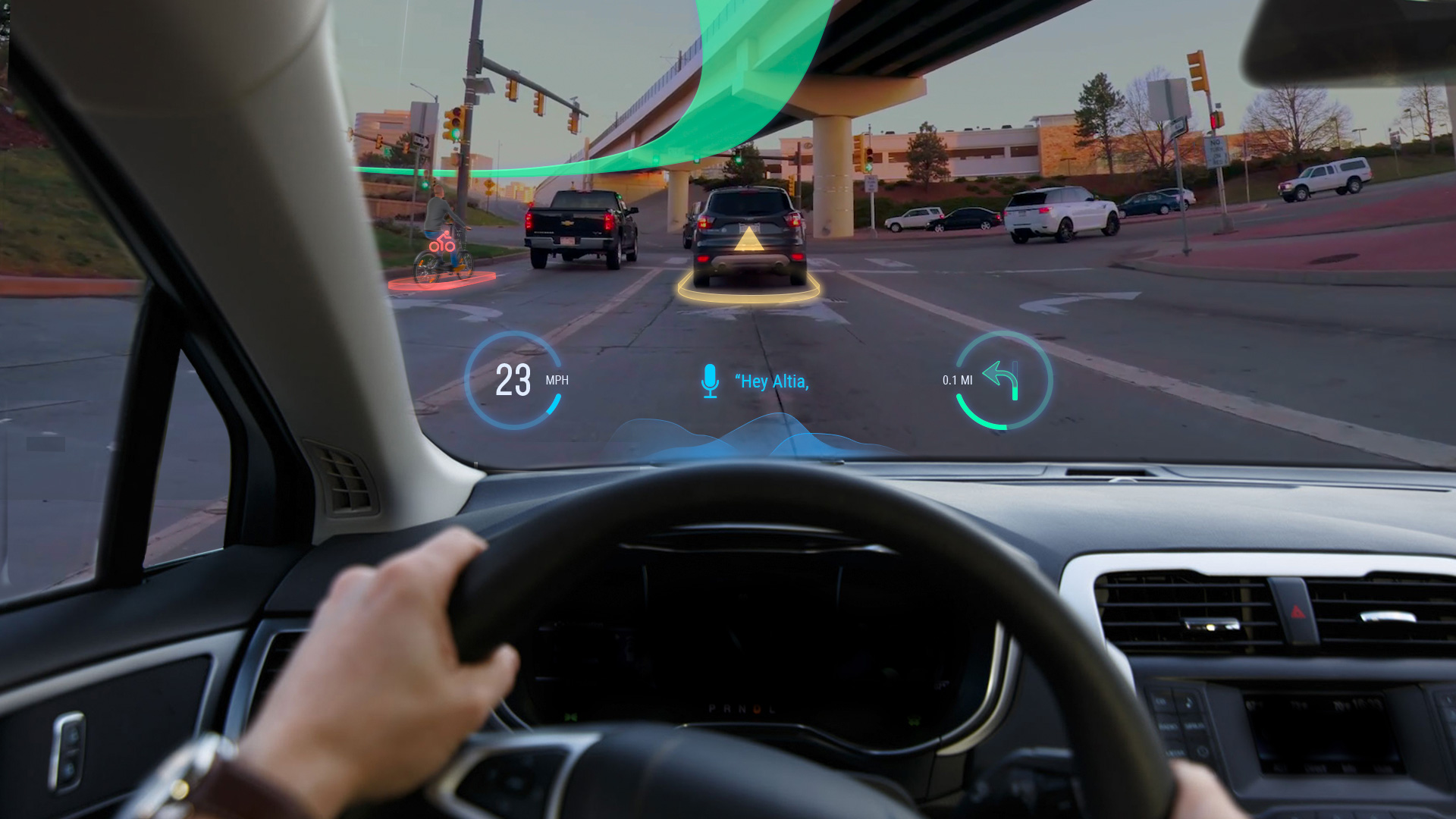
Apple CarPlay/Android Auto: Because Your Phone Does It Better
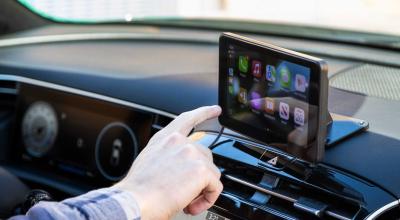
Let's be honest—no matter how much automakers invest in their infotainment systems, most of us prefer Apple CarPlay or Android Auto. They let you use familiar navigation and music apps, plus your phone's virtual assistant.
Many cars now offer wireless connectivity, making the experience seamless. Since these systems leverage your smartphone's processing power, everything loads quickly. It's no wonder brands like Renault have partnered with Google for their infotainment systems.
The next generation of CarPlay, which can take over an entire dashboard, promises to be particularly exciting.
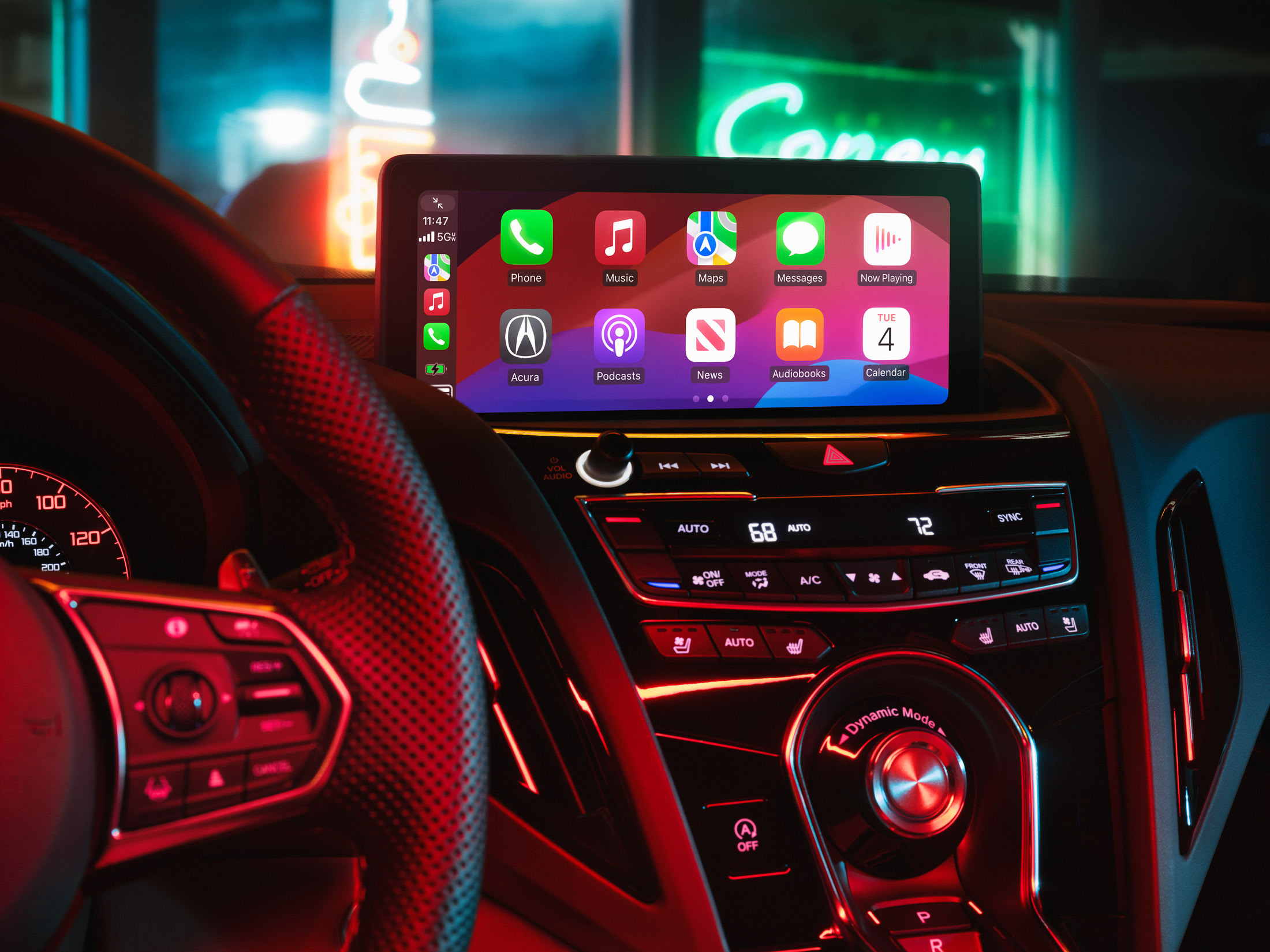
Wireless Charging: Goodbye, Cables
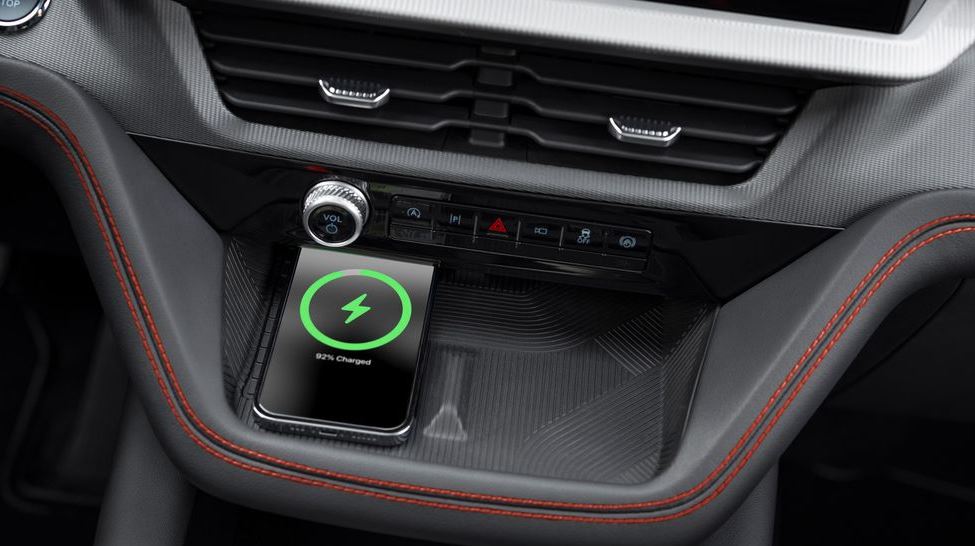
Wireless smartphone charging has become so common you'll find it in vehicles as small as the Volkswagen Polo and Hyundai i10. Once you get used to it, you might never pack a cable again.
Given how fragile wired chargers tend to be, wireless charging can save money in the long run too. Not all implementations are equal, though. Some cars, like the MG4, use shallow trays that send phones flying during sharp turns. Others can overheat your device during charging.
Blind-Spot Monitoring: No More Neck Strain
Unless you're exceptionally flexible, checking blind spots can be uncomfortable—especially when changing lanes at highway speeds. Blind-spot monitoring makes this easier, particularly during long drives or hectic city traffic.
Hyundai and Kia have recently elevated this feature. Their top models with surround-view cameras now display a live feed in the gauge cluster showing whatever's in your blind spot when you activate the turn signal. These extra "eyes" mean less time craning your neck and more focus on the road ahead.

Panoramic Roofs: Let There Be Light
A panoramic roof might seem like a luxury, but it's worth every penny. Whether it's a powered sunroof or a fixed glass panel, it transforms dark interiors into bright, airy spaces.
Renault's Solarbay roof takes this concept even further. Available in models like the Rafale, Scenic, and Symbioz, it uses electrochromatic glass that darkens on demand. With four different settings, you can even keep the front sunny while shading the back if passengers complain about glare on their screens.
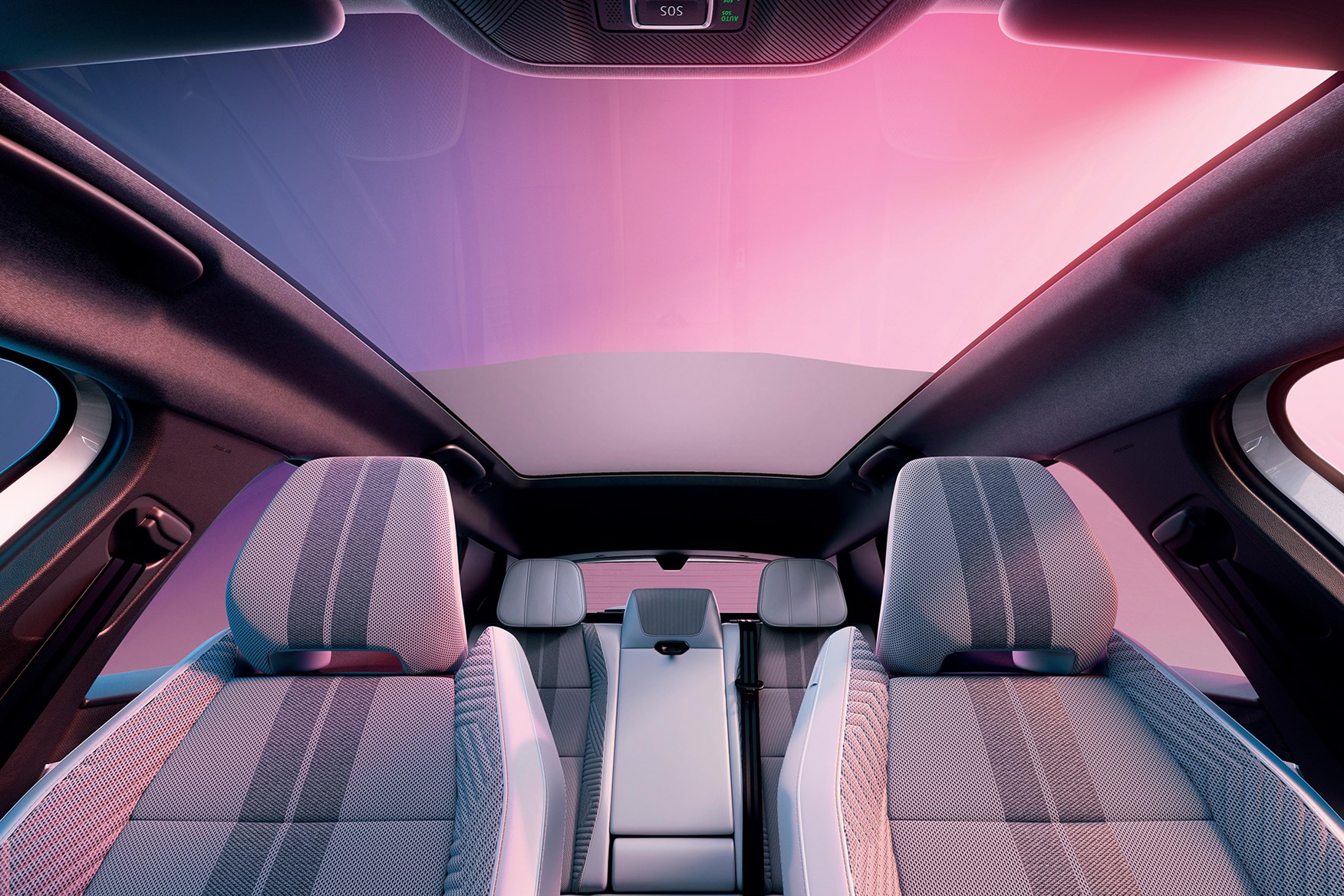
The best feature? Voice control lets you simply say, "Hey Google, close Solarbay" or "Hey Google, open Solarbay at the front." Once you've experienced it, you'll never want to go back to a regular roof.