
Electric Cars & Motion Sickness: Why EVs Make Passengers Queasy
by AutoExpert | 25 July, 2025
Electric cars are everywhere these days - they made up 22% of new car sales worldwide in 2024. But there's a weird side effect nobody saw coming: people are getting way more motion sick in EVs than regular cars. Social media is full of complaints from passengers who feel queasy after riding in Teslas and other electric vehicles.
Turns out there's actual science behind why electric cars make people want to hurl.

Brains Are Stuck in the Past
The main culprit? People's brains are still calibrated for gas-powered cars. After decades of riding in vehicles that rumble, rev, and vibrate, human brains have learned to predict what's coming next based on engine sounds and vibrations.
"The brain lacks accuracy in estimating motion forces because it relies on previous experience in other types of cars," explains William Emond, a PhD student studying car sickness in France. Basically, when someone hears an engine rev up, their brain automatically prepares for acceleration. Electric motors make no such warning sounds.

Silent but Sickening
This silence thing is a bigger deal than it sounds. Multiple studies have found that the lack of engine noise in EVs contributes significantly to motion sickness. Without those familiar audio cues, passengers can't anticipate when the car is about to speed up, slow down, or turn.
Research has also linked the specific vibrations of electric vehicles to worse motion sickness. EVs vibrate differently than gas cars, and people's inner ears haven't adapted to these new patterns yet.

The Regenerative Braking Problem
Here's where it gets really technical but important: EVs use something called regenerative braking, which basically means the car slows down gradually by converting motion into battery power instead of just hitting the brakes hard.
This creates what researchers call "low-frequency deceleration" - the car slows down smoothly and steadily over a longer period. Sounds nice, right? Wrong. This type of gradual slowing actually triggers motion sickness more than traditional braking.
A 2024 study confirmed that regenerative braking is one of the main triggers for feeling sick in electric cars. The smoother the braking feels, the worse people tend to feel.

When Brains Get Confused
Motion sickness happens when different parts of the body send conflicting signals to the brain. The inner ear says one thing, the eyes see something else, and the body feels yet another thing. When these signals don't match up, the brain basically throws a tantrum in the form of nausea.
In gas cars, people have learned to sync up all these signals over years of experience. The brain knows that engine revving means acceleration is coming, so everything stays coordinated. In EVs, that coordination breaks down because the familiar cues are missing.
"When the motion forces as estimated by the brain differ from what actually is experienced, then the brain interprets this as a situation of conflict," Emond says. If that conflict goes on too long, hello motion sickness.

Drivers vs. Passengers
Interestingly, drivers rarely get motion sick because they know what's coming - they're the ones controlling the car. It's passengers who suffer because they can't predict the vehicle's movements, especially in the nearly-silent cabin of an electric car.
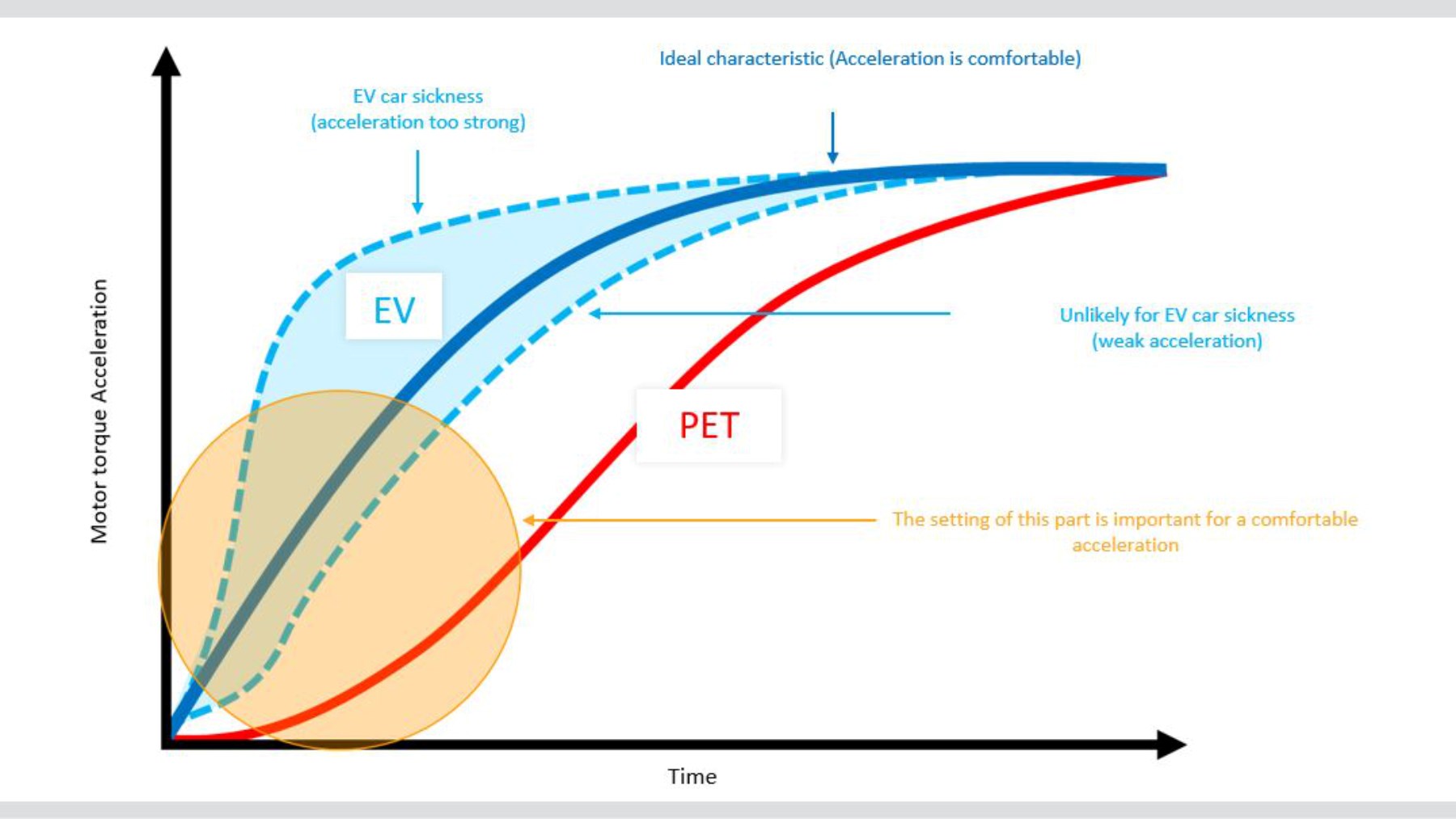
The Fix Is Coming
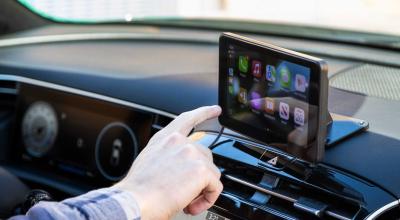
Researchers are already working on solutions. Some studies suggest that visual cues like interactive screens or ambient lighting could help passengers anticipate motion changes. Others are looking into vibrational signals that would give people's brains the heads-up they're missing.
Until then, anyone prone to motion sickness might want to stick to the driver's seat when riding in electric cars. Or maybe pack some dramamine.