Electric Cars' Cybersecurity: The Spy Risk of Connected EVs
by AutoExpert | 28 July, 2025
Electric vehicles are getting more attention these days, but not just for their eco-friendly credentials. Security experts are raising eyebrows about whether these high-tech rides could become the next playground for hackers and foreign spies.
Recent reports suggest that British defense companies have started warning their employees against connecting personal phones to Chinese-made electric cars. The concern? Beijing might be able to extract sensitive data from connected devices.
Your Car Could Be Watching You
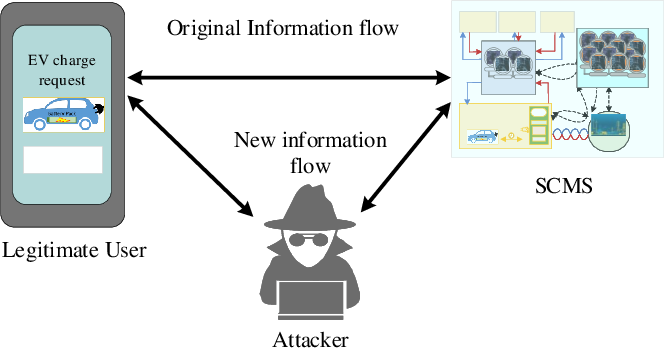
Modern electric vehicles are basically computers on wheels, packed with cameras, microphones, and internet connections. According to cybersecurity experts, this makes them prime targets for data collection.
These cars can update their software remotely – a handy feature that also creates potential backdoors for data theft. Plus, when drivers connect their phones via Bluetooth or charging cables, they're essentially handing over access to all their personal information.
"Think of it this way," explains one security researcher. "A modern EV with all its sensors and connectivity could easily be turned into a mobile surveillance platform."

Who Should Actually Worry?
Not everyone needs to lose sleep over this. The biggest concerns are for people working in sensitive industries – think defense contractors, government officials, or anyone handling classified information.
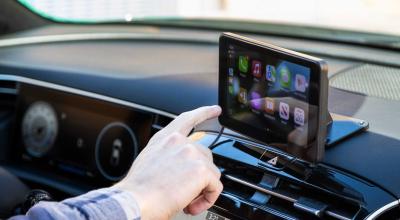
For regular drivers, the risk is pretty minimal. But there are some basic precautions worth considering. When connecting a phone to any car (especially rental cars), users can choose the "don't trust" option to limit data sharing. Of course, this means giving up convenient features like music streaming and hands-free calling.
Rental car users should be particularly careful since they often forget to wipe their personal data from the car's system before returning it.
Why the Focus on Chinese Cars?
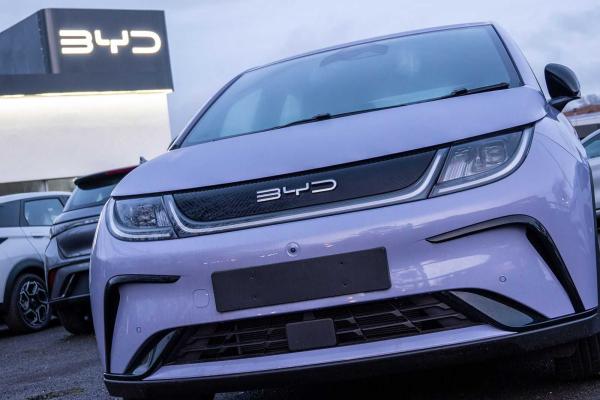
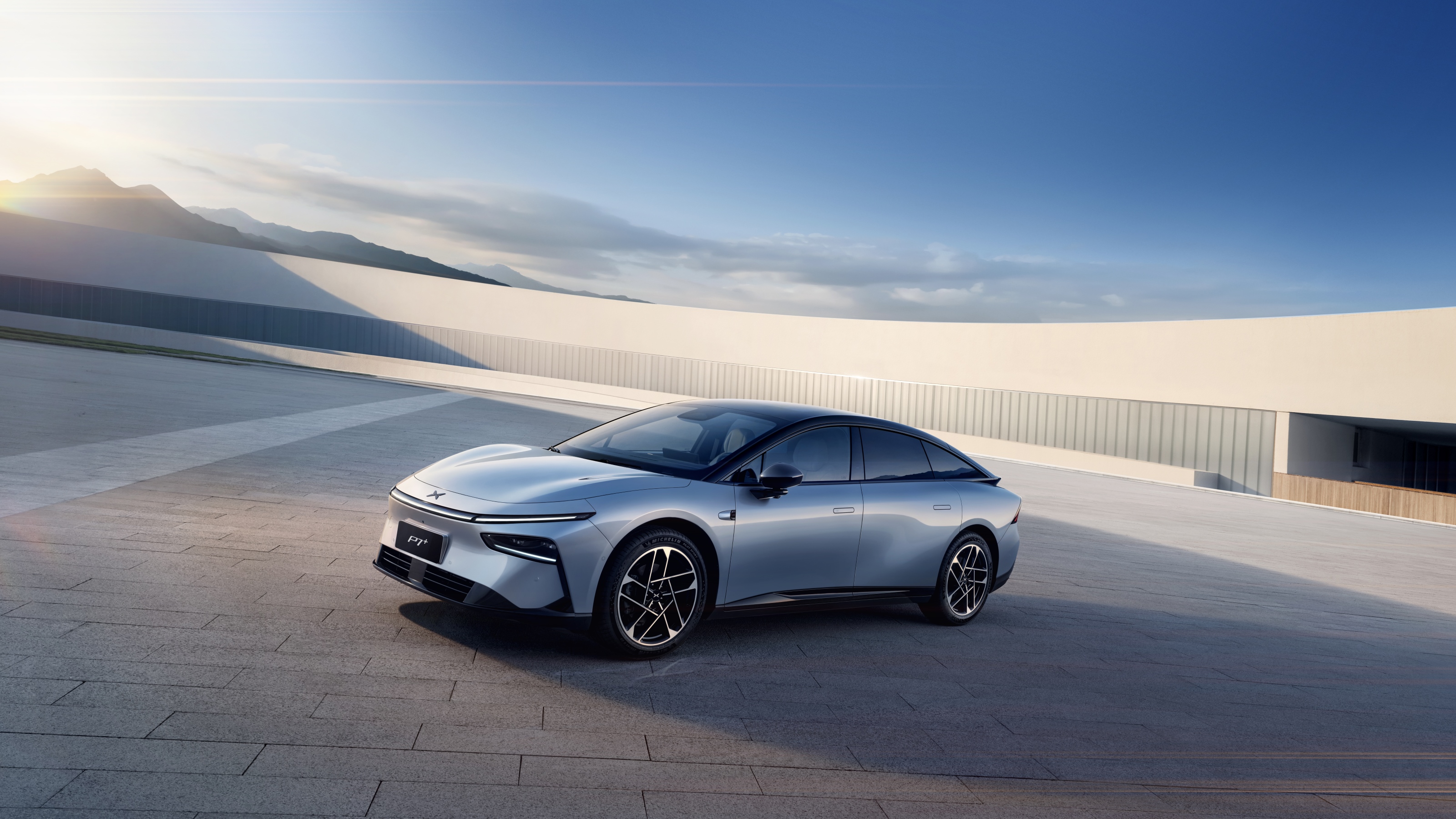
China has become a major player in the EV market with brands like BYD and XPeng. The security concerns stem from Chinese law, which requires all companies and citizens to cooperate with national intelligence efforts when asked.
However, cybersecurity experts point out there's no public evidence of Chinese EVs actually being used for espionage. Some even question whether China would risk damaging a lucrative export industry by turning cars into spy tools. After all, smartphones and smartwatches are probably easier targets for intelligence gathering.
What's the US Government Saying?
The Biden administration has taken a much more aggressive stance than the UK. The U.S. Commerce Department proposed prohibiting key Chinese software and hardware in connected vehicles on American roads due to national security concerns - a move that would effectively bar nearly all Chinese cars from entering the U.S. market.
The administration has sounded an alarm about the potential for modern transport to be used as a tool for spying or to create domestic chaos during a conflict. This proposal goes beyond just Chinese vehicles and also targets Russian technology in connected cars.
The move represents a proactive approach following a federal investigation into the national security risks posed by internet-connected vehicle technology from countries of concern. Unlike the UK's more measured response, the US appears ready to completely block Chinese automotive technology from American roads.
Industry groups maintain that all manufacturers selling cars in any market must follow local data privacy regulations, and that drivers can remove personal data from vehicles according to manufacturer instructions.