EGR Delete: 5 Things to Know Before Modifying Your Diesel Truck
by AutoExpert | 1 September, 2025
Thinking about removing that EGR system from your diesel truck? Hold up – there's way more to this decision than just better performance and cleaner air intake. While plenty of truck owners swear by EGR deletes for improved power and reduced maintenance headaches, jumping into this modification without doing your homework could land you in some serious hot water.
The EGR (exhaust gas recirculation) system isn't there to annoy you – it actually serves an important purpose. It cuts down on NOx emissions, which are nasty pollutants that can mess with people's lungs and contribute to smog. But here's the thing: many truck owners see it as a performance killer that gunks up their engines with carbon buildup over time.

Before you start shopping for delete kits, here are five crucial things to consider.
1. It's Illegal on Public Roads
Let's start with the big one – EGR deletes are illegal for street-driven vehicles in the United States. The EPA's Clean Air Act requires all road-legal vehicles to keep their emissions equipment intact. Sure, you can run a deleted truck on private property or at the track, but drive it on public roads and you're breaking federal law.
The "deleted truck" trend keeps growing despite the risks. Truck owners are ditching EGRs, DPFs, and SCR systems for better performance, but the penalties are no joke. Vehicle owners can face fines up to $5,000, while the shops doing the work can get hit with million-dollar penalties. Several tuning businesses have learned this lesson the hard way recently.

2. Say Goodbye to Your Warranty and Insurance
Car manufacturers aren't stupid – they've got ways to figure out if you've been messing with emissions equipment. An EGR delete is pretty much guaranteed to void your warranty, and the EPA has made it clear that any "defeat device" will disqualify you from warranty coverage.
Insurance companies aren't fans either. Even basic exhaust modifications can make insurers nervous, sometimes requiring expensive custom policies. Plus, good luck trying to trade in or sell an EGR-deleted truck – most dealers won't touch them, and they'll definitely fail emissions testing in states that require it.
3. Check Engine Lights Everywhere
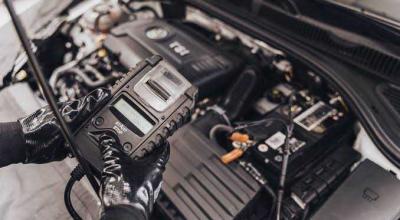
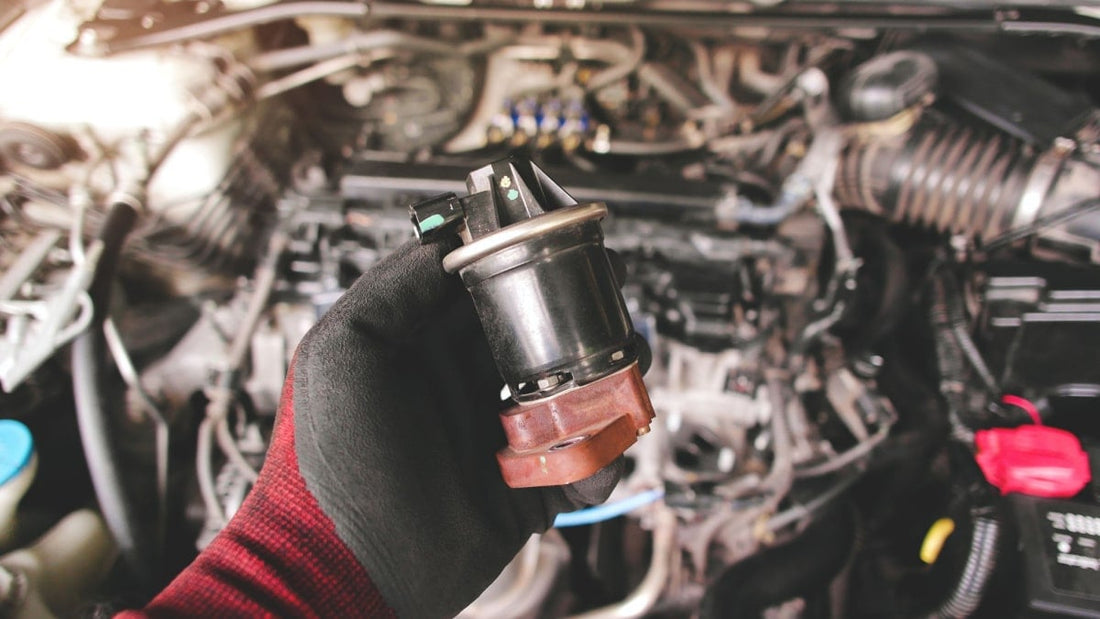
Modern trucks are smart, and they know when something's missing. Pull out the EGR system and you'll instantly get a check engine light plus a bunch of error codes like P0401, P0402, and P0404 – all related to EGR flow and circuit issues.
This means you'll need ECU tuning to keep the truck running properly without that annoying light constantly reminding you of what you've done. Some people try EGR simulators to trick the computer, but that's just another band-aid solution that might not work long-term.

4. Your Engine Will Run Hotter
Here's something many people don't think about – the EGR system actually helps keep combustion temperatures in check. Remove it, and you're looking at hotter cylinder temps and higher pressures that can stress engine components.
This extra heat and pressure can be rough on pistons, rings, head gaskets, and especially turbochargers. The turbo has to deal with hotter exhaust gases, which can shorten its lifespan significantly. Before going down this road, make sure your engine is in solid shape with good compression, no leaks, and a cooling system that's up to the task.

5. Delete vs. Block – Pick Your Poison
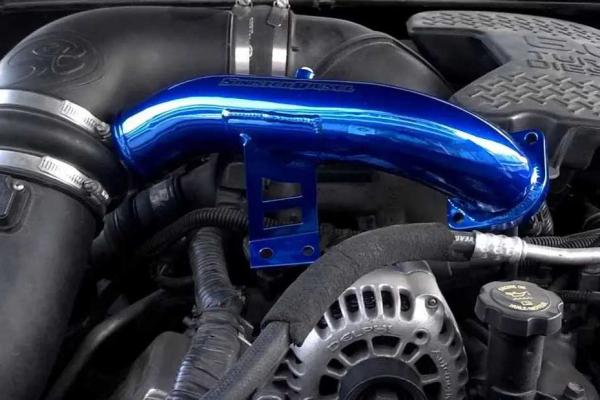
If you're dead set on this modification, you've got two main options. A full delete removes the entire EGR system, freeing up space in the engine bay. Alternatively, you can block or "blank" the system with plates that prevent exhaust gas recirculation while leaving the hardware in place.
Both approaches require ECU reprogramming to avoid warning lights. However, some truck owners report problems with blocking plates, as pressure can build up against them and potentially cause engine damage down the line.
The bottom line? EGR deletes might solve some problems, but they create plenty of new ones. Between legal risks, warranty issues, and potential engine damage, it's a modification that requires serious consideration of the consequences.