
E15 Fuel vs. Classic Cars: Will 15% Ethanol Really "Grenade" Your Old Engine?
by AutoExpert | 17 November, 2025
Anyone who dailies an old car already knows fuel is a pain in the ass. Everything's got ethanol in it now, and while modern cars couldn't care less, try explaining that to a 50-year-old carburetor. So when California started offering cheaper E15 at more pumps, the classic car forums went nuts. Half the people swore it'd grenade their engines, the other half said everyone's being dramatic. Who's right?
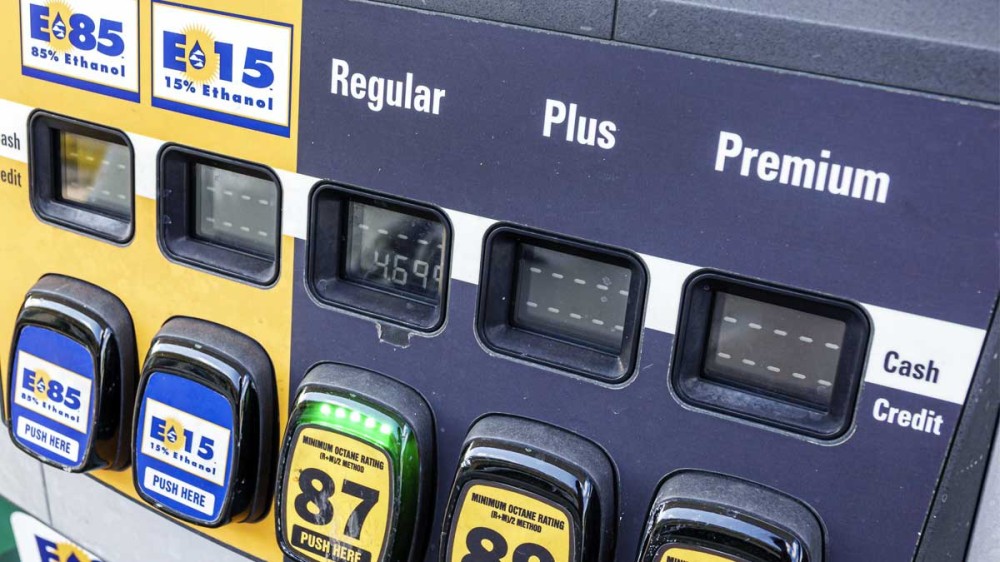
What's E15 Anyway?
Just gas with 10-15% ethanol instead of the usual 10%. It's not E85, which is basically race fuel for flex-fuel cars. E15 is supposed to be fine for anything 2001 or newer. Gas stations are meant to use regular or E10 for older cars.
But accidents happen. What if someone fills up a '95 Bronco with it? Or god forbid, a carbureted '73 Bug? Does the engine immediately explode?
What Actually Happens
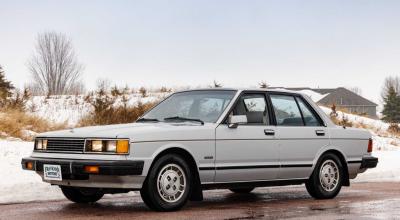
Depends. A fuel-injected car from the mid-90s? Honestly won't even notice. That 2001 cutoff is pretty arbitrary. A '96 Cherokee will chug it down just fine.
Carbureted stuff from the '70s though? That's different. Ethanol does some annoying things:
Sucks up water like crazy. Now you've got moisture sitting in your tank rusting everything out. Fun.
Dissolves rubber. Old fuel lines weren't made for this. People have had ethanol eat straight through their lines and had gas fumes filling the cabin.
Wrecks carburetors. Water gets in the float bowl, jets start rusting, metal bits break off and go for a ride through your engine.
Burns way hotter. Throws off the whole air-fuel ratio. Older engines can't compensate, so they run hot and start knocking.
One Fill-Up Won't Kill You
Let's say someone pumps E15 by mistake. Will the engine seize up on the drive home? Nah. Even finicky old cars can handle a tank without dying. Most American gas already has E10 in it anyway, so a bit more ethanol one time isn't gonna matter.
Using it all the time in something carbureted? Yeah, that'll bite you eventually.
How to Fix It
Mid-90s cars are usually fine with E15. But if you're running something actually old and can't avoid modern fuel:
Replace the fuel lines with ethanol-resistant ones. Cheap fix.
Re-jet the carb to handle how ethanol burns.
Stay on top of maintenance. Keep things clean and dry, because ethanol plus moisture equals rust, and rust equals a bad time.
Some guys throw flex-fuel kits in newer classics so they can run whatever. For older stuff it's easier to just swap a few parts and move on.
So What's the Deal?
E15 isn't some death sentence for classic cars, but it's not ideal either. Something from the late 90s? You're fine. Carbureted car from the muscle car era? Maybe avoid it if you can. Accidentally fill up once? Don't sweat it. Just don't make it a habit, and upgrade a couple things if E15 is becoming the only game in town.