Drowsy Driving: Why 17 Hours Awake Equals Driving Drunk & How Car Alerts Work
by AutoExpert | 10 November, 2025
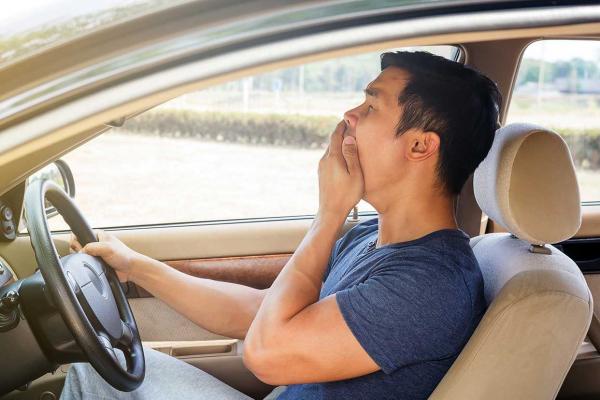
Here's something wild: most of us would never touch our car keys after a few drinks, but we'll happily hop behind the wheel running on fumes and three hours of sleep like it's no big deal.
The NHTSA says those two things are basically the same gamble—your reaction time tanks, you stop paying attention, and suddenly you're a hazard. But for some reason, we only feel guilty about one of them.

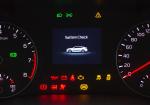
That's where drowsiness alerts come in, and honestly, they're kind of genius because you don't always know you're toast until your car's like "hey, maybe pull over." Volvo usually gets the credit for bringing this stuff to the US with the S80, but a totally unremarkable 2005 Citroën C4 hatchback actually got there first with its lane-keep system. It had these infrared sensors watching the road, and if you started drifting, your seat would vibrate on whichever side needed course correction. Nobody called it a drowsiness detector at the time, but that's exactly what it was doing—jolting people awake before they ended up in a ditch.
Way More People Are Driving Exhausted Than You Think
Here's the problem with tracking drowsy driving: there's no breathalyzer for tiredness. Drunk driving? Easy, check the blood. Too tired to function? Good luck proving that after a crash. In 2017, police reports caught about 91,000 drowsiness-related accidents—50,000 injuries, 800 deaths. Everyone knows that's lowballing it big time.
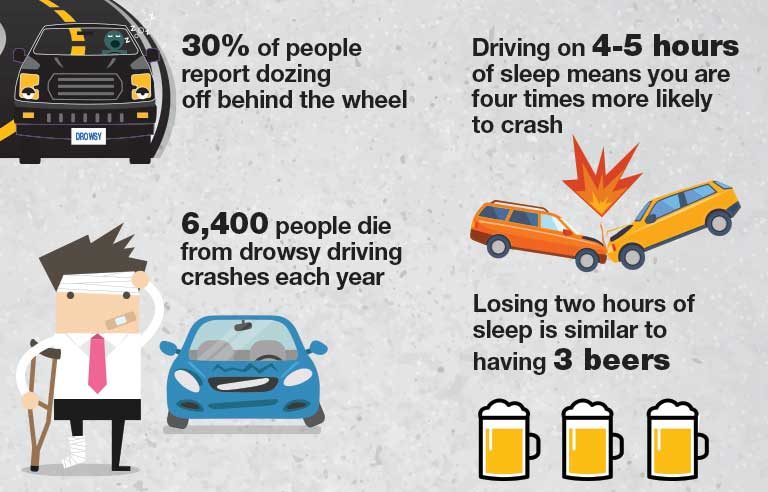
The NHTSA thinks closer to 6,000 people die every year from driving tired. That's nearly 18% of all fatal crashes between 2017 and 2021. Alcohol? Around 30% of traffic deaths. Yeah, it's higher, but not by as much as you'd expect given how much we talk about drunk driving versus never mentioning the exhaustion thing.
And get this—60% of drivers admit they've driven while completely wiped out. Twenty percent say they'd be totally fine driving on two hours of sleep. But only 23% will admit to driving drunk. We're all embarrassed about the beer but weirdly casual about the all-nighter. Makes zero sense when both things can kill you just as easily.
A French Hatchback Nobody Remembers Started All This
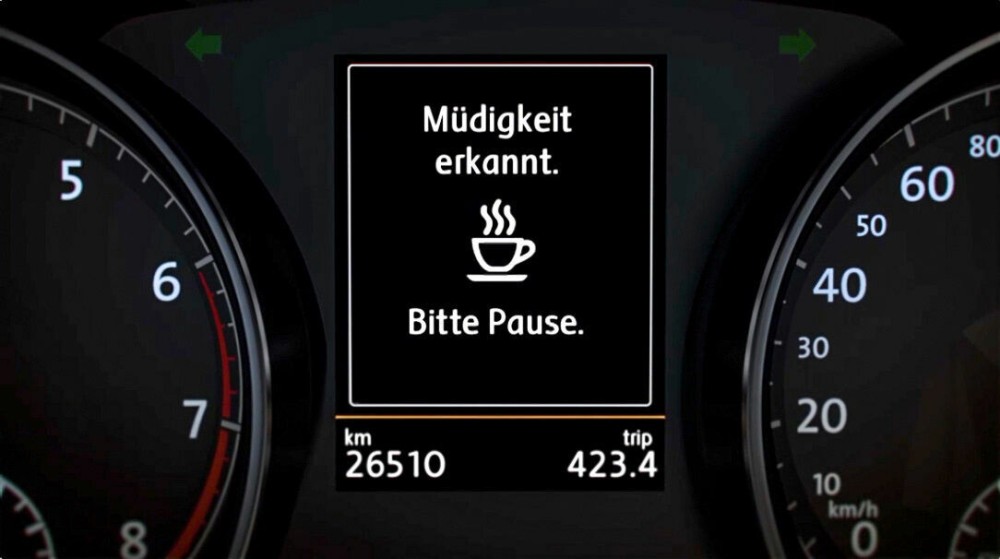
Volvo rolled out its Driver Alert Control in 2007, which watched for wonky steering patterns and lane drifting, then basically told you to grab a coffee. But that 2005 Citroën C4 was already doing it with its lane-keep tech—infrared sensors tracked the lines, seat buzzed when you wandered. It was meant to keep you centered, but turns out it was great at waking people up too.
Lane departure stuff goes way back—some guy in Britain jury-rigged his own setup in a Rover in '88. Mercedes started putting it in big rigs around 2000. Fast forward to now and literally everyone's got some version of it, from your basic Honda to fancy SUVs.
Turns Out Cold Air and Loud Music Don't Do Squat
Remember all those tips? Windows down, AC cranked, music blasting, pinch yourself to stay alert? Yeah, a study back in '98 found that stuff is basically useless. Caffeine sorta works. A quick nap works better. Actual sleep is the only thing that really fixes it.
These days the systems are way smarter—still watching for lane weaving, but now there's cameras tracking where you're looking. Subaru's DriverFocus thing has people actually liking it, which almost never happens. Like 9 out of 10 users say it's helpful. That's crazy for safety tech that's usually just annoying.
Staying Awake Too Long Hits You Like Booze
Seventeen hours without sleep does the same thing to your brain as knocking back two beers—you're at about 0.05% BAC. Make it a full day awake and you're cruising at 0.10%, which is legally drunk. Most states don't specifically ban tired driving, but New Jersey and Arkansas will hit you with vehicular homicide if you kill someone after being up for 24 hours straight.
Bottom line: when that alert keeps beeping at you, just pull over. Doesn't matter if you're five minutes from home or the highway's empty. Take a nap. It could literally be the difference between getting home safe and not getting home at all. The tech's great and everything, but it's not gonna fix a night of garbage sleep. It just reminds you what you already knew but were ignoring.