Dodge Viper Buying Guide: Which Untamed Beast Is Right For You?
by AutoExpert | 3 June, 2025
The Dodge Viper was America's answer to European supercars – if that answer involved a massive V10, zero electronic nannies, and a genuine chance of ending up backwards in a tree. It's been eight years since the last one rolled off the line, and nothing quite like it will ever exist again.
This raw, unfiltered beast ran from 1992 to 2017 across five generations, each with its own quirks and price points. Here's what buyers need to know about each era.
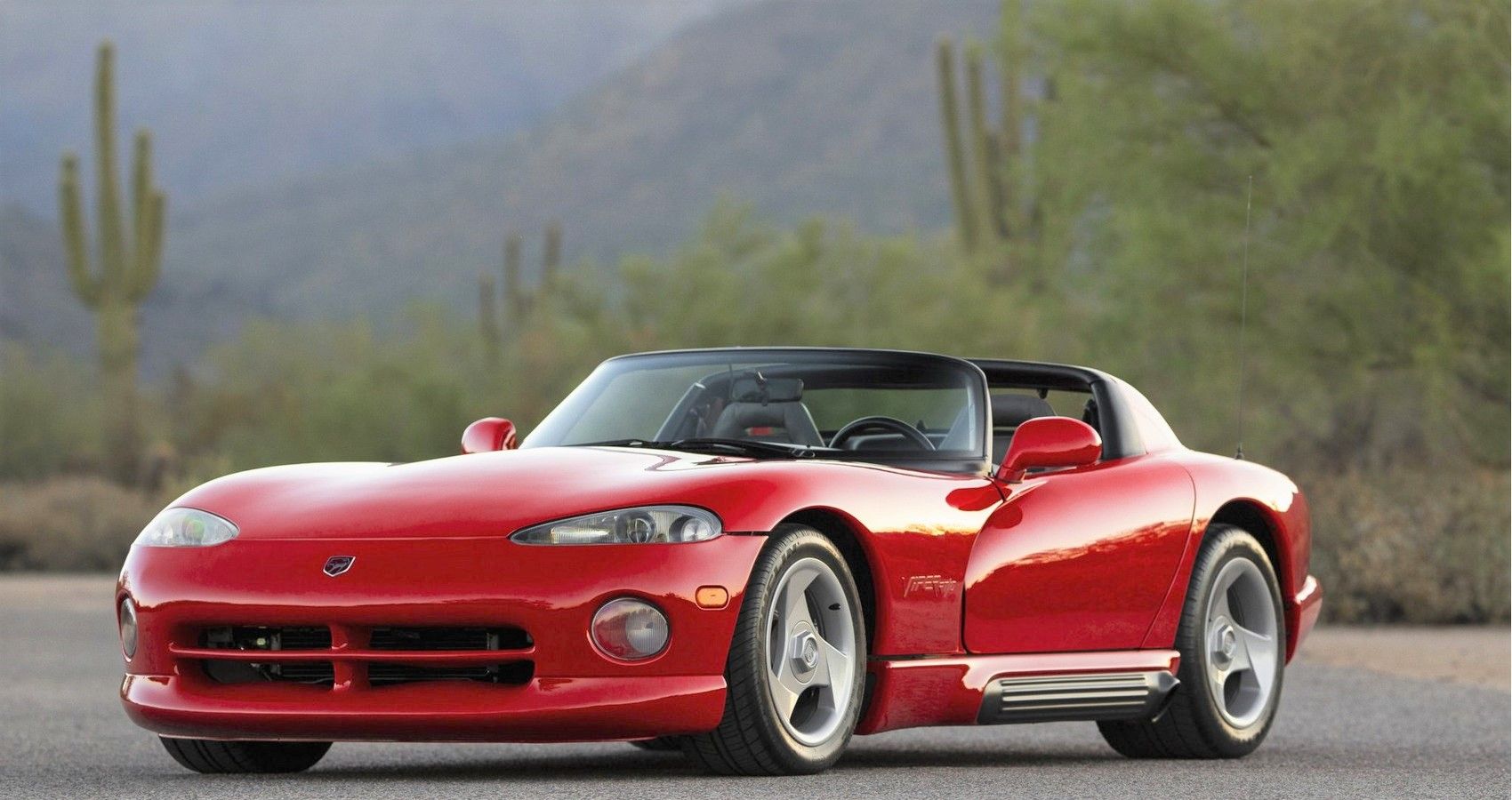
First Generation (1992-1995): The Wild West Years
The original Viper was basically a barely-legal race car with seats. No roof, no door handles, no A/C, no airbags – just a massive engine and a prayer. Early cars suffer from piston ring failures that cause oil consumption issues, so check warranty records carefully.
These cars will try to kill you without warning, especially if you're not paying attention. At 3,280 pounds with no electronic safety systems, the first-gen Viper demands respect and skill. Clean examples hover around the mid-$30,000s despite Hagerty's $50,000 estimates.
Second Generation (1996-2002): Slightly Civilized
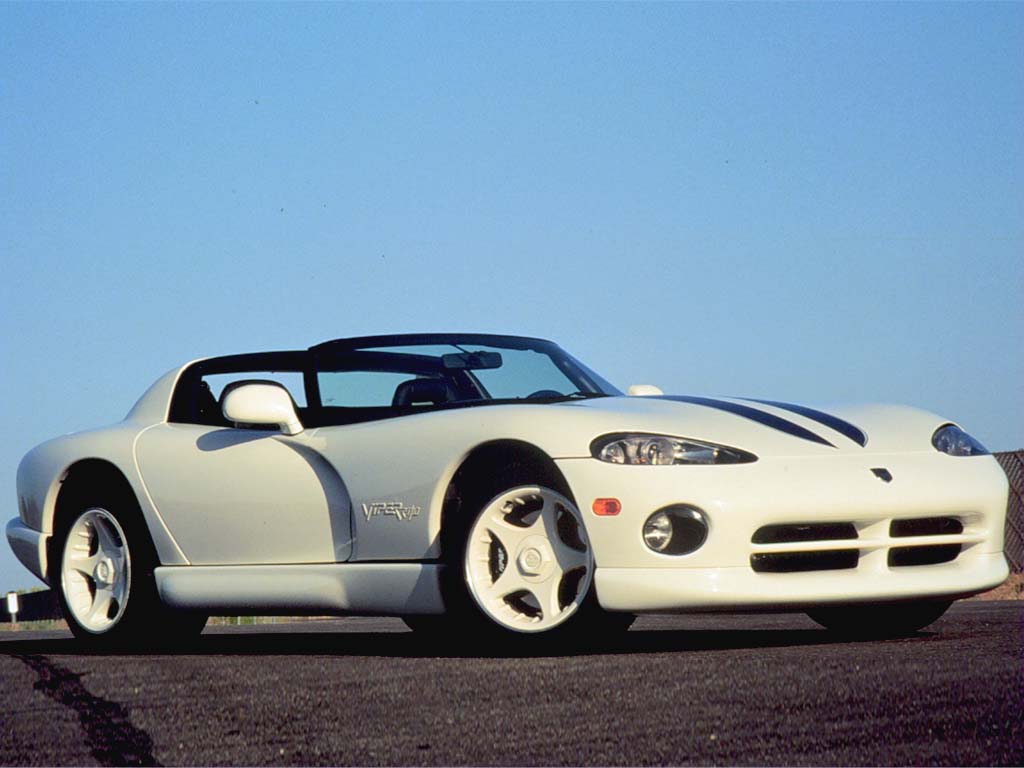
Dodge realized they needed to make the Viper slightly less homicidal to sell more than a handful. Glass windows became standard, along with a proper hardtop and even air conditioning on the GTS coupe variant.
The RT/10 roadster remained the raw option, while the GTS coupe added creature comforts. Both got the same 450-hp V10 from 1997 onward. Watch for frame reinforcement bulletins on 1996-1999 models and be aware that power steering pulleys can literally explode since they're made of plastic.
Expect to pay around $40,000 for a decent roadster or $60,000+ for a GTS coupe. The ultra-rare 1998 GTS GT2 Championship Edition commands six figures for good reason.
Third Generation (2003-2006): More Power, More Comfort
The SRT-10 brought 500 horsepower from an 8.3-liter V10 and actually looked like a modern car. Dodge finally added a real convertible top and improved the interior, though "improved" is relative when you can still cook eggs on the rocker panels.
Despite the refinements, Car and Driver described it as feeling "like a Trans-Am car on Michigan Avenue," so don't expect luxury sedan manners. These seem more reliable than earlier generations, with some owners reporting 100,000+ trouble-free miles.
Prices range from mid-$40,000s for convertibles to high-$50,000s for 2006 coupes. The track-focused ACR variant will cost around $70,000.
20200226165336)
Fourth Generation (2008-2010): The Sweet Spot
After skipping 2007, Dodge came back swinging with 600 horsepower and the excellent Tremec TR-6060 transmission. The extra power came from better heads, variable valve timing, and a higher redline.
The 2008-2010 ACR became a legitimate track weapon with over 1,000 pounds of downforce at 150 mph and 1.5+ lateral G capability. These are the Vipers that dominated racetracks and set lap records.
Roadsters start in the mid-$50,000s, coupes around $67,000, and ACRs command $90,000 to six figures. Fewer were made, so finding good examples takes patience.

Fifth Generation (2013-2017): The Final Act
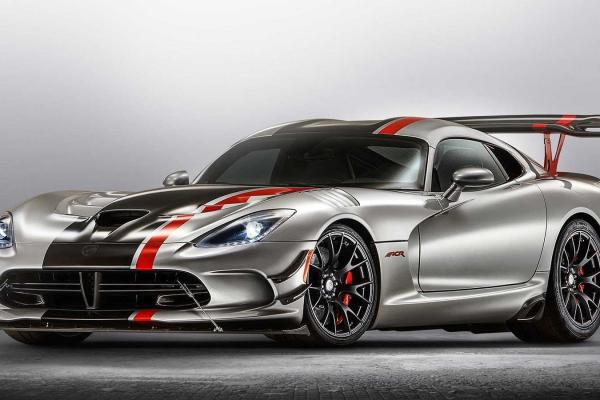
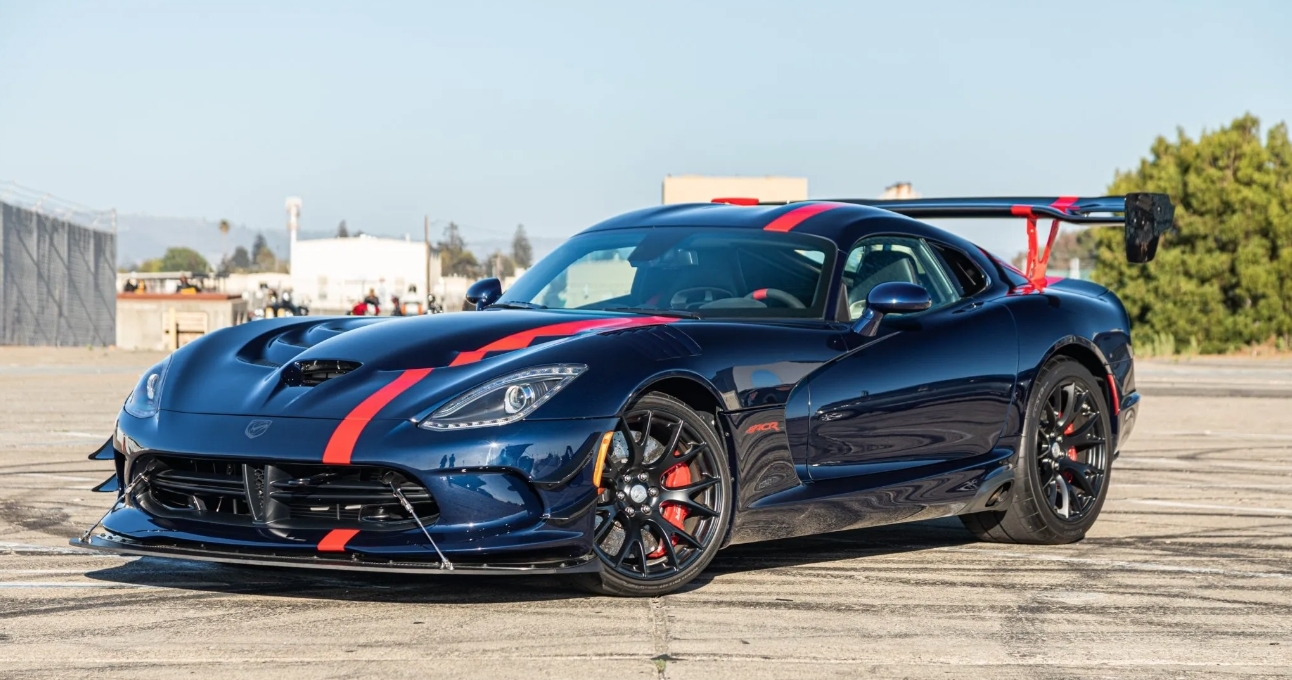
The last Viper pushed 640 horsepower from an 8.4-liter V10 and finally added modern stability control. Only available as a coupe, it was the most sophisticated Viper ever built but also the least successful commercially.
Production ended in 2017 due to poor sales and safety regulations requiring side curtain airbags. The final ACR variants set multiple lap records, including an unofficial 7:01.67 at the Nürburgring.
These are the most expensive Vipers, rarely selling for under $100,000. ACR models often command over $250,000 and have doubled in price since 2020.
The Bottom Line
None of these cars will appreciate like a Ferrari, but they offer something money can't buy anymore – an unfiltered, unapologetic American supercar experience. Choose based on your tolerance for discomfort and your bank account, but know that any Viper will deliver thrills that modern cars simply can't match.