Decoding License Plates: More Than Just Random Characters
by AutoExpert | 27 June, 2025
Here's something most people never really think about until they're stuck in traffic: why do some license plates have different numbers of letters and numbers? Turns out, it's not just whoever was working at the DMV that day making stuff up.
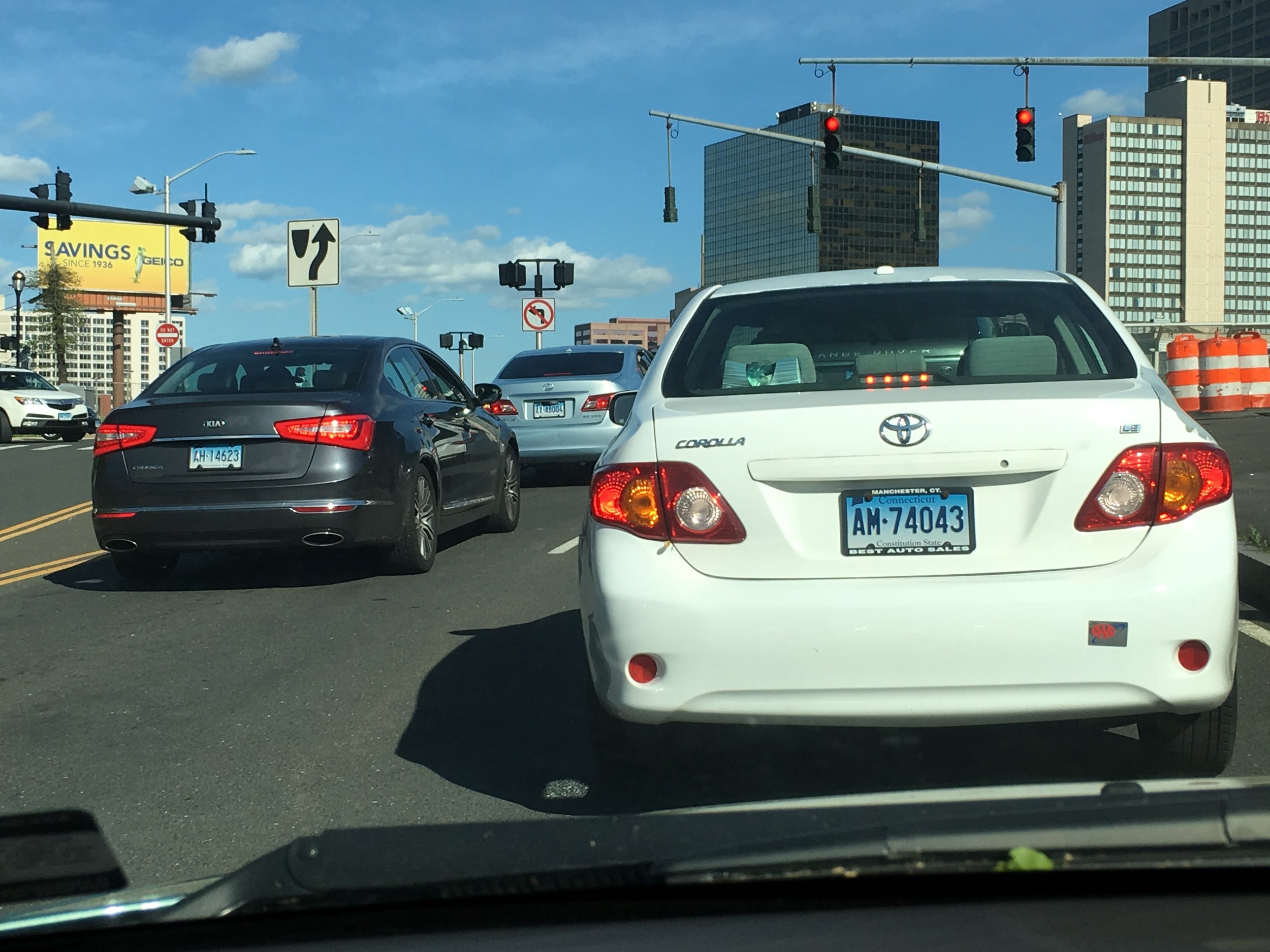
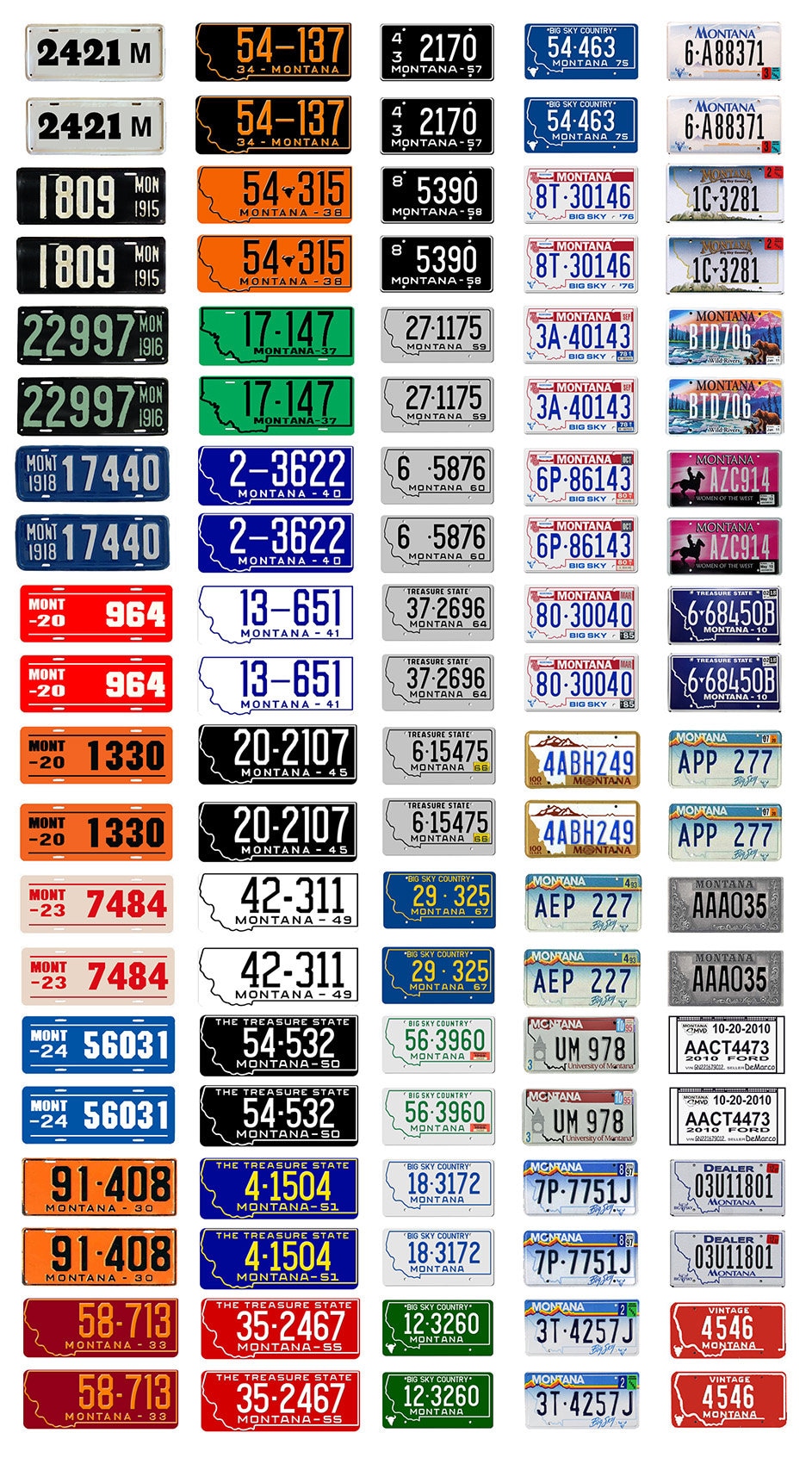
Most license plates stick to six or seven characters total, but every state does their own thing. It's like how every family has their own weird traditions – except with metal rectangles on cars.
The Plate Hierarchy
Regular passenger cars get the standard treatment – usually that six or seven character combo everyone's used to seeing. But then things get interesting. Commercial trucks, government vehicles, and those fancy specialty plates? They're playing by completely different rules.
And don't get started on vanity plates. That's where people drop extra cash to put "DOGMOM" or "LVTORUN" on their car. States have to approve these, which probably makes for some entertaining office conversations at the DMV.
There's Actually Logic Behind Those Random Letters
Believe it or not, those character combinations aren't just pulled out of thin air. Many states use the first part to show which county issued the plate. Idaho keeps it simple – they go alphabetically. Ada County gets "1A," Valley County just gets "V" because they're the only ones starting with V. Makes sense, right?
Nebraska went a totally different route. They based everything on their 1920 census numbers. So the most crowded county back then got "1" and the emptiest got stuck with "93." It's like they froze a moment in history on every license plate.
The rest of the characters? That's basically just counting. The DMV issues plates in order, so newer registrations get higher numbers. Simple as that.
Every State Does Its Own Thing
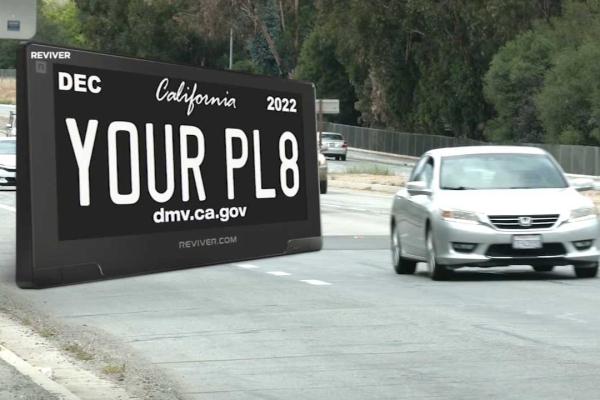
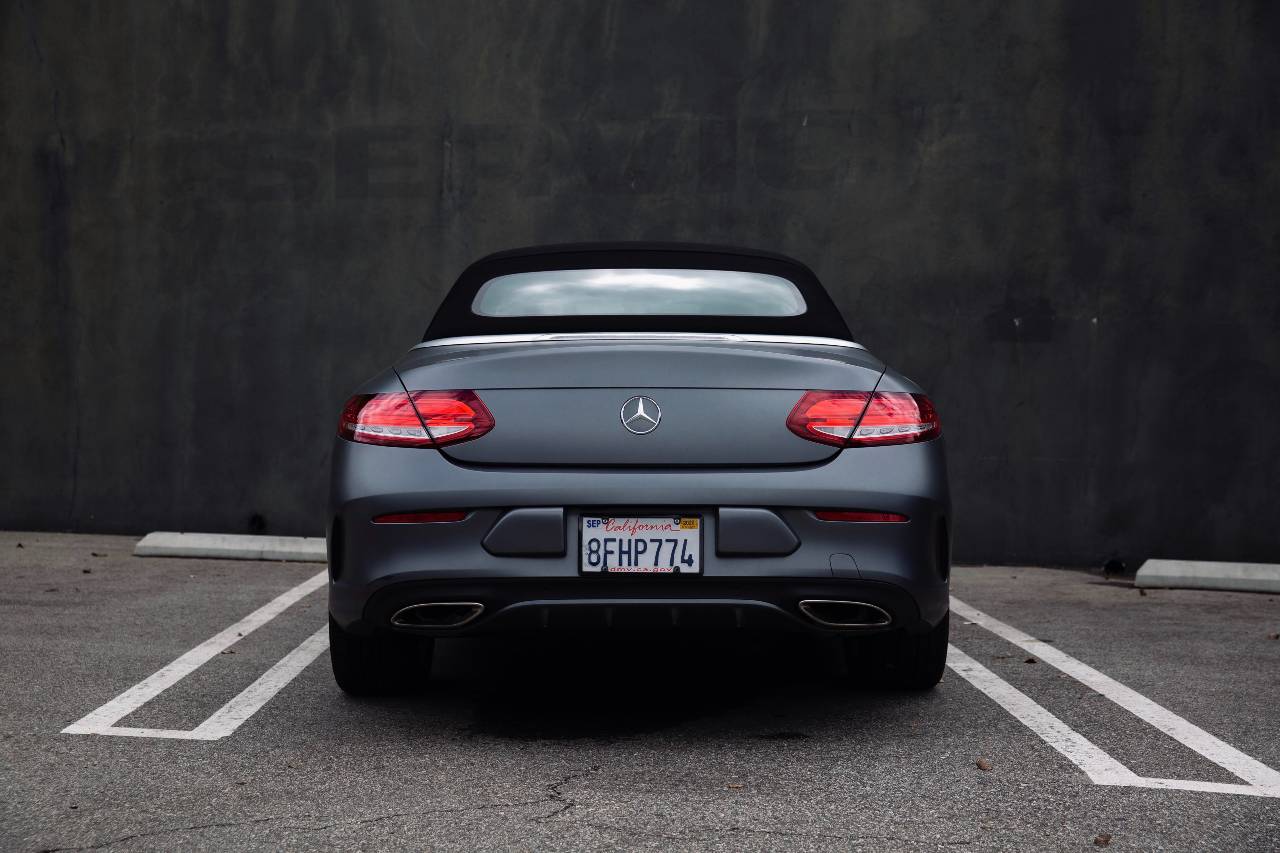
California likes their "1ABC123" format – one number, three letters, three more numbers. Texas throws in a dash with "AA1-A123." Delaware said forget the letters entirely and just uses six numbers straight across.
It really comes down to how many cars each state needs to handle. Delaware can get away with simple numbering because they're not exactly drowning in vehicles. California? They need every possible combination they can get.
More Than Just Car IDs
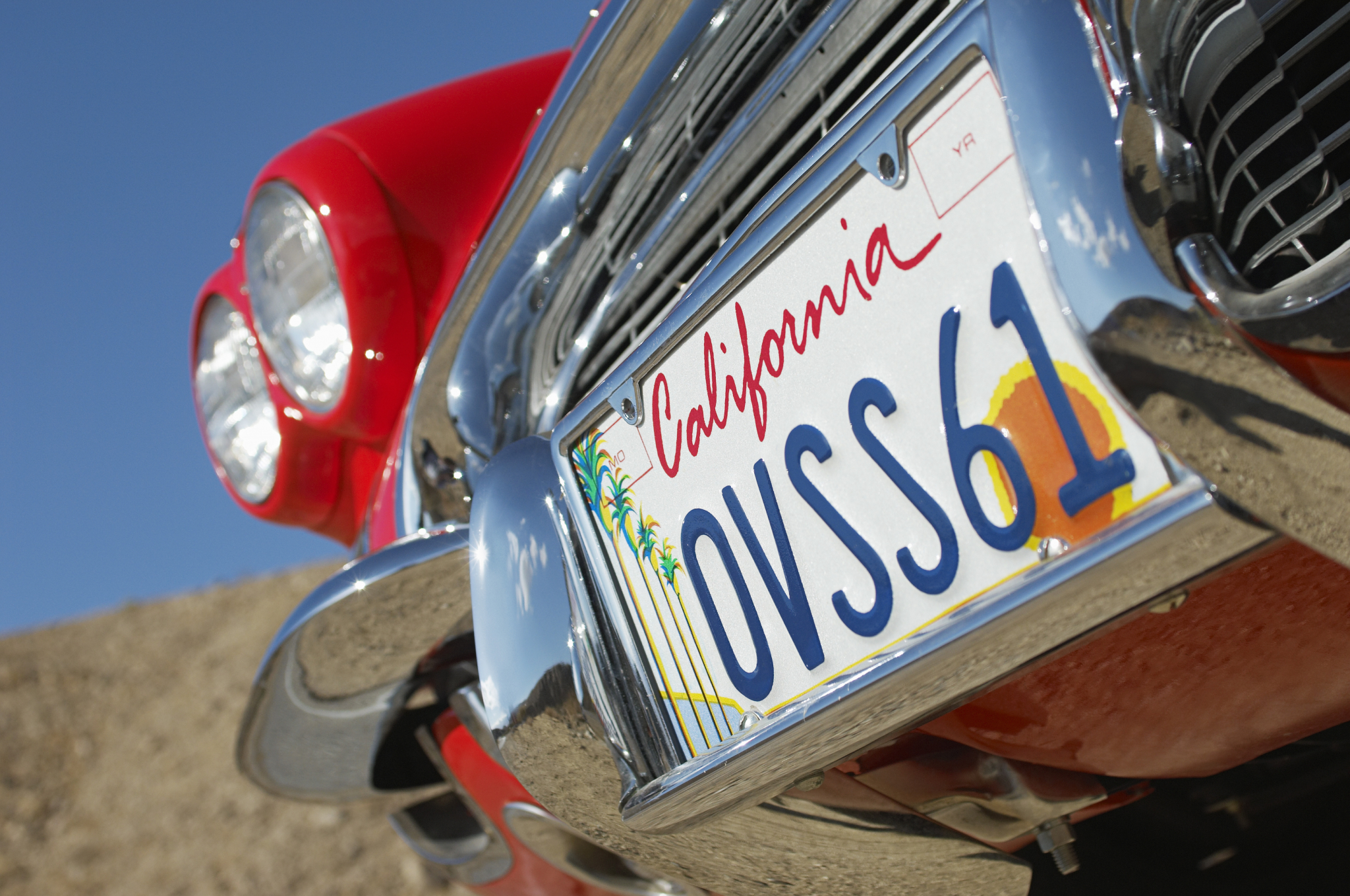
Here's where it gets actually useful – those plates connect to databases full of vehicle info. Buying a used car? That license plate can tell the whole story: previous accidents, how many owners it's had, whether it's been in floods, all that stuff.
So those random-looking letter and number combos aren't so random after all. Each one connects to a whole digital file about that specific vehicle. Pretty wild when you think about it – every car rolling down the highway has its own unique ID that tells its entire life story.