China's EV Revolution: Why Western Automakers Are Playing Catch-Up
by AutoExpert | 25 July, 2025
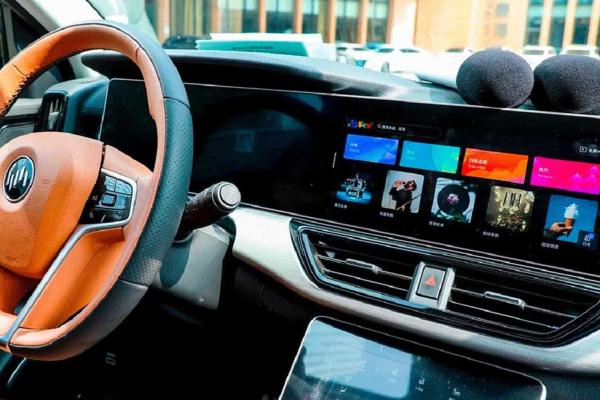
Apparently, people really, really want to sing in their cars. Like, enough that Chinese automakers are building entire karaoke systems into their electric vehicles, and European car companies are scrambling to figure out why they didn't think of that first.
Volkswagen's CFO basically admitted they got caught completely off guard. "Nobody in Wolfsburg thinks you need karaoke in the car," he said recently. "But you do need it." Ouch.

How China Went from Zero to Hero
Just a decade ago, Chinese cars were basically a punchline in Europe - cheap knockoffs with questionable build quality. Meanwhile, the big players from Germany, Japan, and South Korea dominated everything. Then electric vehicles happened, and suddenly the game completely changed.
Chinese brands now grab over 10% of European EV sales in some months, and their home market is absolutely massive - 12.8 million battery and hybrid cars sold in China in 2024 alone. That's more than all of Europe combined.
The real wake-up call came at the 2023 Shanghai motor show. After years of pandemic isolation, Chinese automakers emerged with technology that left everyone else's jaws on the floor. "It was kind of a shock," admitted Bentley's boss.

The Future Is Happening in China
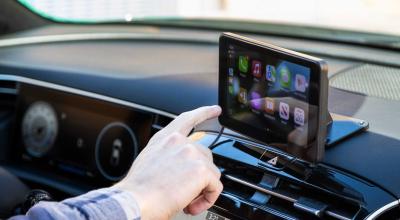
While Western automakers were still figuring out basic electric powertrains, Chinese companies were building cars that feel more like smartphones on wheels. Think massage seats, retractable movie screens, and AI chips that handle the actual driving - all for half the price of comparable Western luxury cars.
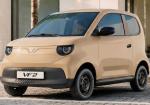
BYD's little Seagull costs about £6,000 in China and comes with autonomous tech they're calling "God's Eye." Meanwhile, European competitors are still trying to justify why their basic models cost three times as much.
The numbers are brutal: Chinese carmakers can develop new cars at 27% of what it costs European rivals, according to consulting firm Bain & Company. No wonder the global market share of traditional powerhouses in Detroit, Germany, and Japan has dropped from 74% to 60% in just five years.
Europe Fights Back (Sort Of)
European automakers aren't going down without a fight, but their strategy seems to be "if you can't beat 'em, join 'em." Volkswagen invested in Chinese company Xpeng. Stellantis is selling Leapmotor cars in Europe. Even supposedly Swedish brands like Volvo and Polestar are really just running on Chinese tech now.
Renault managed to create some buzz with their retro-styled Renault 5 electric car for £23,000, proving Europeans can still build affordable EVs when they really try. But even Renault is cutting development time by partnering with unnamed Chinese companies.
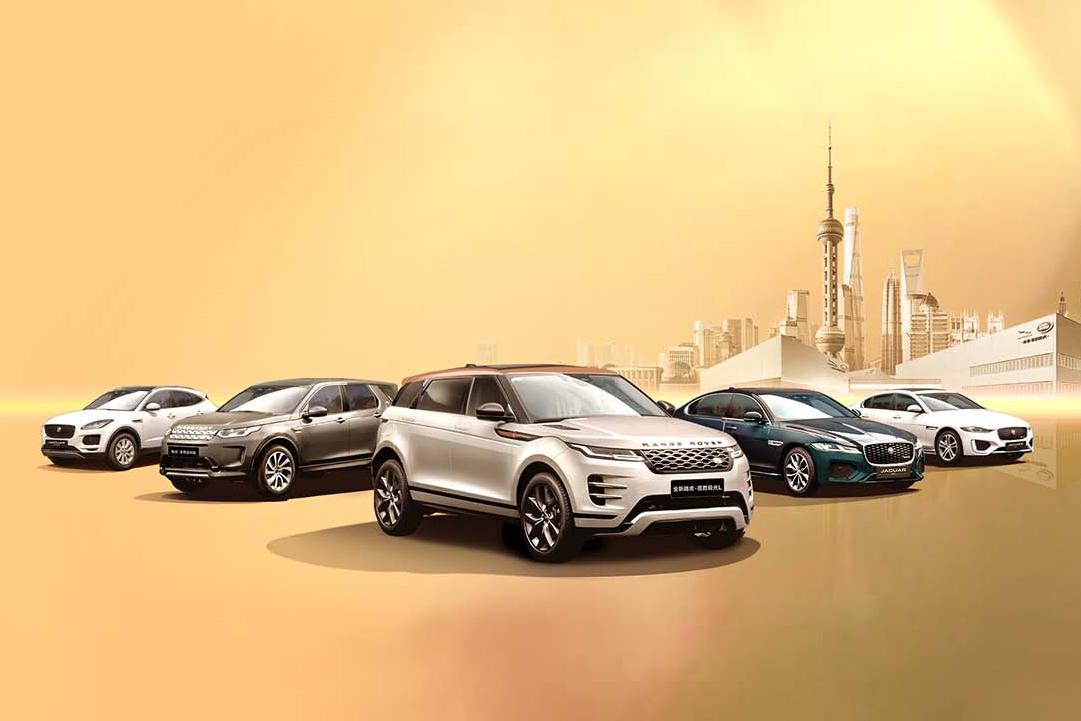
The UK's Jaguar Land Rover is working with Chinese firm Chery to revive the old Freelander brand with cheaper vehicles. Nissan is considering building Chinese cars in their English factory just to keep the lights on.
The Reality Check
Here's the thing about trying to avoid Chinese technology - it's basically impossible now. Most batteries come from China anyway, and European battery champion Northvolt just collapsed. Meanwhile, Chinese battery makers are announcing charging speeds that sound like science fiction - 250-300 miles of range added in five minutes.
European executives are putting on a brave face, insisting the game isn't over yet. They point to established dealer networks and customer loyalty as advantages. "European buyers are very conservative, very loyal to their car brands," says one industry analyst.
But even they admit Chinese companies are "better at risk taking, quicker, working harder" when it comes to embracing new tech.
The Bottom Line
The automotive world is getting flipped upside down, and it's happening faster than anyone expected. Cars with karaoke systems might sound ridiculous to traditional automakers, but when those same cars cost half as much and drive themselves while passengers sing along to their favorite songs, suddenly it doesn't seem so crazy.
European and American car companies better figure out their next move quickly, because Chinese automakers aren't slowing down anytime soon.