Carbon-Ceramic Brakes in Winter: Performance vs. High-Cost Reality
by AutoExpert | 19 December, 2025
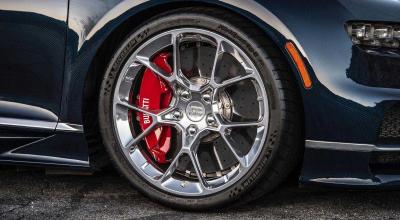
Carbon-ceramic brakes have a great reputation. They’re lighter, handle crazy heat, and usually show up on expensive performance cars. Compared to regular iron brakes, they can cut a lot of weight, which helps handling and feels great on a twisty road or a track day.
But winter? That’s where things get awkward.
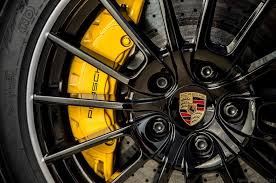
When it’s cold outside, carbon-ceramic brakes just aren’t in the mood yet. They need heat to work properly, and until they get it, they can feel weird. The pedal might feel rough, the brakes might make some ugly noises, and the stopping power isn’t as sharp as you’d expect. Nothing’s broken — they’re just cold. After a few stops, once some heat builds up, they behave normally again.
That warm-up delay is what throws people off, especially if they drive in colder parts of the U.S. Iron brakes don’t really care about temperature. Carbon-ceramics definitely do.
Cold weather also isn’t their only drawback.
They’re expensive. Really expensive. On cars like the Cadillac CT5-V Blackwing, carbon-ceramic brakes come bundled into a performance package that adds nearly $20,000 to the price. BMW charges about $8,500 for them on the M5. Yes, they can last longer than iron brakes — but replacing them hurts.
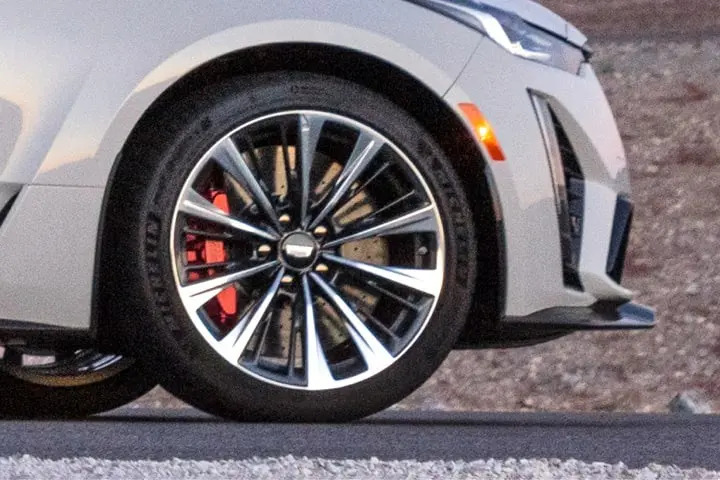
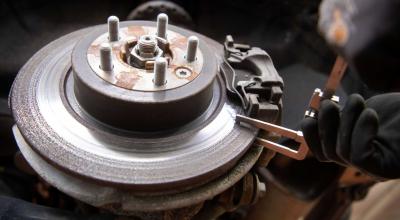
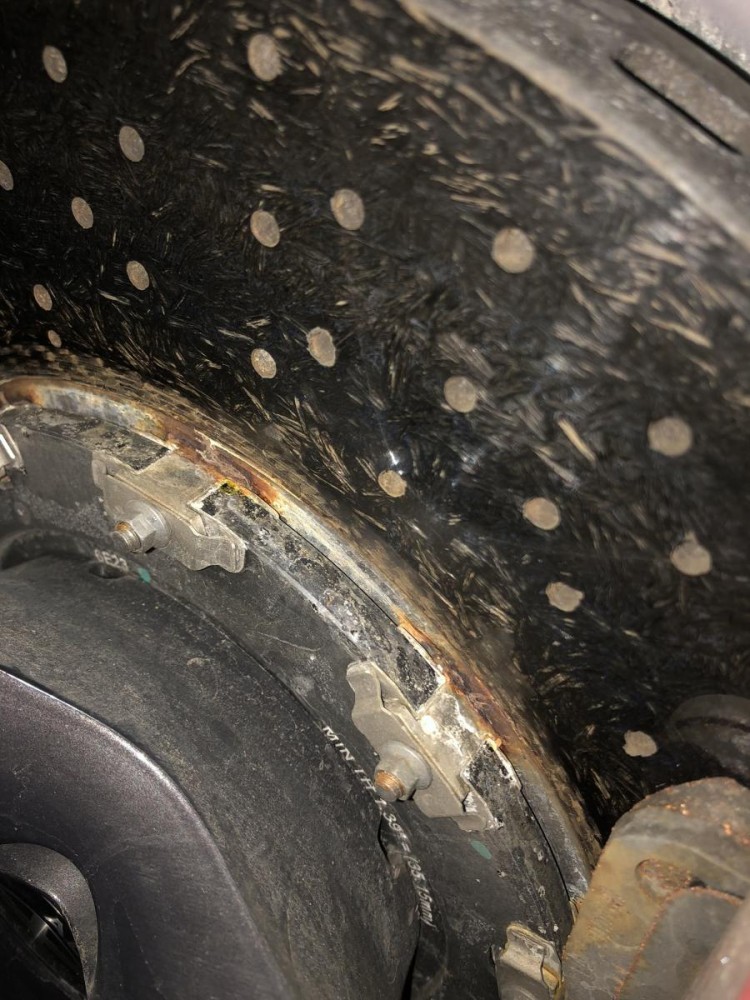
They’re also more delicate than you’d expect. Carbon-ceramic rotors handle extreme heat just fine, but they don’t love hard impacts. A bad hit from road debris or a careless jack placement can crack one, and that turns into a painfully large repair bill very quickly.
So while carbon-ceramic brakes are amazing once they’re warm and doing their thing, they’re not always ideal for everyday driving — especially if winter is part of the deal.