Car Pillars Explained: More Than Just Blind Spots
by AutoExpert | 26 June, 2025
So apparently those chunky metal things blocking half the view out of car windows have actual names. They're called pillars, and car nerds get weirdly specific about them. Turns out they're not just there to make parking harder—they're actually preventing everyone from getting squished like a bug.
The Whole A-B-C Thing
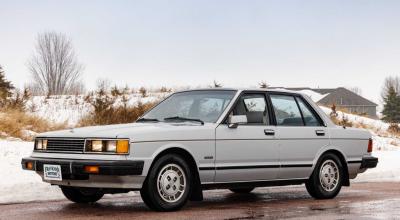
Car companies name these things like they're teaching kindergarten—A, B, C, D from front to back. Most cars have three, but minivans and those massive SUVs that take up two parking spaces sometimes get four because apparently hauling around soccer teams requires extra roof support.
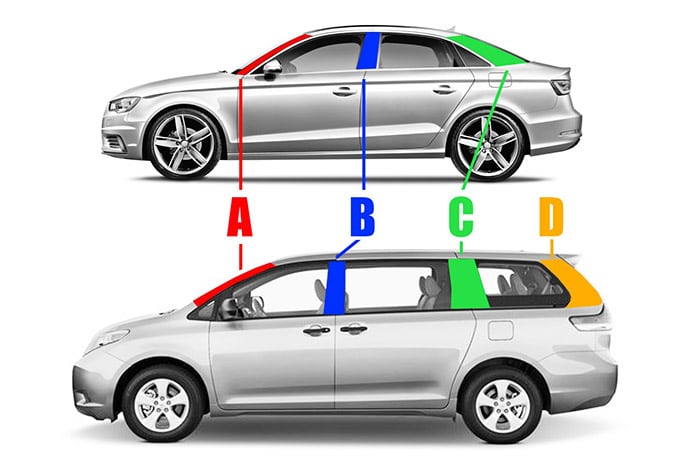
- A-Pillars: The thick ones next to the windshield that hide every pedestrian trying to cross the street. They're on every car because without them, windshields would just pop out during accidents like contact lenses. Also where door hinges live, plus all those beeping sensors that supposedly prevent crashes but mostly just beep at shopping carts.
- B-Pillars: The middle ones where seatbelts attach. These are like the car's bodyguards—when someone slams into the side, B-pillars are supposed to take the hit instead of letting doors cave in on passengers. Some fancy coupes skip these entirely because they look sleeker, which is great until physics gets involved.

- C-Pillars: Behind the back doors, keeping the rear roof from sagging. They frame the back window, which is why hatchbacks look different from regular cars—different pillar, different shape.
- D-Pillars: Only show up on really long vehicles. They're way in the back making sure extended roofs don't start bending like overcooked spaghetti.
Why Cars Don't Just Skip These
Imagine a convertible with the top permanently up but no frame—that's basically what a car without pillars would be. Sure, the view would be amazing right up until the first speed bump when the whole roof starts wobbling around.
A-pillars keep windshields from flying off during head-on crashes. B-pillars are crash test dummy heroes, absorbing side impacts that would otherwise turn passengers into accordion players. C-pillars hold up the back end, and D-pillars make sure long cars don't fold in half like taco shells.
The Catch Nobody Mentions
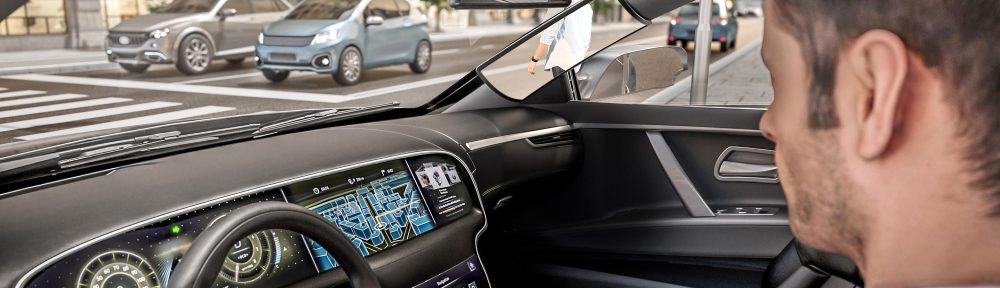
Thick pillars save lives but also hide everything important—like that motorcycle about to lane-change into the same spot, or the kid chasing a ball into the street, or basically anything smaller than a school bus.
Sports cars sometimes get thinner pillars because race car drivers need to see stuff, but that's basically gambling with safety for better visibility. Family haulers go thick because protecting little Timmy matters more than seeing that Honda Civic perfectly.
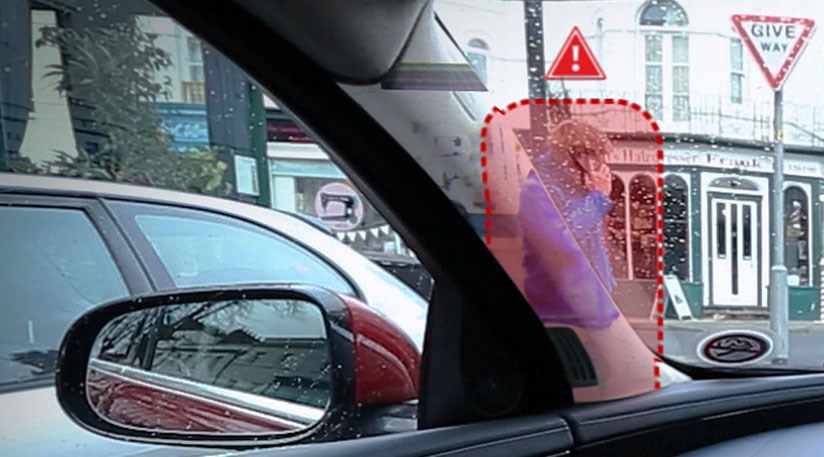
Some car companies try getting creative with weird shapes or tiny windows in the pillars, but it's still the same basic math: more metal protection means less ability to see what's coming. Physics doesn't negotiate.
The best pillars are the ones nobody thinks about. They just sit there doing their job—holding up roofs, protecting people, and occasionally hiding that delivery truck that's about to change lanes without looking.